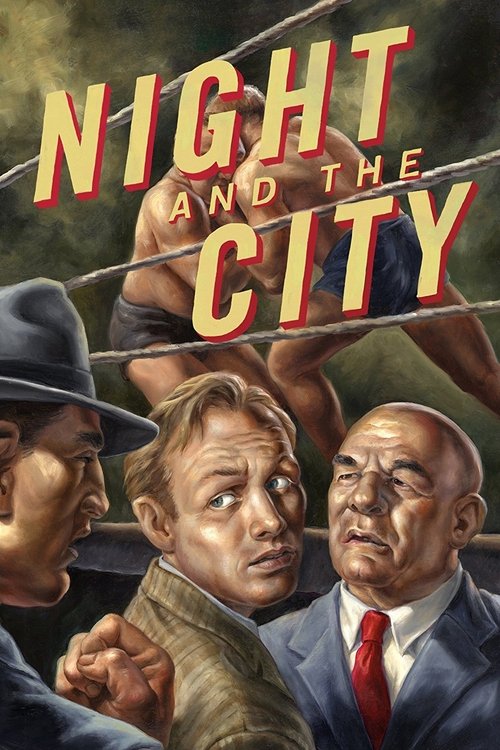
Night and the City
1950
No user ratings available yet
Representation score: 2.2 out of 10
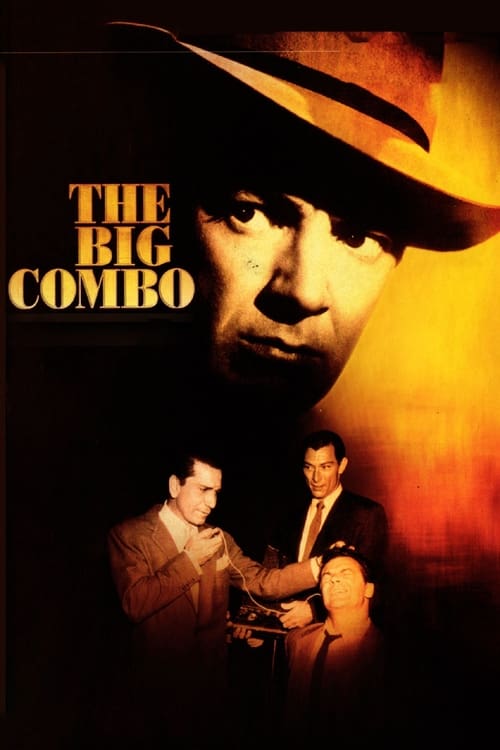
Representation Score
Minimal
1955
NRDirector
Joseph H. Lewis
Runtime
88 minutes
Average Rating
No ratings yetNew Showbiz Analysis
The Big Combo is a classic mid-century noir that emphasizes visual style over narrative innovation. It adheres to the conventional structures of the crime genre without attempting to challenge systemic norms. While the film offers a departure from the era’s typical casting by featuring a powerful Latin American antagonist, it remains tied to the criminal underworld clichés. The narrative focuses on restoring social order through legal enforcement, reflecting a conservative, period-accurate framework.
Category Breakdown
The film follows traditional assumptions where everyone is assumed to be straight or cisgender. There are no depictions of same-sex relationships or non-binary identities.
The female lead has a significant role as a professional nightclub singer. However, she remains a focal point of romantic interest between male characters.
The film features a Latin American antagonist, which breaks the usual pattern of homogeneous casting. This role stands out as a departure from typical casting practices.
The narrative upholds traditional institutions without critiquing Western systems or showing anti-capitalist sentiments. It emphasizes the restoration of social order through legal means.
There are no significant portrayals of physical or neurodivergent disabilities in the film.
Present on Screen
Limited or Absent
Official Synopsis
Police Lt. Leonard Diamond vies to bring a clever, well connected, and sadistic gangster to justice all the while obsessing over the gangster's girlfriend.
1950
1950
1953
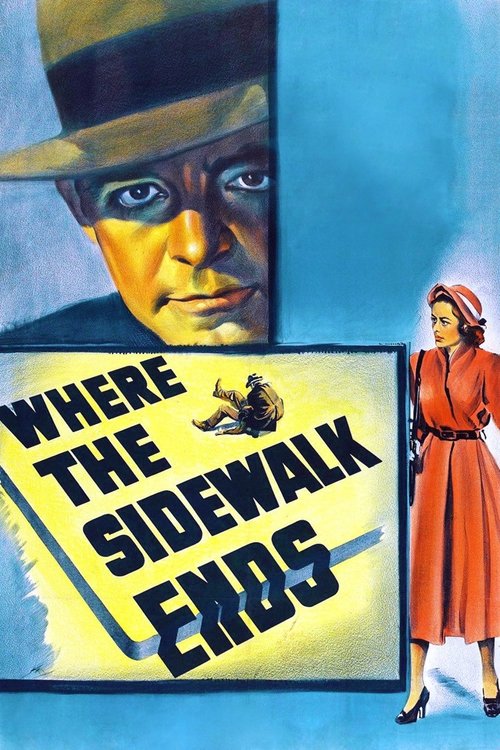
1950
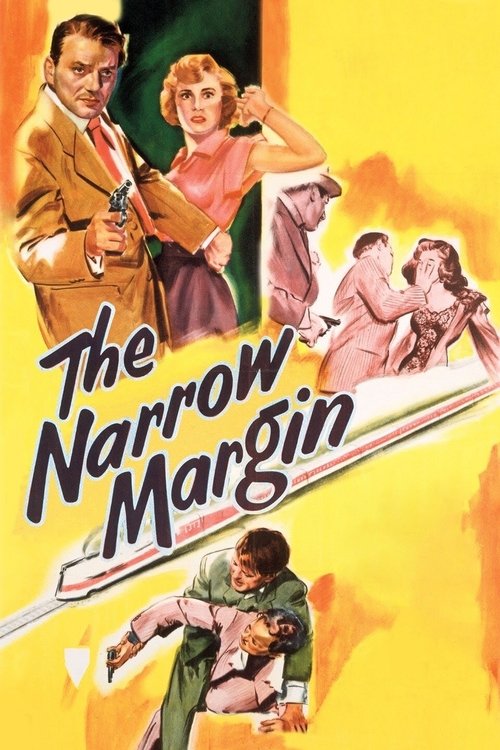
1952

1953

1954
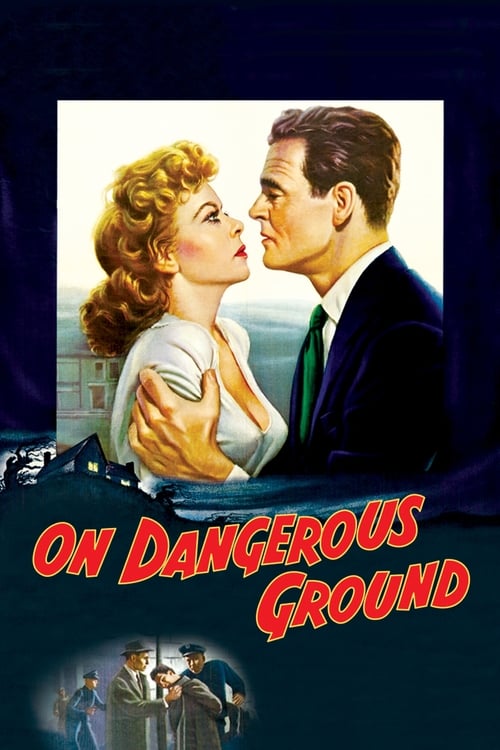
1951
No reviews yet. Be the first to share your thoughts on this movie!
Use the rating form above to leave a star rating and optional review.