A Father's Honor
1905
No user ratings available yet
Representation score: 0.5 out of 10
Representation Score
Limited
1904
Director
Ferdinand Zecca
Runtime
5 minutes
Average Rating
No ratings yetNew Showbiz Analysis
The film centers on class struggle and gendered roles rather than modern diversity markers. While it lacks representation for LGBTQ+ and disabled communities, it offers a powerful look at systemic power through its female lead. The narrative's strength lies in its challenge to traditional authority figures. By focusing on a woman's response to industrial oppression, the film questions the rigid social hierarchies of its time. However, the work is limited by the demographic homogeneity typical of early 20th-century French cinema. The absence of racial and sexual diversity reflects the historical context of its production.
Category Breakdown
The film does not include any LGBTQ+ characters or non-cisgender identities. The story focuses solely on class conflict and family revenge.
A female protagonist leads the charge for justice, challenging patriarchal authority. Her acquittal defies traditional gender roles and highlights her significant role in driving the story.
The film reflects the homogeneous society of 1904 France. There is no indication of non-white actors or diverse racial dynamics in the narrative.
The story critiques capitalism and industrial hierarchy. It emphasizes personal morality over strict property laws, showing the tension between labor and capital.
There is no evidence of characters with visible or invisible disabilities in this work.
Present on Screen
Limited or Absent
Official Synopsis
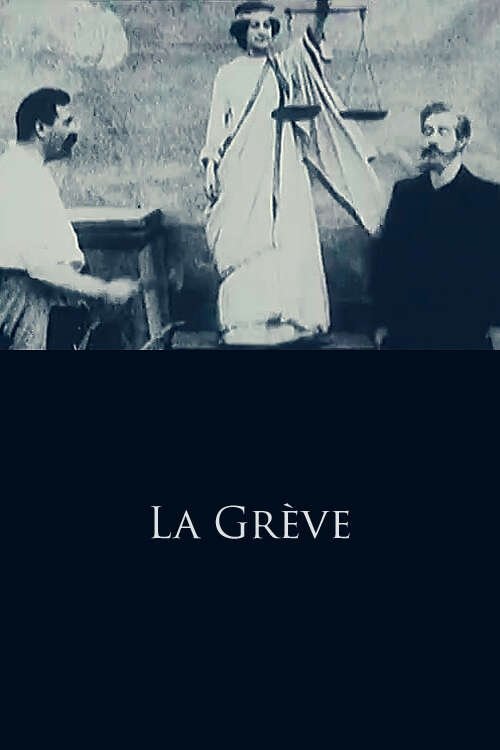
During a strike, several workers are killed in a confrontation. The wife of one of them kills the factory owner. At her trial, the owner's son asks for mercy, knowing that his father was wrong. Because of that the wife is freed.
1905

1925
1905
1990
1970
1909
1933
1909
No reviews yet. Be the first to share your thoughts on this movie!
Use the rating form above to leave a star rating and optional review.