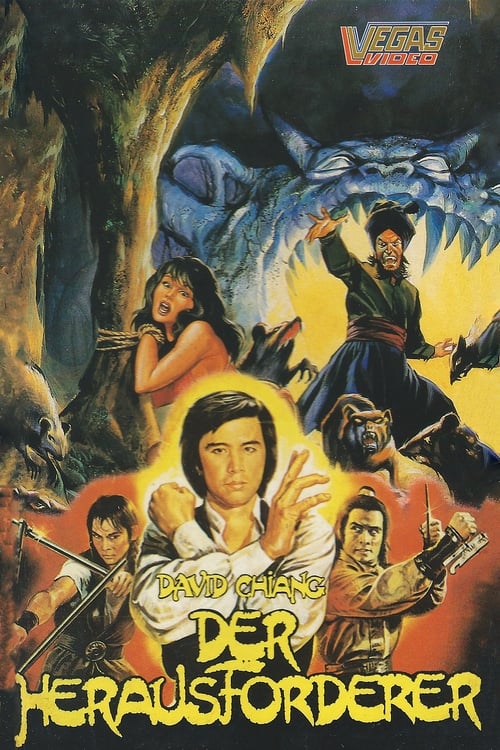
The Challenger
1979
No user ratings available yet
Diversity score: 3.8 out of 10

1974
NRDirector
Norman Foster, William Beaudine, E. Darrell Hallenbeck
Runtime
90 minutes
Average Rating
No ratings yetSynopsis
After the superstardom and early death of Bruce Lee, 20th Century Fox decided to cobble together a couple of theatrical feature films from this property, of which this 1974 effort is the first. The bulk of the film consists of four episodes crudely spliced together. Scattered throughout are bizarrely irrelevant fight scenes from other episodes, which make the already disjointed plotting quite surreal. The television image was cropped to make a widescreen film, which means the tops of heads and hats are lopped off the frame with alarming regularity.
Overall Score
Limited
Category Breakdown
LGBTQ+ Representation
The film reflects the heteronormative standards of its era. There are no discernible LGBTQ+ characters or narratives that critique traditional gender identities.
Gender Representation
The narrative relies on conventional gender hierarchies typical of episodic action-comedy. It lacks the elevation of female intellect or the subversion of traditional masculinity.
Racial & Ethnic Diversity
A non-white protagonist provides a baseline for racial representation. However, the fragmented assembly makes it difficult to verify the depth of character agency for people of color.
Religious & Cultural Diversity
The story follows classic pulp heroism rather than critiquing Western institutions. It lacks any significant engagement with moral relativism or anti-authoritarian themes.
Disability Representation
The production focuses strictly on action and episodic comedy. There is no evidence of characters with visible or invisible disabilities.
Strengths
Areas for Improvement
AI Analysis
The film is a disjointed assembly of television episodes rather than a cohesive cinematic work. While it offers a baseline of racial diversity through its central casting, the production lacks the narrative depth to explore complex identities. Because the film was crudely spliced together from existing television footage, it functions more as a commercial product than a deliberate piece of social commentary. It adheres to the standard genre tropes of the mid-20th century without attempting to subvert systemic hierarchies. Ultimately, the work is defined by its technical fragmentation. It fails to engage with intersectional themes, resulting in a representation that feels more like a genre staple than a meaningful exploration of culture.
1979
1978
1979
1973

2011

1992

1977
1974
1979
2002
1966
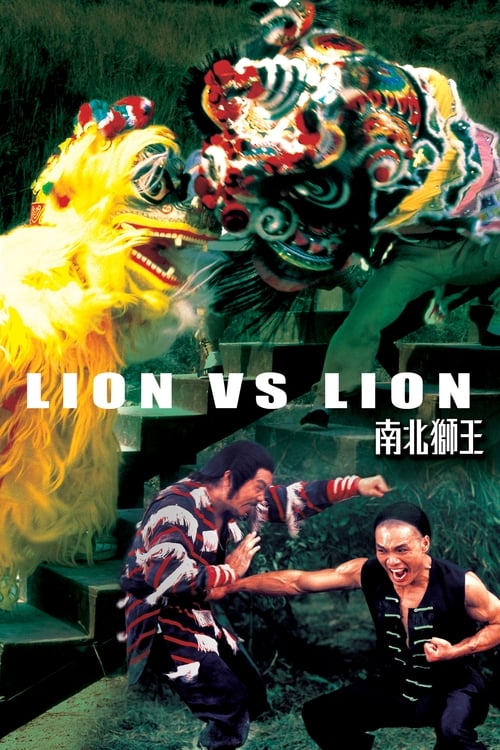
1981
No reviews yet. Be the first to share your thoughts on this movie!
Use the rating form above to leave a star rating and optional review.