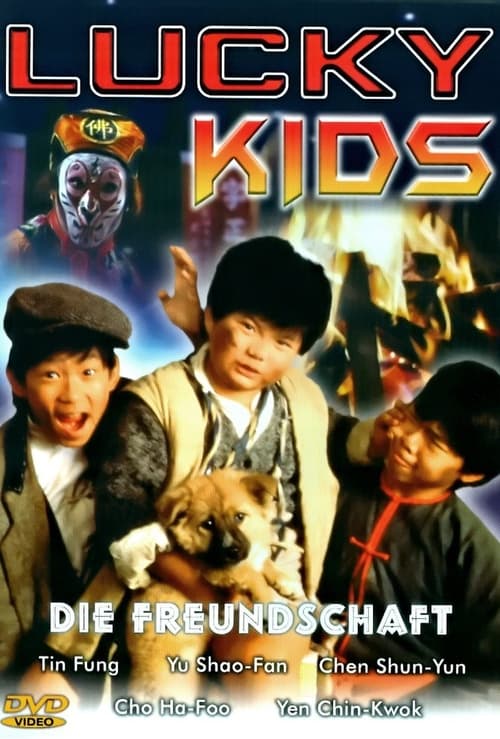
The Kung Fu Kids III
1987
No user ratings available yet
Diversity score: 4.4 out of 10
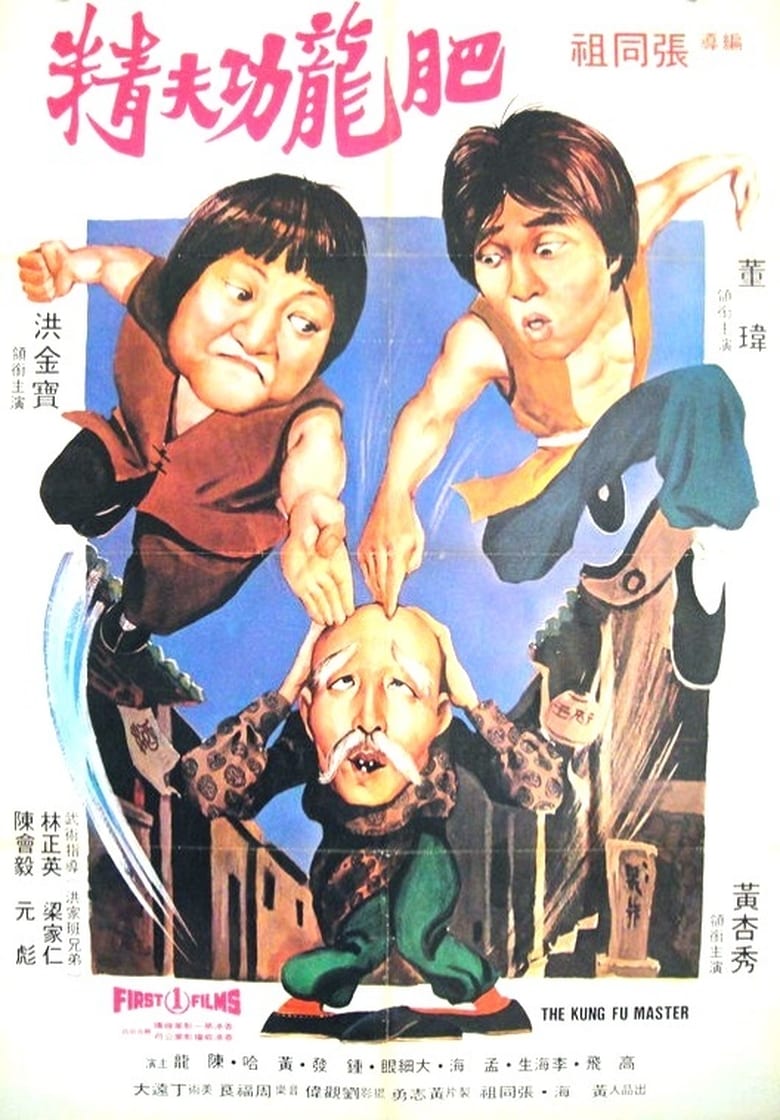
1979
Director
Joe Cheung Tung-Cho
Runtime
89 minutes
Average Rating
No ratings yetSynopsis
Tung Wei (18 Fatal Strikes Enter The Dragon) is a lad who wants to learn kung fu. He trains in two different styles: Hung Gar and Wing Chun. Everything is fine until a jealous master creates a rift between Tung's two teachers, and he has to choose sides. But a bigger problem looms ahead. The Tiger Master, played by Philip Ko (Dragon On Fire, Fearless Dragons), wants to fight both men to the death. They're no match for him, so Tung goes to the one man who can train him properly: Sammo Hung
Overall Score
Limited
Category Breakdown
LGBTQ+ Representation
The film lacks any evidence of non-cisnormative identities or narratives that challenge heteronormativity. It adheres to the standard social structures typical of 1970s martial arts cinema.
Gender Representation
The story centers on a male protagonist and male mentors, reinforcing traditional masculine leadership. There is no indication of subverting gender hierarchies or portraying masculinity in a non-traditional way.
Racial & Ethnic Diversity
The cast is culturally homogeneous, reflecting its Hong Kong production origins. While it offers a non-Western perspective, it does not use race as a tool for systemic critique.
Religious & Cultural Diversity
The narrative prioritizes traditional values like discipline and mentorship within a martial arts framework. It follows a conventional heroic arc centered on ethics and skill pursuit.
Disability Representation
There is no mention of characters with visible or invisible disabilities. The plot does not appear to utilize disability as a narrative device.
Strengths
Areas for Improvement
AI Analysis
The film is a product of its era, functioning strictly within the established conventions of 1970s Hong Kong action-comedy. Its narrative architecture prioritizes the master-student hierarchy and physical prowess over the exploration of intersectional identities. While the film provides a culturally specific, non-Western perspective, it remains socially conservative. The focus stays on individual merit and martial arts ethics rather than deconstructing social norms or addressing diverse social identities. Ultimately, the work serves as a genre piece that reinforces traditional masculine structures and cultural homogeneity rather than challenging them.
1987
1979
1996
1986
1979
2018
1977
1979
1978
1992
1979

1982
No reviews yet. Be the first to share your thoughts on this movie!
Use the rating form above to leave a star rating and optional review.