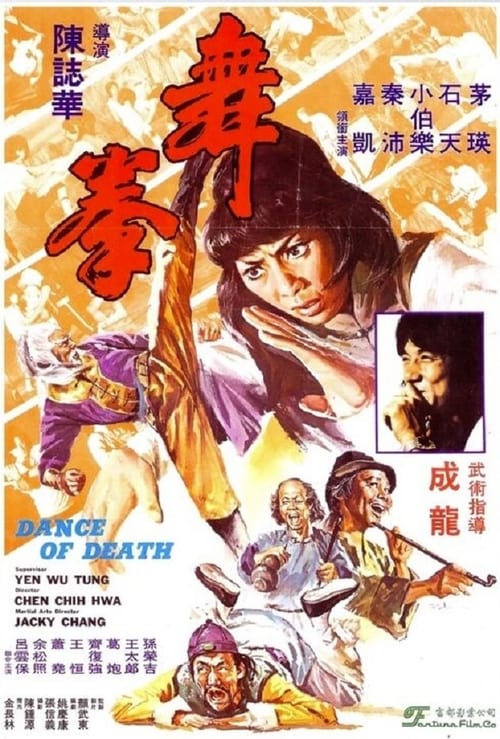
Dance of Death
1980
No user ratings available yet
Representation score: 4.5 out of 10
Representation Score
Limited
1977
RDirector
Chen Chi-Hwa
Runtime
90 minutes
Average Rating
No ratings yetNew Showbiz Analysis
The film is a typical 1970s martial arts action-comedy that provides a non-Western perspective by centering East Asian protagonists and cultural storytelling traditions. This offers a necessary departure from the Anglo-centric cinema of the era. However, the narrative remains deeply traditional, relying on patriarchal hierarchies and masculine archetypes. The social structures presented are conventional and lack multi-layered complexity. Ultimately, the film prioritizes genre clichés over social subversion. While culturally distinct, it operates within the established gender and social hierarchies common to its period.
Category Breakdown
There are no LGBTQ+ characters or narratives that challenge straight-centered structures in the film.
Male figures like the young protagonist and the kung-fu master have significant roles, while the film lacks female characters with substantial ability to act or subverted gender roles.
As a Hong Kong production, the film centers East Asian identities and provides a culturally specific narrative that deviates from Western-centric storytelling traditions.
The story uses classic martial arts clichés centered on honor and vengeance, functioning as a morality tale rather than a critique of systemic oppression.
The narrative does not include characters dealing with physical or neurodivergent disabilities.
Present on Screen
Limited or Absent
Official Synopsis
When a young man's village is destroyed by a band of thugs, he seeks help from a great kung-fu master, but his real lessons come from a drunk old man, he basically learns kung fu by accident and seeks his revenge.
1980
1978
1979
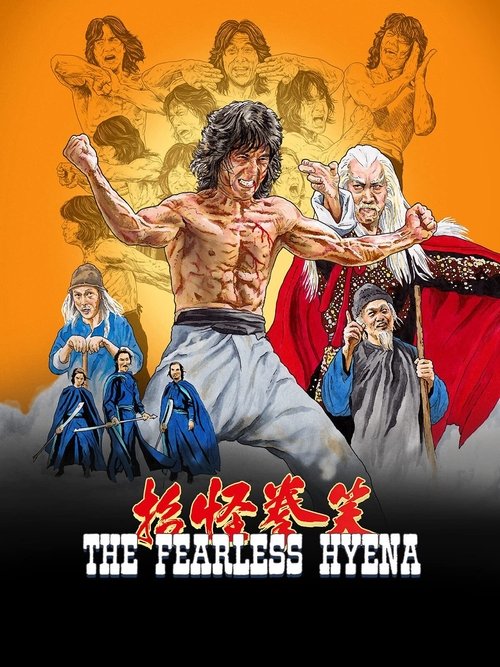
1979
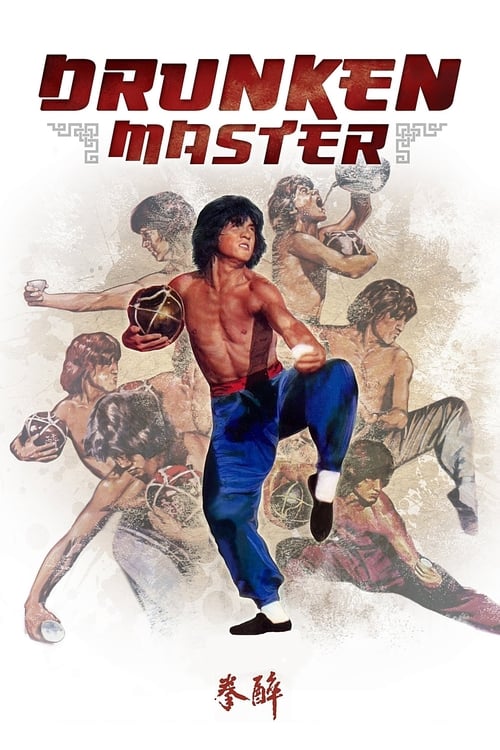
1978
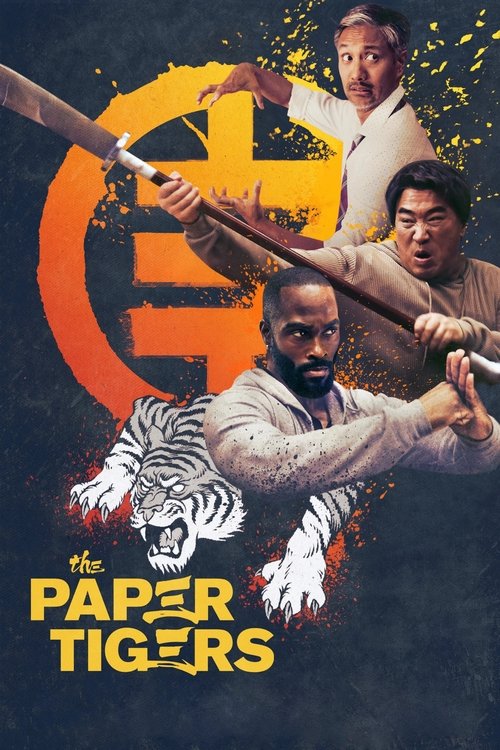
2020
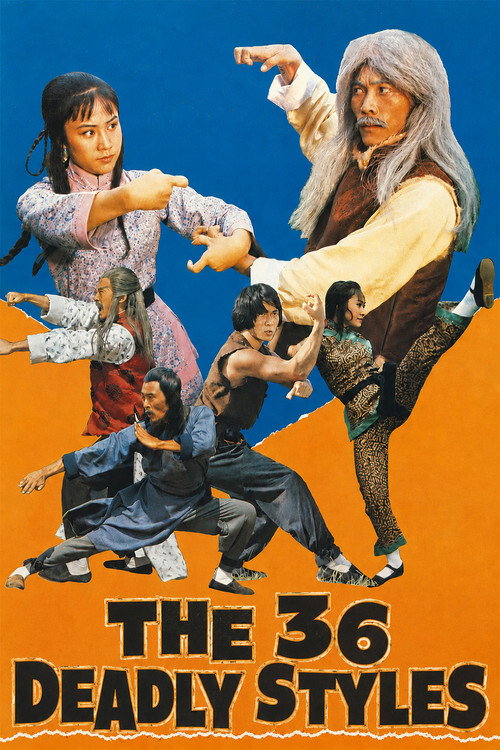
1979
1979
No reviews yet. Be the first to share your thoughts on this movie!
Use the rating form above to leave a star rating and optional review.