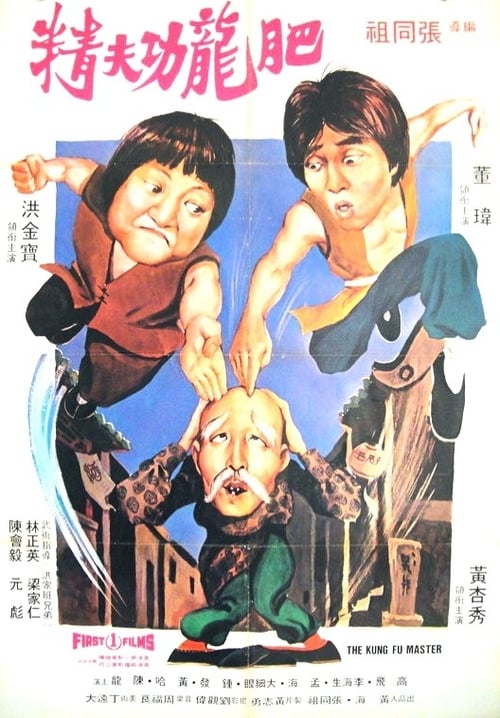
The Incredible Kung Fu Master
1979
No user ratings available yet
Representation score: 3.0 out of 10

Representation Score
Limited
1979
Director
Eric Tsang Chi-Wai
Runtime
87 minutes
Average Rating
No ratings yetNew Showbiz Analysis
The Challenger is a classic example of 1970s martial arts cinema, focusing on physical action and archetypal motivations rather than social complexity. Its narrative structure revolves around traditional revenge and greed themes, limiting the exploration of diverse identities. While the film provides a culturally consistent experience for the martial arts tradition, it lacks diversity in gender and LGBTQ+ representation. The focus remains strictly on male-centric combat and dominance. Ultimately, the film serves specific stylistic expectations of its era without challenging social hierarchies.
Category Breakdown
The film doesn't include any characters with non-binary genders or same-sex relationships. It follows typical conventions of 1970s action movies.
The story focuses on a male-dominated conflict between two male characters. Male fighters play key roles in driving the plot, reinforcing traditional ideas of masculinity.
The cast is mainly East Asian, reflecting the film's Hong Kong martial arts roots. While it avoids Western casting, the ensemble remains focused on a specific ethnic group.
The narrative emphasizes personal skill and combat hierarchies within a localized framework. It adheres to traditional martial arts ethics without broader social critiques.
There are no characters with visible or invisible disabilities playing central roles or serving as plot devices.
Present on Screen
Limited or Absent
Official Synopsis
Two top class kung fu fighters challenge all the top kung fu masters in the land, one motivated by revenge, the other by greed. The two fighters team up to face their ultimate challenge in the form of Master Pao, played by Philip Ko.
1979
1978
1980
1979
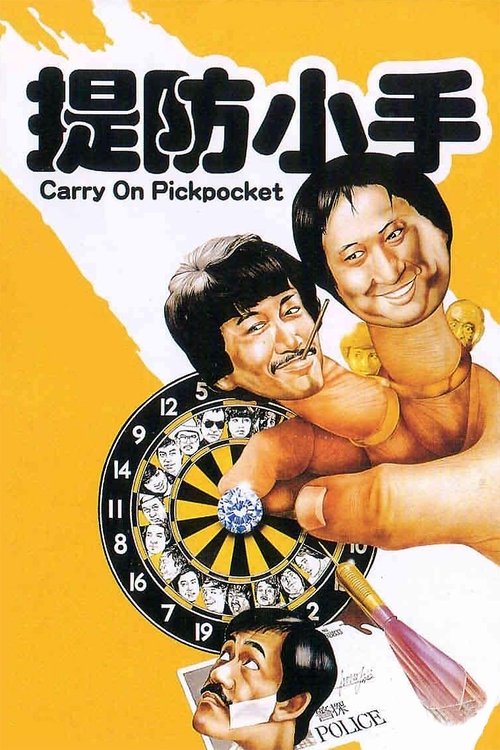
1982

2020

1979

1982
No reviews yet. Be the first to share your thoughts on this movie!
Use the rating form above to leave a star rating and optional review.