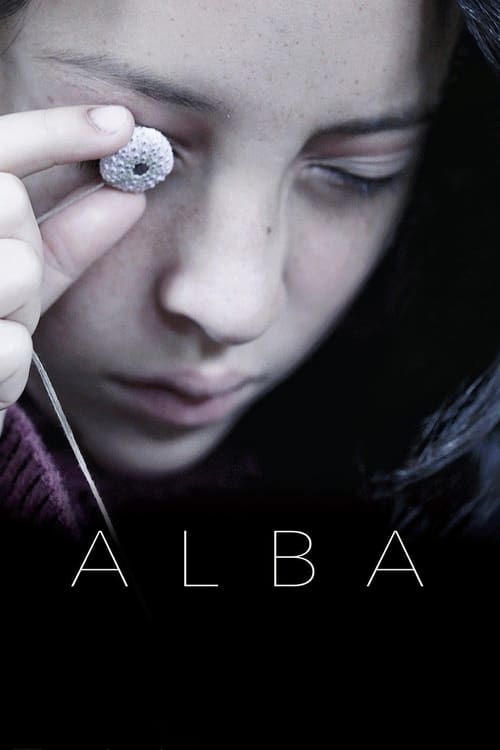
Alba
2016
No user ratings available yet
Diversity score: 6.2 out of 10
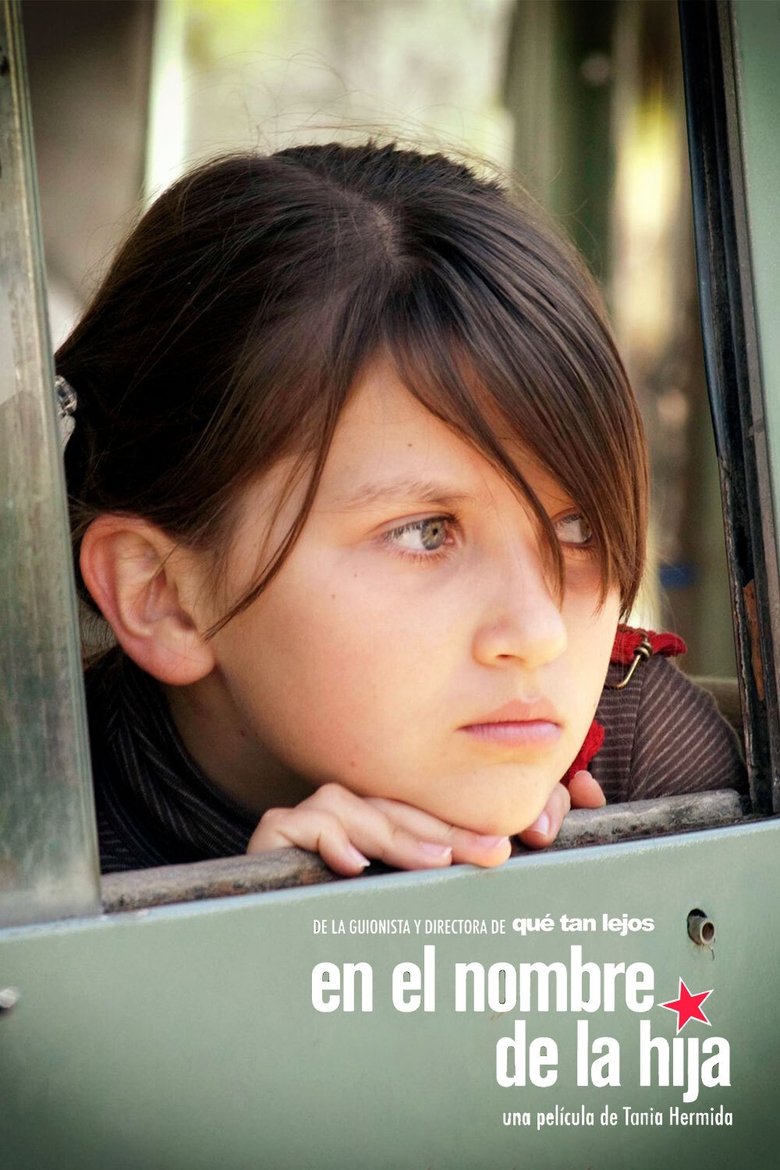
2011
Director
Tania Hermida
Runtime
108 minutes
Average Rating
No ratings yetSynopsis
En el Nombre de la Hija tells the story of a nine-year old girl whose name is in dispute. Manuela has been named alter her socialist-atheist father, but her catholic-conservative grandmother insists she should carry the name the first daughters of the family have carried for generations: Dolores. The story takes place in a Valley in the Ecuadorian Andes, during the summer of 1976. Manuela and her little brother, Camilo, are spending vacations with their cousins and grandparents at the family's farmhouse. Eager to defend her father's ideas, Manuela confronts her cousins and grandparents, but an unexpected encounter leads her to confront herself instead. Hidden in the family's abandoned library, schizophrenic uncle Felipe is devoted to setting words free from the constraints of dogmas. His wisdom sets Manuela free from her own dogmas and forever changes her relationship with words, including her own name.
Overall Score
Good
Category Breakdown
LGBTQ+ Representation
The film lacks explicit depictions of LGBTQ+ characters or non-heteronormative identities. The narrative focuses instead on the ideological clash between socialist-atheist and Catholic-conservative views.
Gender Representation
Manuela, a nine-year-old girl, serves as the central agent of the story. She actively challenges patriarchal and matriarchal family structures rather than remaining a passive recipient of tradition.
Racial & Ethnic Diversity
Set in the Ecuadorian Andes, the film offers a localized perspective. It prioritizes regional identity and Andean social dynamics over Western-centric storytelling.
Religious & Cultural Diversity
The story critiques traditional religious dogma by pitting secularism against Catholic-conservative traditions. It frames the family unit as a site of ideological struggle rather than a stable institution.
Disability Representation
Uncle Felipe’s schizophrenia is portrayed as a source of wisdom rather than a trope for mockery. His neurodivergence serves as a catalyst for the protagonist's intellectual liberation.
Strengths
Areas for Improvement
AI Analysis
Tania Hermida’s drama succeeds by centering a child's intellectual autonomy against rigid social structures. By framing neurodivergence and secularism as tools for liberation, the film disrupts conventional expectations of familial stability. The narrative effectively subverts traditional roles, particularly through Manuela's agency and Uncle Felipe's complex characterization. While it lacks queer representation, its focus on regional identity and institutional critique provides a refreshing departure from Western hegemony.
2016

2014
2021
2015
2013
2015
2012
2011
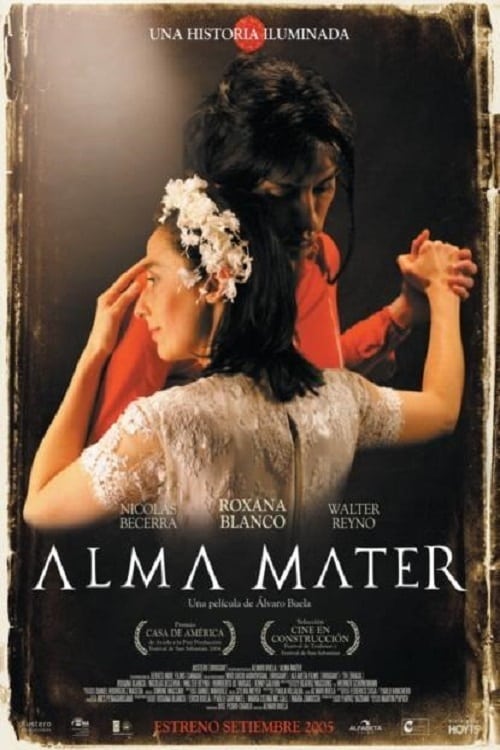
2004
2005
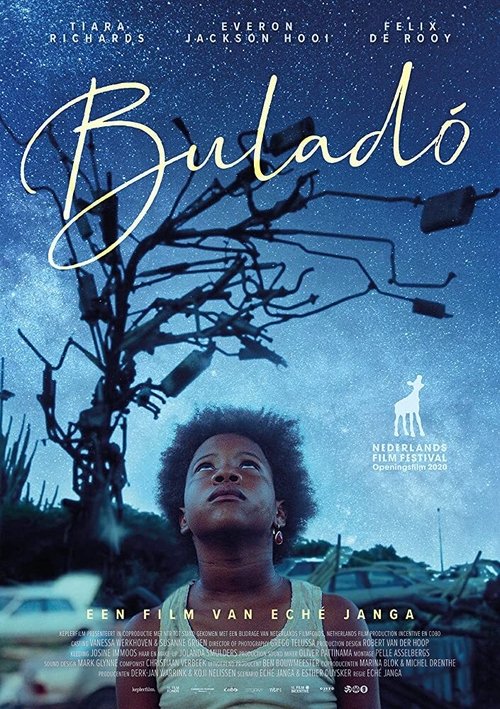
2020
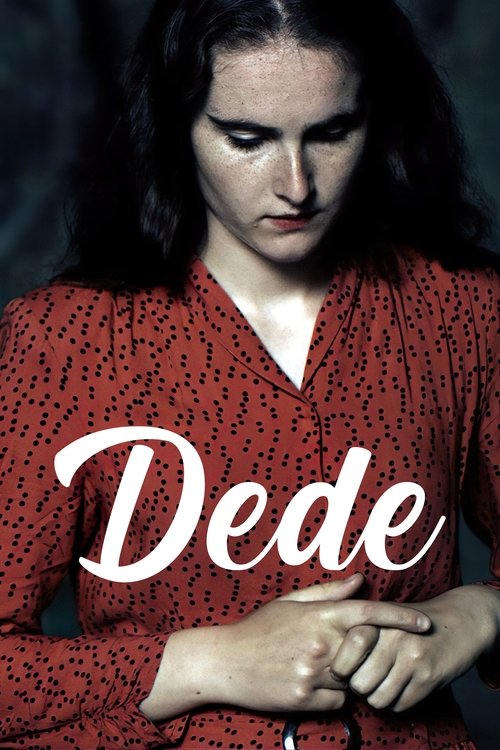
2017
No reviews yet. Be the first to share your thoughts on this movie!
Use the rating form above to leave a star rating and optional review.