
Don't Call Me Son
2016
No user ratings available yet
Representation score: 6.5 out of 10
Representation Score
Excellent
2016
Not RatedDirector
Ana Cristina Barragán
Runtime
98 minutes
Average Rating
No ratings yetNew Showbiz Analysis
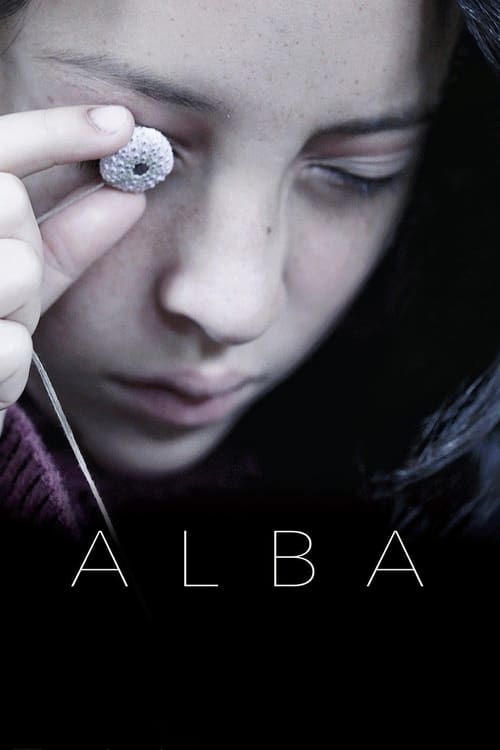
Alba is a character-driven drama that shines by avoiding the romanticization of domestic life. By focusing on a young girl navigating the heavy responsibilities of caregiving and the tension within a fractured family, the film provides a grounded look at vulnerability. The film excels at depicting the intersection of disability and childhood. The mother's illness is central to shaping Alba's identity and daily routine. However, the film's impact is somewhat limited by its lack of explicit detail regarding specific identities. While it explores themes of self-acceptance and cultural specificity, certain aspects of representation remain understated.
Category Breakdown
The film follows Alba's journey towards self-acceptance and her first kiss, without explicitly defining her sexual orientation. Instead, it focuses on the complexities of puberty and personal discovery.
Alba challenges the stereotype of a helpless child by taking on the role of primary caregiver for her sick mother. The narrative highlights the heavy emotional labor performed by young girls in domestic settings.
The film shifts away from typical Anglo-centric narratives by focusing on localized, personal family struggles. It presents a departure from the standardized Western family structures often seen in mainstream cinema.
The story critiques the idealized family unit by showing the domestic sphere as a place of illness and estrangement. It emphasizes the complex, often challenging realities of systemic hardship over romanticized family life.
Chronic illness is woven into the protagonist's daily life rather than serving merely as a plot device. The film offers a nuanced perspective on the intersection of caregiving and the loss of childhood innocence.
Present on Screen
Limited or Absent
Official Synopsis
Alba, 11 years old, passes her days in silence. She loves little animals. She has learned to cope with her mother's illness, helping her to use the bathroom. Alba plays silently so that her mother can rest during the day. One night Alba's mother gets worse, and has to be taken to the hospital. With no one else to take care of her, Alba is sent to live with her father, who she hasn't seen since she was three years old. Living with her father is almost unbearable. Embarrassment, her first kiss, visits to mother in the hospital, Edgar's tender efforts to get close to her, and bullying at school; these are some of the experiences that pave Alba's journey to puberty and to self-acceptance.
2016

2017

2014
2017
2016

2024
2016
2023
No reviews yet. Be the first to share your thoughts on this movie!
Use the rating form above to leave a star rating and optional review.