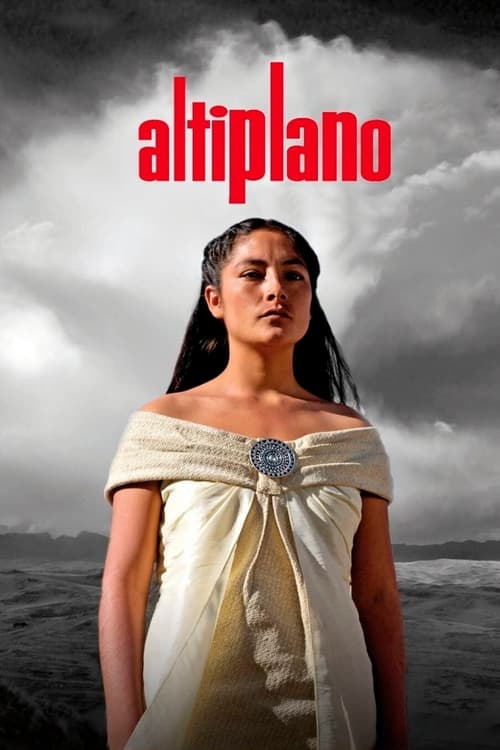
Altiplano
2009
No user ratings available yet
Representation score: 4.4 out of 10
Representation Score
Excellent
2013
TV-MADirector
Víctor Arregui
Runtime
83 minutes
Average Rating
No ratings yetNew Showbiz Analysis
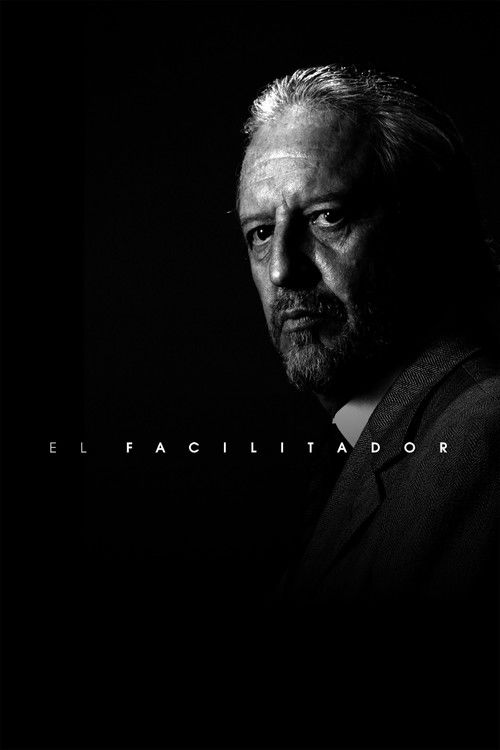
The Facilitator is a work of social realism that prioritizes regional identity and systemic inequality over commercial clichés. It centers indigenous ability to act and critiques corrupt institutions. The film shifts focus from individual triumph to the collective struggle of underrepresented groups. However, the narrative lacks visible LGBTQ+ representation and offers limited insights into neurodivergent or specialized disability representation. While health themes are present, their depth as character drivers is unconfirmed. Ultimately, the film's strength lies in its refusal to sanitize the view of family or state authority, offering a nuanced exploration of communal rights and socio-political hierarchies.
Category Breakdown
The film focuses on familial illness and indigenous activism without mentioning queer identities or non-straight relationships.
Elena is the main character who navigates patriarchal structures, challenging traditional gender hierarchies by putting a woman at the center of political drama.
The film highlights the ability to act of indigenous communities fighting for water access in the Andes, moving away from Western-centric views to focus on local resource conflicts.
The story critiques institutional corruption and the exploitation of indigenous lands. It presents the Western family unit as morally ambiguous and failing systematically.
The plot is driven by the protagonist's father's illness, but it's unclear if his health issues provide him with ability to act or simply serve as a catalyst.
Present on Screen
Limited or Absent
Official Synopsis
Elena comes back to Ecuador to help her father overcome his illness. She spends most of her time between drugs and alcohol. While visiting her grandpa in the Andes Elena gets involved in the fight for water access in an indigenous community. She gradually understands that among family secrets, corruption and dark perversions commitment and beauty can emerge.
2009

2020
2014

2012
2013

2020

2021
2016
No reviews yet. Be the first to share your thoughts on this movie!
Use the rating form above to leave a star rating and optional review.