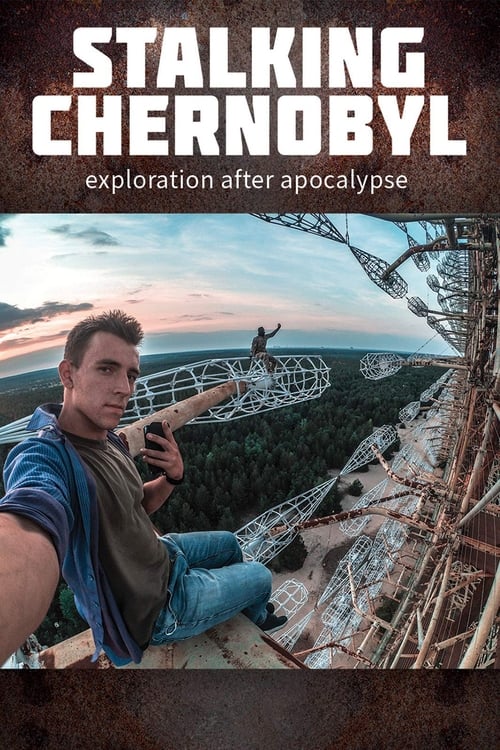
Stalking Chernobyl: Exploration After Apocalypse
2020
No user ratings available yet
Representation score: 7.7 out of 10
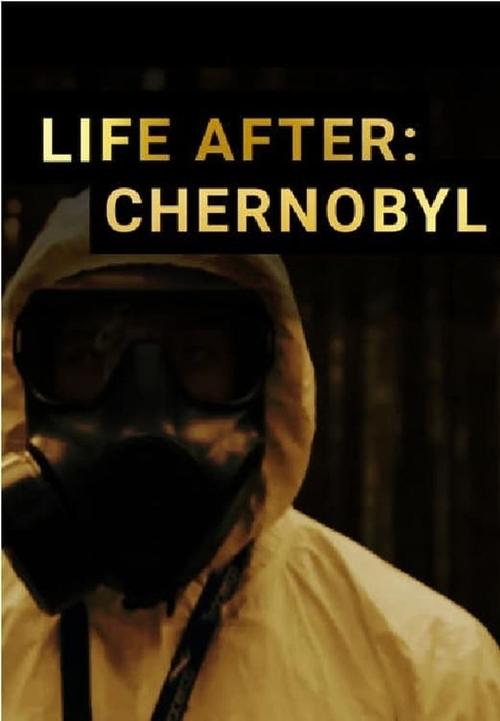
Representation Score
Fair
2016
Director
Chiara Bellati
Runtime
45 minutes
Average Rating
No ratings yetNew Showbiz Analysis
Life After: Chernobyl primarily serves as a scientific exploration of ecological resilience. The narrative structure emphasizes empirical observation of the natural world over social identity issues. Though the film presents a gender-integrated scientific team, it does not delve into multi-layered complexities. Instead, the human elements support the environmental study rather than becoming central subjects of identity exploration. Ultimately, the documentary excels in critiquing human-managed systems and highlighting biological recovery in a disaster zone.
Category Breakdown
The film does not provide any information about the sexual orientation or gender identity of the researchers. The focus is on observing the environment rather than the personal identities of the main characters.
A male biologist and a female anthropologist work together as equals. This partnership avoids the cliché of the lone male adventurer by emphasizing professional collaboration.
The racial or ethnic backgrounds of the lead scientists are not mentioned. The emphasis is on wildlife and ecological recovery rather than the personal identities of the researchers.
The documentary looks at the failure of industrial structures after a nuclear accident. By focusing on nature’s reclaiming of the area, it shifts attention away from human dominance.
There is no indication that disability or neurodivergence plays a role in the film. The subject matter focuses on biological and anthropological field research.
Present on Screen
Limited or Absent
Official Synopsis
Thirty years after the worst nuclear catastrophe in history, which sent a plume of highly radioactive fallout into the atmosphere, biologist Rob Nelson and anthropologist Mary-Ann Ochota are the first scientists to be granted unlimited access to the Chernobyl exclusion/danger zone to investigate how the environment and the wildlife have been affected after three decades of radiation exposure.
2020
2021
2010
2008

2016

2019
2016

2009
No reviews yet. Be the first to share your thoughts on this movie!
Use the rating form above to leave a star rating and optional review.