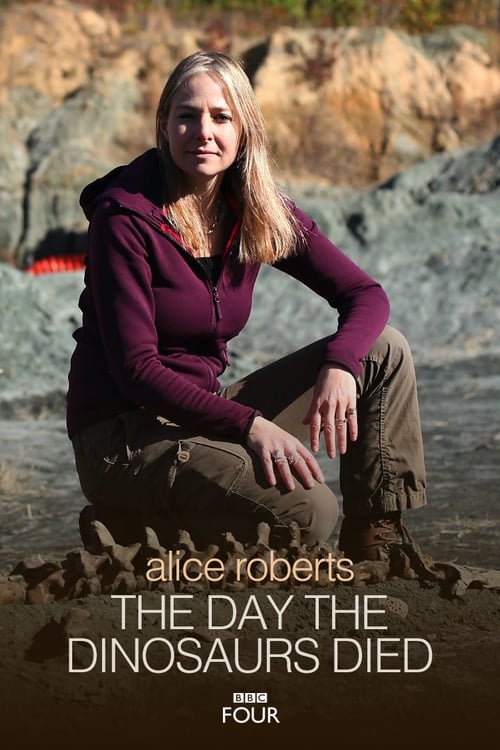
The Day the Dinosaurs Died
2017
No user ratings available yet
Representation score: 0.6 out of 10
Representation Score
Minimal
2008
Director
David De Vries
Runtime
94 minutes
Average Rating
No ratings yetNew Showbiz Analysis
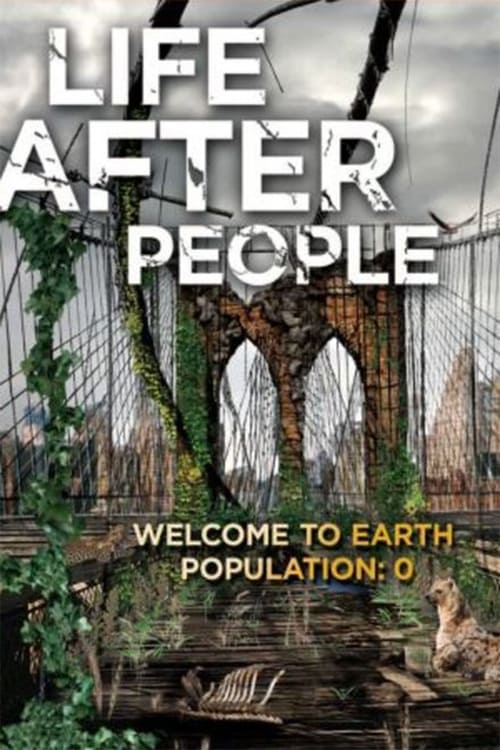
Life After People is a speculative scientific documentary that examines the Earth's ecological succession after the hypothetical disappearance of humanity. Since the central premise revolves around the absence of humans, the film lacks the social dynamics, character arcs, or interpersonal power structures necessary for traditional representation. The low diversity score is a direct result of the genre and subject matter. The narrative focuses on the degradation of human-made structures and the resilience of nature, rather than human-centric social identities. While the film lacks human representation, it offers a unique perspective by deconstructing human civilization. It frames human institutions as transient, aligning with a naturalistic worldview that prioritizes biological processes over cultural constructs.
Category Breakdown
Since the documentary focuses solely on biological and geological processes, there is no depiction of human characters, thus excluding any representation of sexual orientation or gender identity.
The narrative centers on plant and animal life, along with the decay of human-built environments. By removing human ability to act, gender hierarchies are not present in the storyline.
The film maintains a broad planetary and ecological perspective. Without a human cast, concepts of racial or ethnic diversity do not apply to the subject matter.
The documentary explores themes of post-humanism and the dissolution of civilization. Through a secular, naturalistic worldview, it implicitly critiques the permanence of human institutions.
As the documentary does not feature human subjects, it does not depict any physical or neurodivergent identities.
Present on Screen
Limited or Absent
Official Synopsis
In this special documentary that inspired a two-season television series, scientists and other experts speculate about what the Earth, animal life, and plant life might be like if, suddenly, humanity no longer existed, as well as the effect humanity's disappearance might have on the artificial aspects of civilization.
2017
2021
2008
1995
2020
2016
2005
2017
No reviews yet. Be the first to share your thoughts on this movie!
Use the rating form above to leave a star rating and optional review.