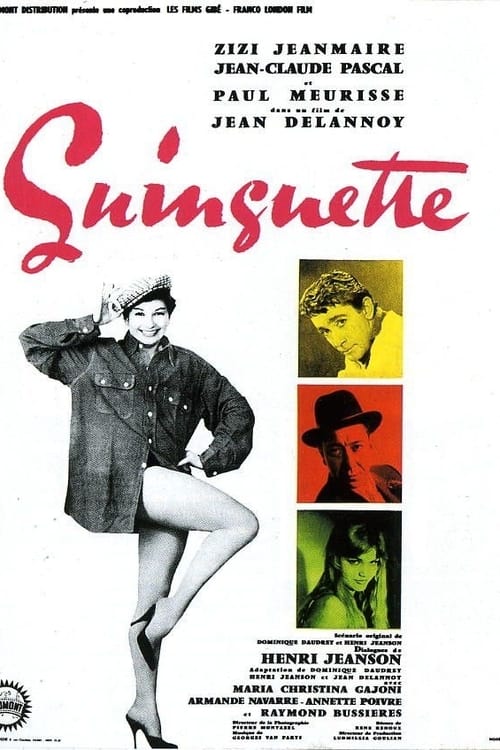
Guinguette
1959
No user ratings available yet
Representation score: 3.1 out of 10
Representation Score
Limited
1967
Director
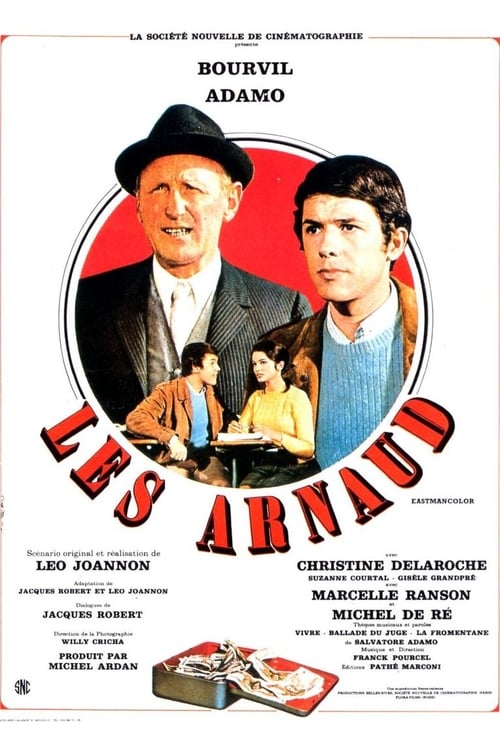
Léo Joannon
Runtime
89 minutes
Average Rating
No ratings yetNew Showbiz Analysis
Léo Joannon’s film operates as a conventional mid-century drama that uses social transgressions to facilitate a standard moral arc. While the plot touches on non-traditional themes and criminal behavior, these elements are used to drive character conflict rather than explore identity. The production adheres to the era's traditional storytelling, emphasizing masculine archetypes and institutional stability. The resolution through legal authority suggests a reinforcement of existing social hierarchies rather than a challenge to them.
Category Breakdown
Same-sex relationships serve mainly as a plot device to trigger the protagonist's descent into crime. These elements are used to create a moral crisis rather than providing a nuanced or positive portrayal of LGBTQ+ identities.
The story follows traditional 1960s gender roles, focusing on male characters' struggles for survival. The female lead, Tina, serves primarily as a stabilizing romantic interest and has limited influence in the central conflict.
The film features a homogeneous cast set in Provence, with no indication of racial blending or the inclusion of diverse ethnic perspectives.
The story reinforces traditional institutional roles by relying on a judge for moral resolution. It operates within established Western social structures without critiquing them.
The film contains no characters dealing with physical, sensory, or neurodivergent disabilities.
Present on Screen
Limited or Absent
Official Synopsis
In the sunny landscapes of Provence, Henri Arnaud is a conscientious law student who's got a lovely girlfriend, Tina. The person who used to pay for his studies dies and the poor young man's disposable funds are low. He asks an antique dealer if he can lend him some money. This shady guy agrees, but in return for homosexual relations. Henri kills him and runs away. Fortunately, a good judge, who bears the same name as him, comes to his rescue.
1959

1964

1976

1979
1958

1963

1961

1971
No reviews yet. Be the first to share your thoughts on this movie!
Use the rating form above to leave a star rating and optional review.