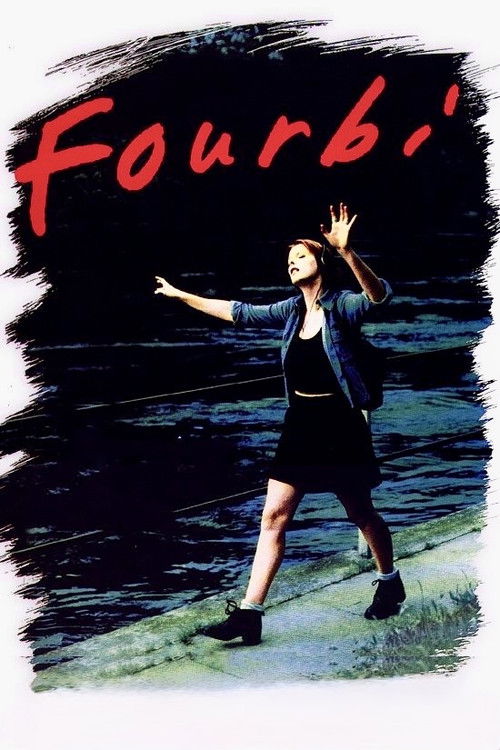
Fourbi
1996
No user ratings available yet
Representation score: 4.4 out of 10

Representation Score
Fair
1971
Director
Alain Tanner
Runtime
125 minutes
Average Rating
No ratings yetNew Showbiz Analysis
Alain Tanner’s film is politically charged, prioritizing ideological rebellion over traditional social stability. It excels by elevating women's ability to drive the story and critiquing Western capitalist structures. However, it is limited by its narrow demographic focus, lacking racial and LGBTQ+ diversity and focusing on a homogeneous European setting. Ultimately, the film serves as a study of individual alienation and systemic critique, emphasizing deep, character-driven political exploration over broad demographic representation.
Category Breakdown
The film does not include explicit representations of non-binary genders or same-sex relationships. It touches on identity fluidity but does not feature specific LGBTQ+ characters or challenge assumptions about straight relationships.
Emilie plays a significant role in the story, focusing on her personal growth rather than domestic or maternal duties. The narrative challenges traditional passive roles for women by highlighting her struggle against societal expectations.
Set in 1970s Switzerland, the film features a predominantly white cast. The story centers on class and ideological conflicts rather than exploring diverse racial or ethnic backgrounds.
The film sharply criticizes Western institutions, portraying the bourgeois family as oppressive. It presents radical, anti-social behavior as a justified response to systemic issues.
There are no prominent depictions of visible or invisible disabilities that drive the narrative or serve as central character arcs.
Present on Screen
Limited or Absent
Official Synopsis
Pierre and Paul, journalist and writer respectively, team up to write a screenplay based on the real story of a young woman accused by her uncle of trying to kill him. They decide to meet her.
1996
1964
1976
1960
1967
2015
1964
1977
No reviews yet. Be the first to share your thoughts on this movie!
Use the rating form above to leave a star rating and optional review.