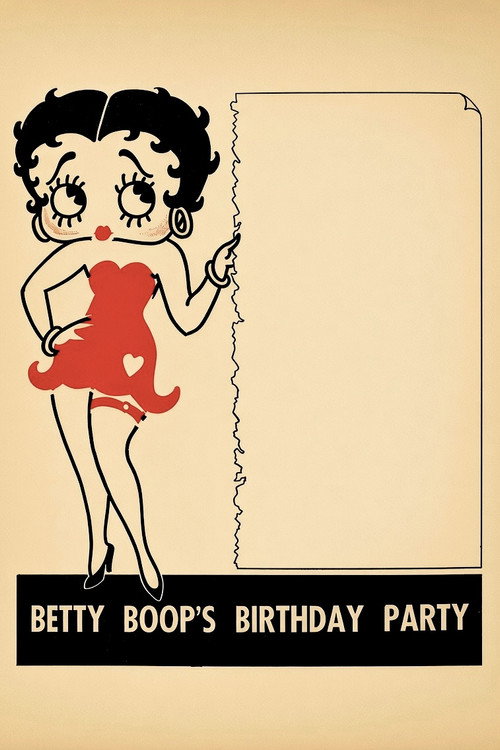
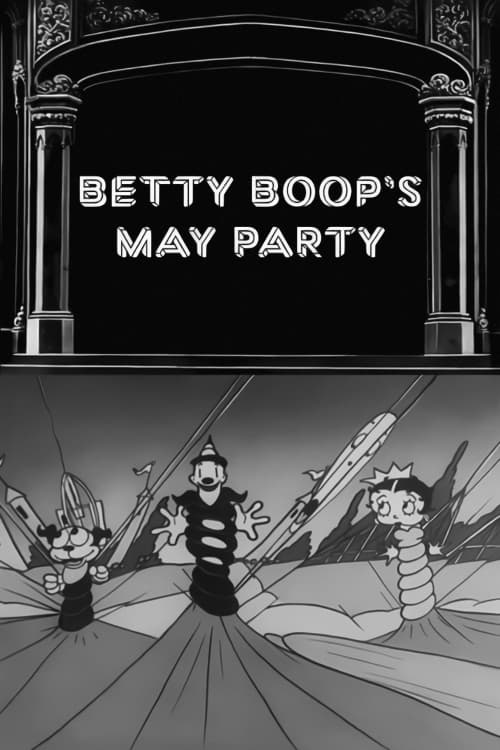
Betty Boop's Birthday Party
1933
No user ratings available yet
Representation score: 1.2 out of 10
Representation Score
Minimal
1932
Director
Hugh Harman
Runtime
8 minutes
Average Rating
No ratings yetNew Showbiz Analysis
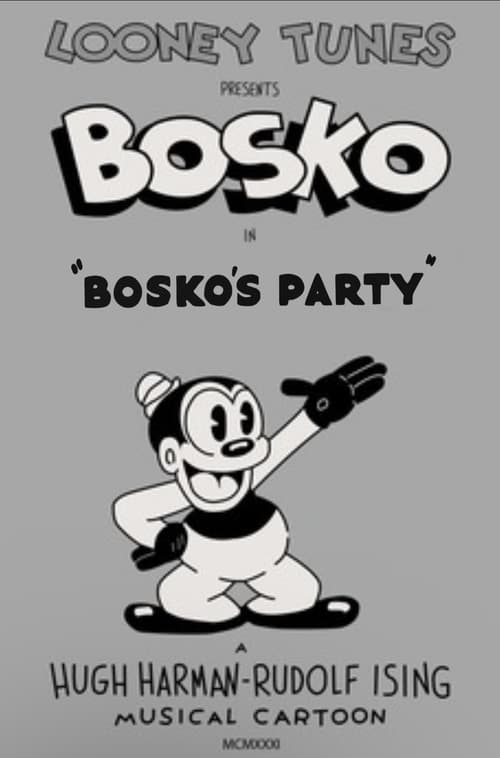
Bosko's Party reflects the limitations of 1932, where the presence of a Black protagonist is a notable marker for its time. However, the film's reliance on racial caricatures and objectification limits its potential for authentic representation. Gender dynamics are also constrained, using objectification as a comedic tool. The narrative structure reinforces traditional social hierarchies and domesticity without challenging them. Ultimately, the film upholds period archetypes without offering diverse perspectives.
Category Breakdown
The film does not include any characters or storylines related to LGBTQ+ identities. The interpersonal dynamics focus solely on traditional courtship between Bosko and Honey.
Honey is shown taking some initiative during her preparations, but the narrative still uses a male perspective. Despite a modesty screen, the audience can see her, reinforcing objectifying views of women.
Bosko is a rare Black lead in early mainstream animation. However, his design uses exaggerated physical caricatures and historical racial stereotypes instead of nuanced characterization.
The story presents a conventional view of community and domestic life. It does not engage with secularism, moral relativism, or critiques of Western social institutions.
No visible or invisible disabilities are portrayed. Characters operate within a standard physical paradigm without neurodivergent or sensory-based narratives.
Present on Screen
Limited or Absent
Official Synopsis
Bosko whistles "It Ain't Gonna Rain No Mo" as he walks down the sidewalk in the pouring rain. His umbrella provides a good sailboat when he wants to cross a flooded street. Meanwhile, Honey is getting dressed and made up. She's about to remove her nightgown when she realizes that we in the audience are watching her. She goes behind a modesty screen, but the mirror reveals all to us. Bosko arrives at Honey's place and one of her friends opens the door. Little does she know that several of her friends are downstairs waiting to surprise her. This is Honey's birthday. Honey's little yapping dog causes trouble before and during the party. Worse trouble comes from her pupil--a little kitten who hides underneath a flowerpot and can't get out from under it. When he finally does, he causes a minor catastrophe.
1933
1932
1932
1933
1931
1931
1931
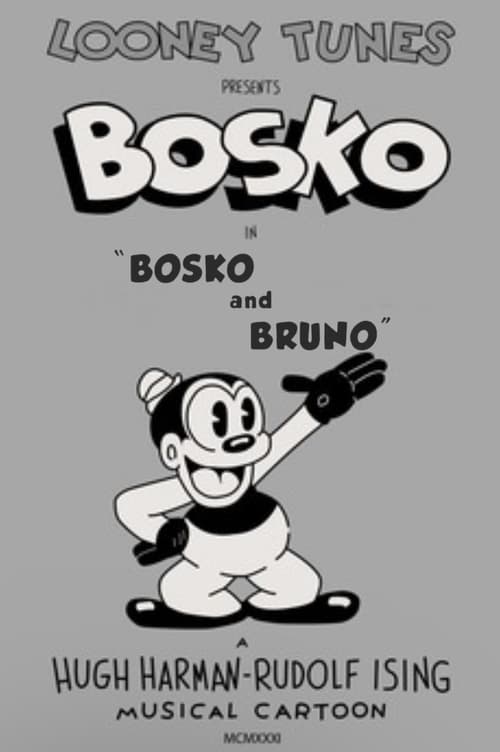
1932
No reviews yet. Be the first to share your thoughts on this movie!
Use the rating form above to leave a star rating and optional review.