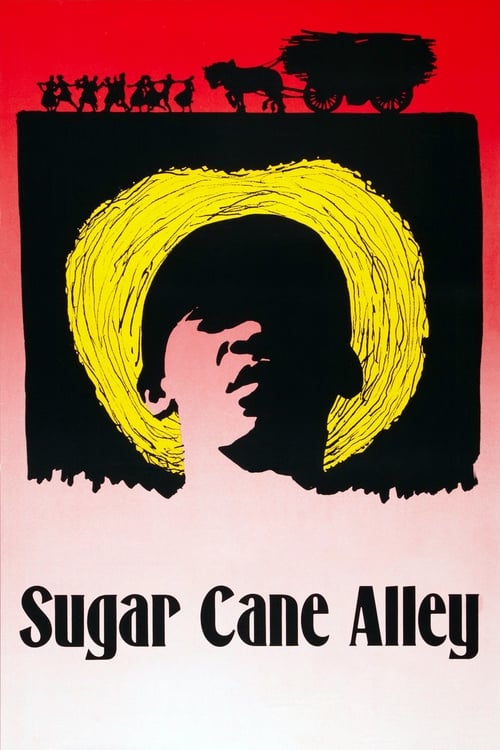
Sugar Cane Alley
1983
No user ratings available yet
Representation score: 4.7 out of 10

Representation Score
Good
2008
TV-GDirector
Riri Riza
Runtime
120 minutes
Average Rating
No ratings yetNew Showbiz Analysis
The film effectively portrays complex social hierarchies and the interplay of ethnicity and class. It avoids simplistic representations of identity by focusing on the tensions between local populations and the tin mining industry. However, the narrative lacks LGBTQ+ characters or non-straight relationships. Disability is depicted primarily as a consequence of economic hardship rather than specific conditions. The story centers on the struggle for survival against industrial dominance. Overall, the film serves as a nuanced critique of post-colonial resource exploitation, grounded in localized ethnic and religious contexts.
Category Breakdown
There are no LGBTQ+ characters or narratives in the film. The story focuses on the friendships and shared hardships among the students.
Female characters, especially Bu Muslimah, play significant roles in driving the story. They exhibit strong leadership and resilience within the community.
The film portrays the coexistence and conflicts between the local Malay population and the Chinese-descended mining community. It highlights the complexities of ethnic relations.
The film is rooted in Islamic traditions and highlights the role of religion in community cohesion. It critiques how extractive industries sideline local cultural identities.
Physical and cognitive challenges are shown as symptoms of extreme poverty. These struggles are framed through the lens of survival rather than individual ability to act.
Present on Screen
Limited or Absent
Official Synopsis
A group of 10 students struggles with poverty and develop hopes for the future in Gantong Village on the farming and tin mining island of Belitung.
1983

2019

2017

1999

2016

2020

2009

1997
No reviews yet. Be the first to share your thoughts on this movie!
Use the rating form above to leave a star rating and optional review.