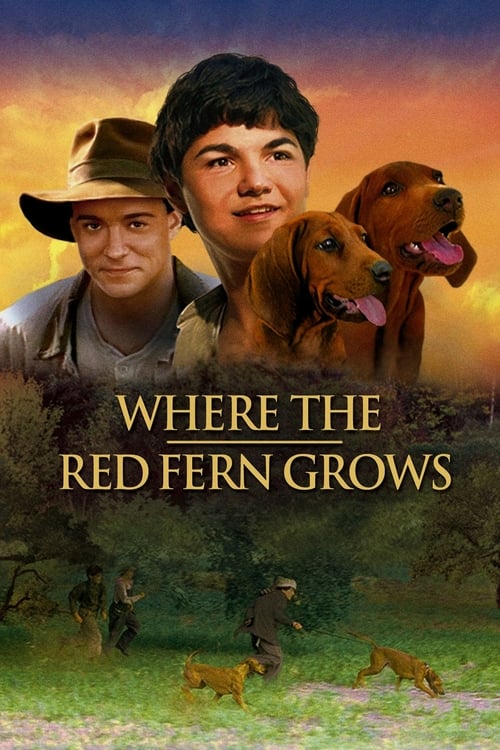
Where the Red Fern Grows
2003
No user ratings available yet
Representation score: 0.4 out of 10
Representation Score
Limited
1997
PGDirector
Richard Friedenberg
Runtime
115 minutes
Average Rating
No ratings yetNew Showbiz Analysis
The film excels as a post-colonial narrative, highlighting an Indigenous worldview against the backdrop of Western hegemony. By focusing on Cherokee ability to act and a spiritual connection to nature, it provides a meaningful critique of capitalist structures during the Great Depression. However, the film maintains traditional gender roles and lacks any representation of LGBTQ+ identities, which limits its inclusivity. Overall, the work is distinguished by its racial and cultural depth, using the protagonist's journey to affirm a non-Western way of life against a disruptive, 'civilized' society.
Category Breakdown
The film does not include any LGBTQ+ characters. The storyline focuses solely on the ancestral and familial ties within the Cherokee community.
Gender roles adhere to traditional hierarchies, with the grandfather imparting survival skills and the grandmother overseeing domestic traditions. These roles are portrayed with dignity but remain unchallenged.
The film centers an Indigenous perspective by emphasizing Cherokee ability to act and a connection to nature. It avoids whitewashing and highlights the struggle to preserve cultural identity against Western expansion.
The narrative criticizes Western institutionalism by valuing a spiritual bond with nature over organized religion. It portrays the Cherokee lifestyle as a wise alternative to capitalist structures.
There are no characters with visible or invisible disabilities featured prominently in the narrative.
Present on Screen
Limited or Absent
Official Synopsis
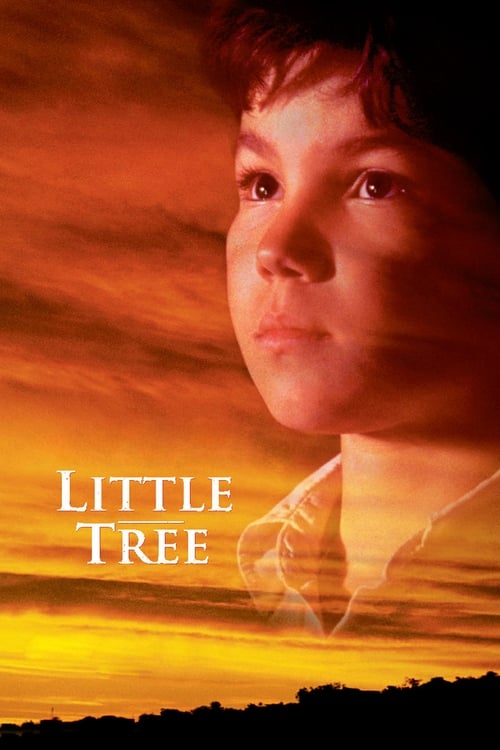
Little Tree is an 8-year-old Cherokee boy, who, during the time of the depression, loses his parents and starts to live with his Indian grandma and grandpa and learn the wisdom of the Cherokee way of life.
2003
1946
1983
2002
1997

1998
1974
2010
No reviews yet. Be the first to share your thoughts on this movie!
Use the rating form above to leave a star rating and optional review.