
O Seasons, O Castles
1958
No user ratings available yet
Representation score: 0.9 out of 10
Representation Score
Fair
1984
Not RatedDirector
Agnès Varda
Runtime
12 minutes
Average Rating
No ratings yetNew Showbiz Analysis
Agnès Varda’s documentary offers a unique semiotic reading of Parisian architecture by focusing on female caryatids. The film transforms static, classical symbols of femininity into active, structural components of the urban landscape. However, the work is geographically and culturally specific to the Western canon. The focus on neo-classical ornamentation results in a lack of racial diversity and a homogeneous visual palette. Ultimately, the film's impact comes from its intellectual framework. It challenges the traditional relationship between the observer and the observed by treating decorative figures as essential architectural components.
Category Breakdown
The documentary does not include explicit depictions of LGBTQ+ characters or romantic orientations. The focus on architectural statuary prevents active queer narratives within this specific work.
Varda recontextualizes the female form as a load-bearing agent rather than a passive object. This approach transforms these stone figures into active structural participants and challenges the traditional ornamental portrayal of femininity.
The film operates within a homogeneous Eurocentric aesthetic framework. The visual palette is dominated by the classical Western canon of Parisian architecture.
The work adopts a deconstructive stance toward traditional monumentalism. It prioritizes a subjective, observational perspective over standardized or institutionalized historical narratives.
There is no discernible evidence regarding the representation of physical or neurodivergent disabilities in this study of architectural elements.
Present on Screen
Limited or Absent
Official Synopsis
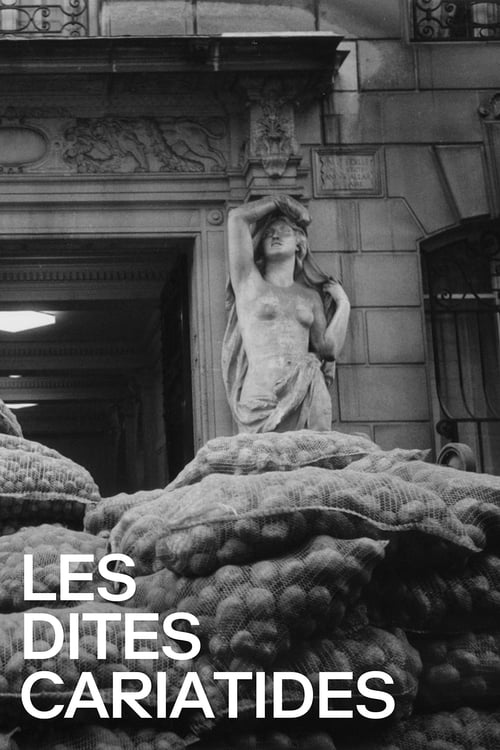
Commissioned by French television, this is a short documentary on the neo-classical statues found throughout Paris, predominantly on the walls of buildings, holding up windows, roofs etc.
1958

1986

2018

2022
1997

1982
1964

1978
No reviews yet. Be the first to share your thoughts on this movie!
Use the rating form above to leave a star rating and optional review.