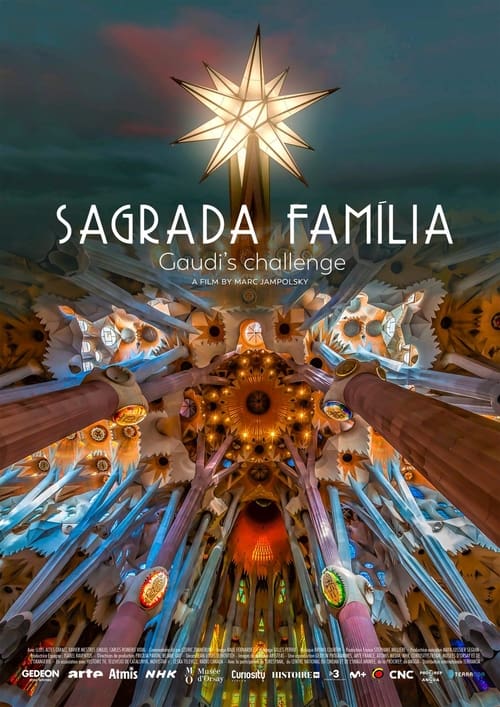
Sagrada Familia - Gaudi's challenge
2022
No user ratings available yet
Representation score: 2.8 out of 10
Representation Score
Limited
1997
TV-14Director
Hiro Narita
Runtime
60 minutes
Average Rating
No ratings yetNew Showbiz Analysis
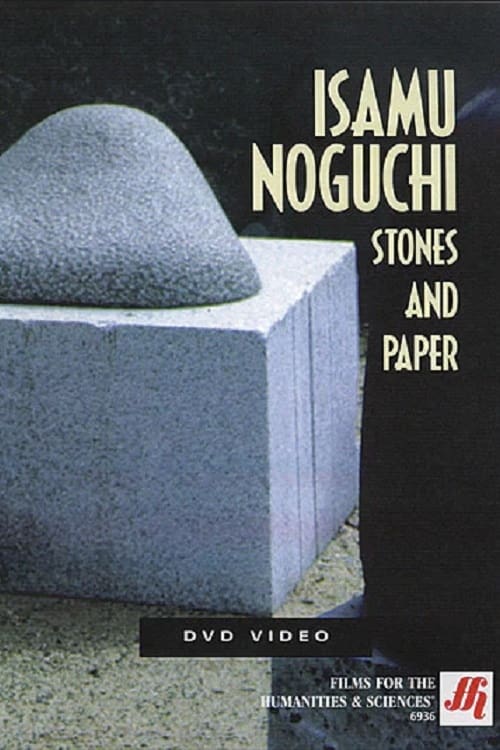
Hiro Narita’s documentary provides a nuanced look at identity by focusing on Isamu Noguchi’s dual cultural heritage. Its primary strength lies in the exploration of hybridity, using Noguchi’s Japanese-American background to challenge Western-centric biographical molds and offer a non-Western perspective on modernism. However, the film’s narrow biographical scope limits its breadth. It adheres to traditional structures that center on a singular male experience, offering minimal engagement with gender diversity or LGBTQ+ narratives. While it successfully challenges ethnic stereotypes, it lacks engagement with disability or neurodivergent representation. Ultimately, the film serves as a meaningful study of cultural identity, even as it remains focused on the intellectual labor and aesthetic philosophy of one man.
Category Breakdown
The film does not include any LGBTQ+ characters or stories. It focuses solely on the professional and philosophical life of the main subject.
The documentary centers on a single male figure. It minimally challenges traditional gender roles, emphasizing the male experience of achieving artistic mastery.
The film excels by exploring Noguchi’s Japanese-American identity. It highlights a blend of Eastern and Western aesthetics, challenging simplistic views of American art.
The narrative explores how Noguchi reconciled diverse cultural traditions. It prioritizes a personal, philosophical approach to art over strict religious or institutional frameworks.
There is no documented evidence regarding the portrayal of physical or neurodivergent disabilities in this biographical study.
Present on Screen
Limited or Absent
Official Synopsis
Isamu Noguchi was a sculptor, designer, architect, and craftsman. Throughout his life he struggled to see, alter, and recreate his natural surroundings. His gardens and fountains were transformations meant to bring out the beauty their locations had always possessed.
2022
1984
1964
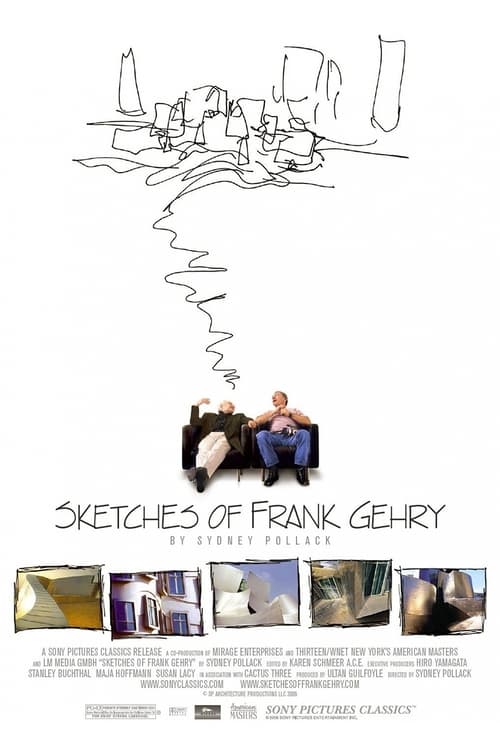
2006
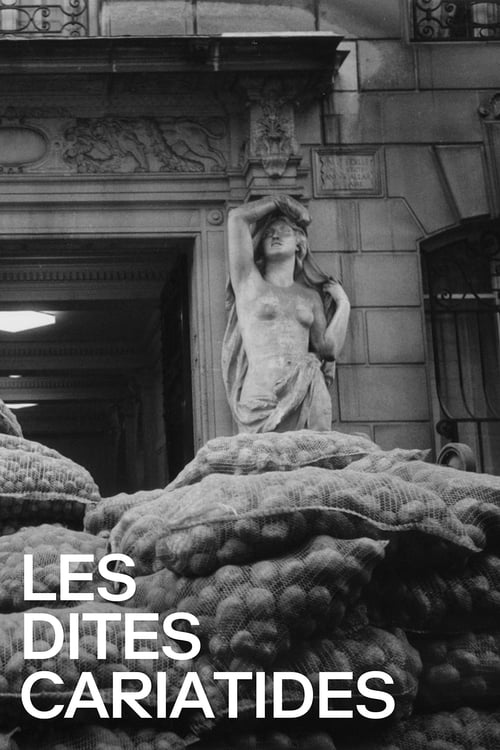
1984
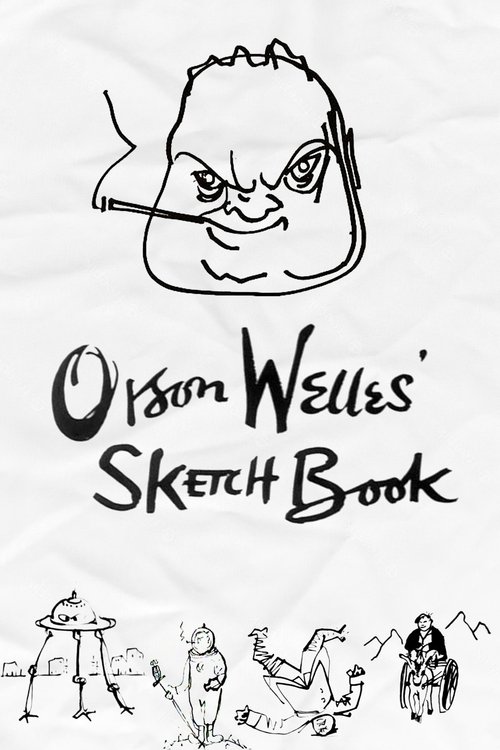
1955
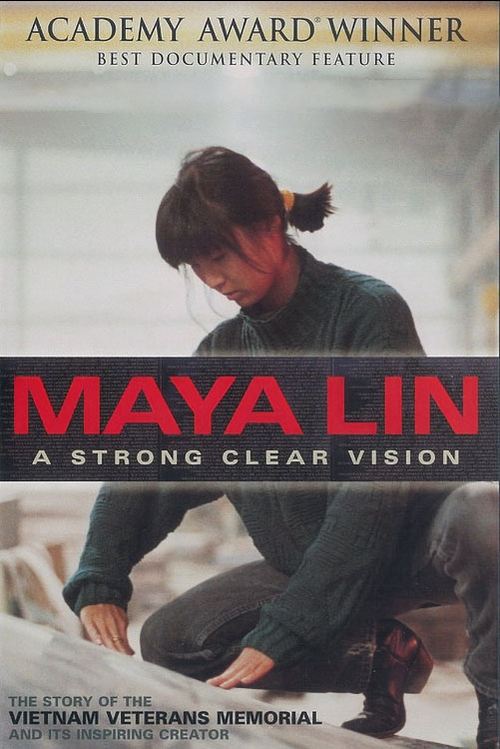
1995
2007
No reviews yet. Be the first to share your thoughts on this movie!
Use the rating form above to leave a star rating and optional review.