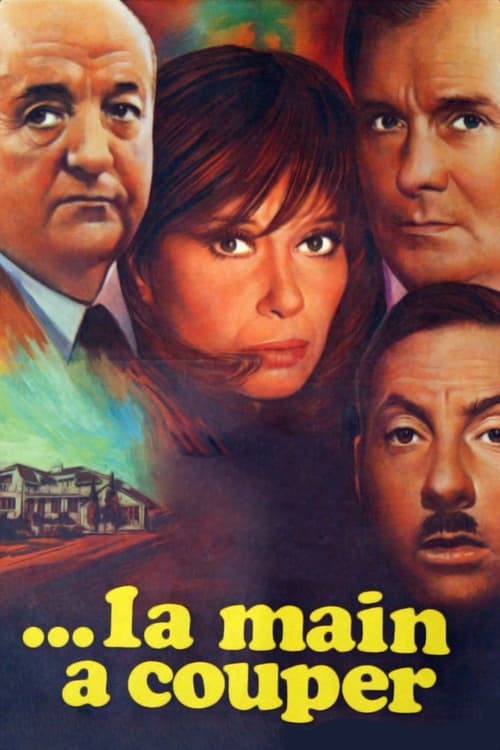
Bloody Murder
1974
No user ratings available yet
Representation score: 1.9 out of 10
Representation Score
Fair
1964
Director
François Villiers
Runtime
89 minutes
Average Rating
No ratings yetNew Showbiz Analysis
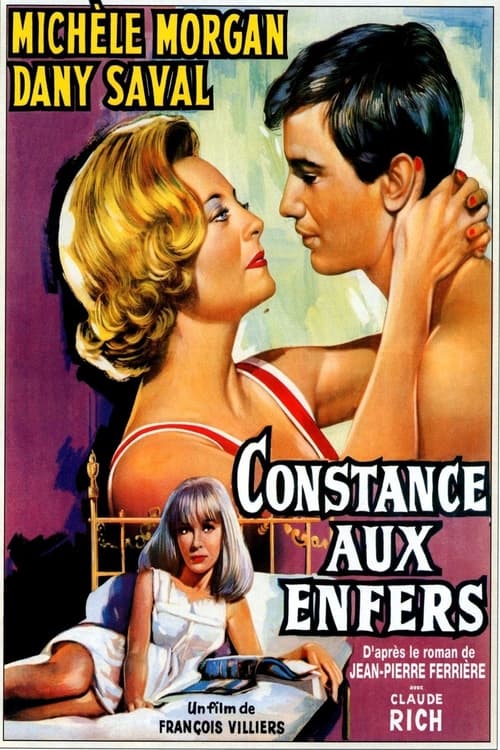
Constance aux enfers is a psychological study of moral ambiguity that prioritizes individual transgression over systemic representation. It succeeds in challenging traditional gender roles by centering a complex, middle-aged woman in a position of power. However, the film remains limited by its mid-century context. The lack of racial diversity and the absence of explicit LGBTQ+ identifiers keep the score in a mid-range tier. The film's strength lies in its cultural critique and its willingness to explore situational ethics rather than traditional morality.
Category Breakdown
The film suggests unconventional interpersonal dynamics through Constance's decision to offer a murderer a place in her bed. However, it lacks explicit non-straight relationships or queer-coded dialogue.
Constance disrupts traditional hierarchies by serving as a central, actively leading protagonist. The power dynamic shifts as the male character becomes vulnerable and dependent on her moral decisions.
The narrative appears to focus on a homogeneous cast within a localized social milieu. There is no evidence of a diverse ensemble or race-bent casting.
The story critiques cultural hierarchies by pitting classical education against modern pop culture. It also embraces moral relativism by rejecting traditional ethical absolutes.
While the protagonist experiences physical isolation through her window-bound observation, there is no evidence of disability or neurodivergent traits as a central character element.
Present on Screen
Limited or Absent
Official Synopsis
Rear Window meets Estate violenta. The middle-aged Constance watches a young couple that lives across the courtyard; the girl plays loud pop music and goes out of her way to be unpleasant to the classically educated and piano-playing Constance. Then one day Constance sees the boyfriend strangle the little tart in a fit of jealousy. He sees her, too, and has nobody else to turn to for help. Constance keeps silent about the murder and offers the young Hugo a place in her bed. Then the blackmail notes start to arrive...
1974
1989
1969
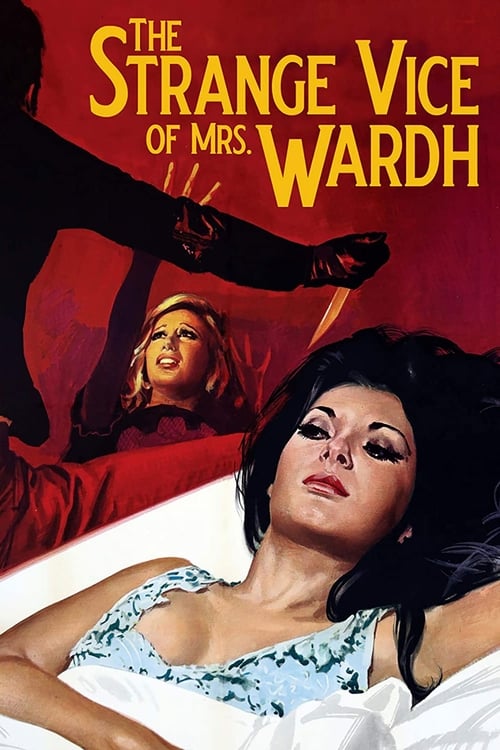
1971
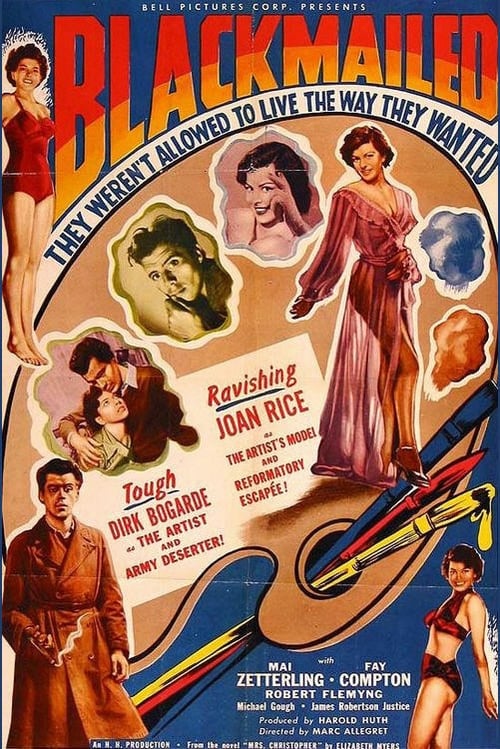
1951
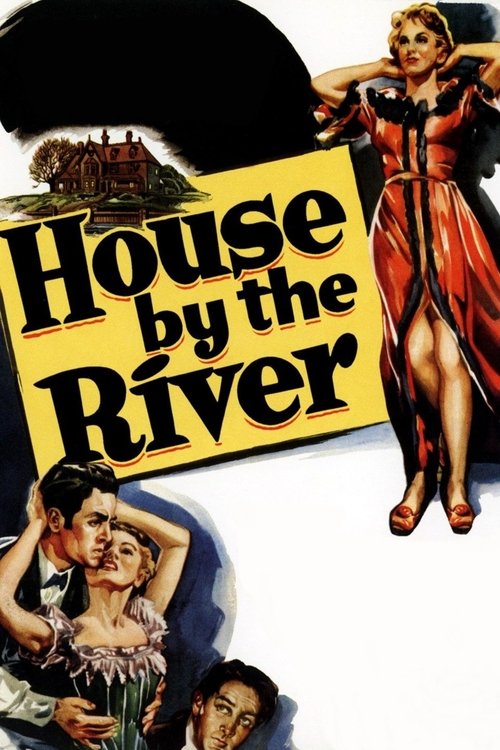
1950
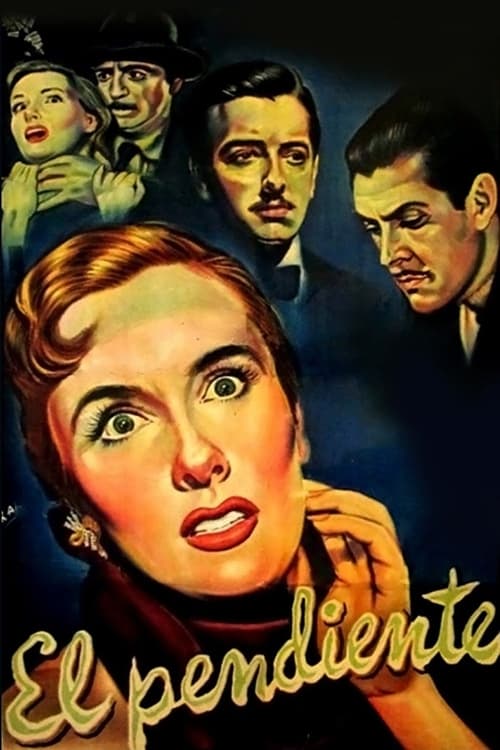
1951
1953
No reviews yet. Be the first to share your thoughts on this movie!
Use the rating form above to leave a star rating and optional review.