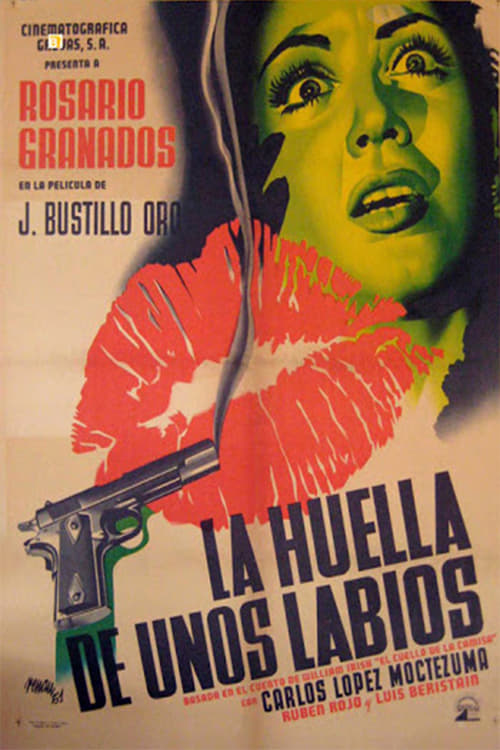
La huella de unos labios
1952
No user ratings available yet
Representation score: 1.3 out of 10
Representation Score
Limited
1951
Director
León Klimovsky
Runtime
72 minutes
Average Rating
No ratings yetNew Showbiz Analysis
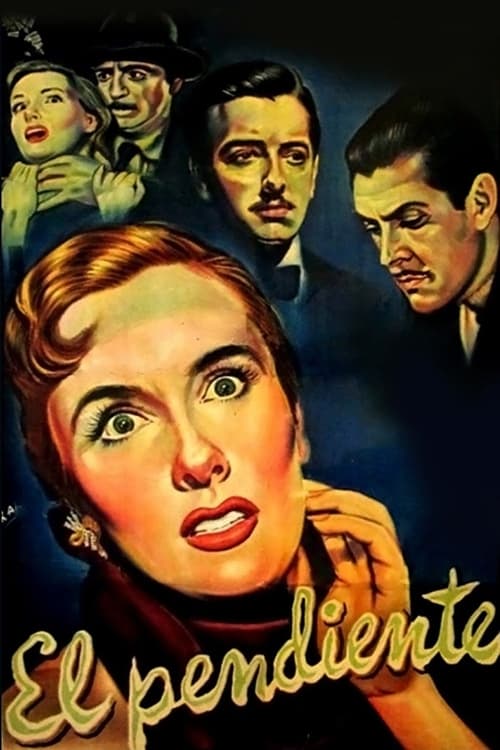
El pendiente is a standard crime drama that adheres strictly to the cinematic norms of 1951. The story relies on established genre clichés, such as blackmail and traditional romantic entanglements, rather than attempting to subvert social hierarchies. The film centers on a woman in crisis, but her role is limited by her connection to a male character. This positioning reflects the era's tendency to frame female characters through their relationships with men. Overall, the work lacks depth in reflecting multiple aspects of identity or progressive representation. It functions as a traditional piece of genre filmmaking that maintains the status quo of its time.
Category Breakdown
The film does not include any characters with non-straight or non-cisgender identities. The plot revolves around a traditional romantic storyline involving an ex-lover.
A female protagonist drives the plot, but her role is defined by her relationship to a male character. She seems trapped in mid-century gender clichés of danger and vulnerability.
The production likely mirrors the demographic homogeneity of 1951 crime dramas. There is no evidence of diverse or non-white casting.
The narrative adheres to conventional morality and social order. It lacks themes that challenge institutional or religious frameworks.
There is no mention of characters with visible or invisible disabilities in the narrative.
Present on Screen
Limited or Absent
Official Synopsis
Under the threat of blackmail, a young woman visits an ex-lover, only to discover that he's been murdered and the blame rests upon her.
1952
1955
1951
1971
1961
1944
1949
1940
No reviews yet. Be the first to share your thoughts on this movie!
Use the rating form above to leave a star rating and optional review.