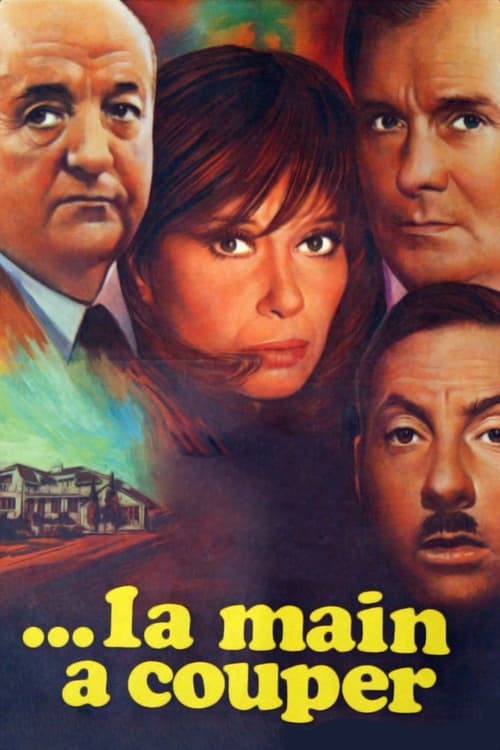
Bloody Murder
1974
No user ratings available yet
Representation score: 1.9 out of 10
Representation Score
Fair
1969
Director
Gianfranco Baldanello
Runtime
89 minutes
Average Rating
No ratings yetNew Showbiz Analysis
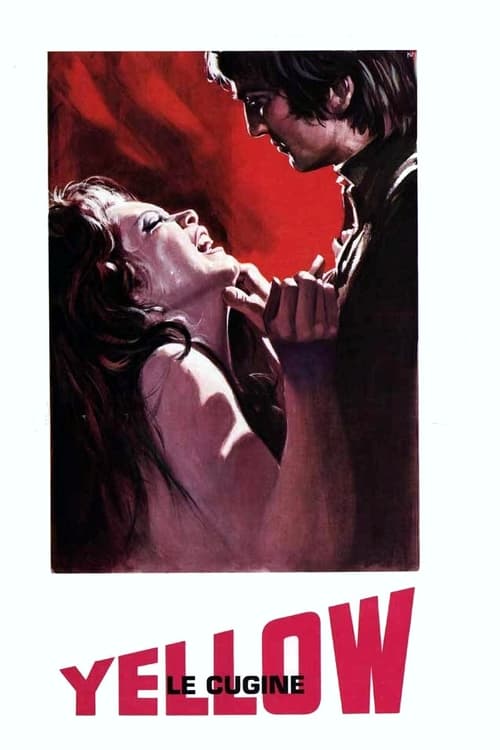
Le Cugine is a psychologically driven crime drama that finds its strength in subverting gendered power dynamics. By positioning female characters as the primary drivers of impulse and rivalry, the film avoids standard male leadership clichés. While the film offers a sophisticated critique of traditional morality and domestic stability, it remains limited by the era's demographic norms. It lacks significant racial diversity and explicit LGBTQ+ markers, focusing instead on internal class and character dynamics. Ultimately, the film succeeds as a study of human ability to act and moral relativism, even if it stays within the conventional casting boundaries of 1960s Italian cinema.
Category Breakdown
The film explores female desire and challenges traditional domestic roles. However, it does not include explicit markers of LGBTQ+ identity.
The narrative disrupts traditional hierarchies by centering the plot on female characters who take control. The male protagonist becomes a subject of manipulation by the women.
The production appears to be a localized European drama from the 1960s. It adheres to the demographic norms of that time without significant racial diversity.
The film critiques the sanctity of the domestic sphere and traditional family structures. It uses the family villa as a site of tension and moral ambiguity.
There are no visible or invisible disabilities that play a central role in the character arcs or plot progression.
Present on Screen
Limited or Absent
Official Synopsis
Following the death of her grandfather, Valentina settles with her husband Pierre, a sculptor, in the old family villa which she partly inherited (half of it belongs to her cousin Marta, who already resides there). Co-habitation proves to be awkward: Valentina is unscrupulous and uninhibited, while Marta is austere and virtuous - at least, on the surface. In fact, when Valentina suddenly dies, the woman initiates a seduction which eventually coaxes Pierre into her arms. The cosy situation soon changes when a police officer turns up to investigate Valentina's death...
1974
1971
1977
1943
1964
1950

1981
1991
No reviews yet. Be the first to share your thoughts on this movie!
Use the rating form above to leave a star rating and optional review.