The Frog
1969
No user ratings available yet
Representation score: 3.1 out of 10
No Poster Available
Representation Score
Limited
1970
TV-Y7Director
Ralph Bakshi
Runtime
7 minutes
Average Rating
No ratings yetNew Showbiz Analysis
The Ghost Monster is a product of early 1970s animation standards, which typically favored homogeneous casting and traditional social roles. The lack of specific character arcs or dialogue makes it hard to find multi-layered complexity within this specific episode. However, the creative influence of Ralph Bakshi provides a layer of subversion. His reputation for challenging mainstream sensibilities and deconstructing clichés suggests the work may have a more chaotic, anti-authoritarian energy than typical children's programming of the era. Ultimately, the film sits in a transitional space. It remains rooted in the era's demographic defaults while benefiting from a director known for pushing the boundaries of traditional animation.
Category Breakdown
Given the 1970s era of children's animation, there are no explicit LGBTQ+ characterizations in the episode. Representation of non-straight identities is likely absent.
The superhero framework often relies on traditional gender roles. Female characters do not seem to drive the plot or challenge established hierarchies.
The production reflects the standard demographic compositions of 1970s American animation. There is no indication of a non-white majority cast or race-bent casting.
Ralph Bakshi's involvement brings an irreverent stylistic approach. His work often engages with moral relativism and the deconstruction of established social structures.
There is no evidence to determine the presence of characters with visible or invisible disabilities.
Present on Screen
Limited or Absent
Official Synopsis
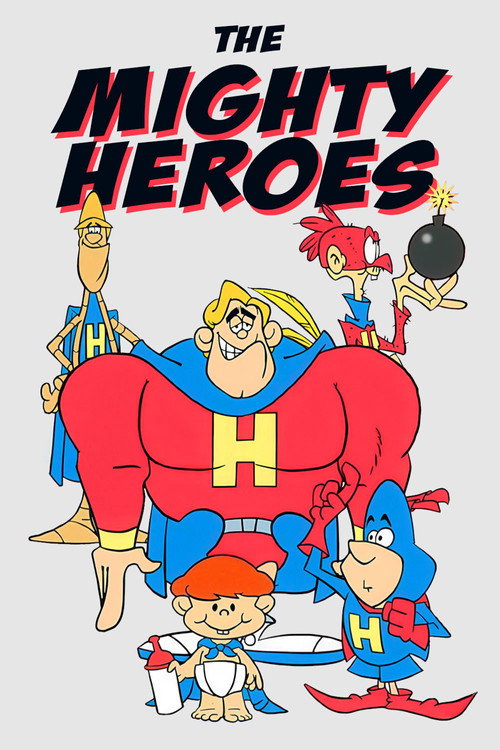
A Mighty Heroes cartoon.
1969
1970
1974
1971
1969
1971
1975
1975
No reviews yet. Be the first to share your thoughts on this movie!
Use the rating form above to leave a star rating and optional review.