Drawing Lesson #2
1985
No user ratings available yet
Representation score: 4.6 out of 10
Representation Score
Minimal
1997
UnratedDirector
Don Hertzfeldt
Runtime
13 minutes
Average Rating
No ratings yetNew Showbiz Analysis
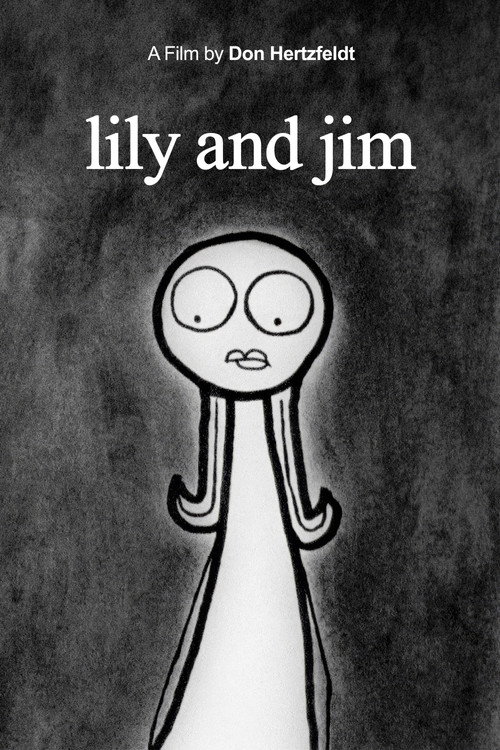
Lily and Jim focuses on minimalistic, abstract visuals that emphasize movement over social commentary. By removing the complexities of human identity, the film avoids engaging with issues of race, gender, or cultural norms. The work remains neutral, neither promoting nor criticizing traditional societal values.
Category Breakdown
The film's minimalist, abstract character designs do not indicate sexual orientation or gender identity. There are no scenes showing same-sex relationships or characters who don't identify with the gender they were assigned at birth.
The names Lily and Jim suggest a typical boy/girl pairing. However, the short runtime means characters don't develop complex social roles or performative gender behaviors.
The film uses non-humanoid, abstract forms instead of realistic figures, avoiding racial stereotypes and categorizations. It doesn't aim to highlight specific ethnic backgrounds.
The story exists in a setting without religious or cultural references, presenting a secular outlook without challenging Western societal norms.
There are no clear representations of physical, cognitive, or sensory disabilities. The abstract nature of the characters prevents any meaningful portrayal of disability experiences.
Present on Screen
Limited or Absent
Official Synopsis
A blind date ends in disaster.
1985

2012
1996
1995

2000
2010

2013

1989
No reviews yet. Be the first to share your thoughts on this movie!
Use the rating form above to leave a star rating and optional review.