Lady from Nowhere
1936
No user ratings available yet
Diversity score: 2.7 out of 10
1953
Director
Wolf Rilla
Runtime
76 minutes
Average Rating
No ratings yetSynopsis
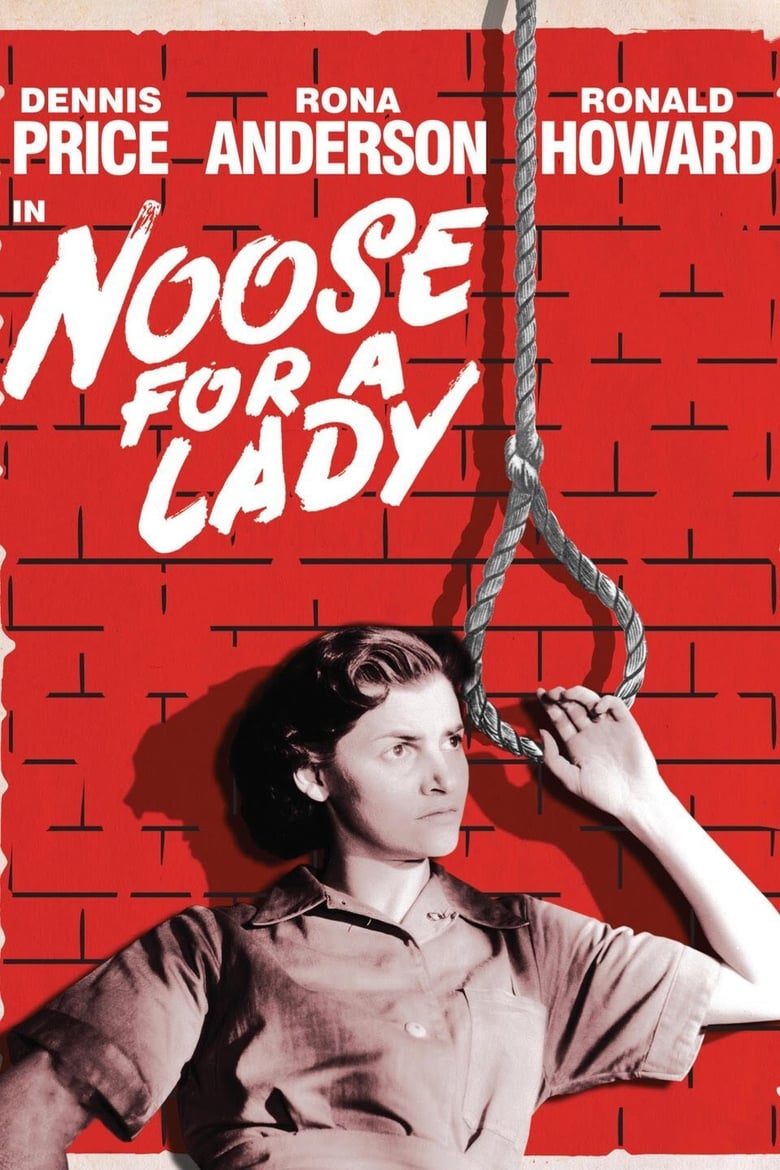
An amateur detective races against time to clear the name of his cousin, who is accused of murdering her husband. It is based on the novel Whispering Woman by Gerald Verner.
Overall Score
Limited
Category Breakdown
LGBTQ+ Representation
The film lacks any evidence of non-heteronormative identities. The narrative focus remains strictly on a familial bond between cousins and a legal crisis.
Gender Representation
A female protagonist faces the extreme stakes of a death sentence. However, the agency to resolve the crisis rests with her male cousin, reflecting traditional gender dynamics.
Racial & Ethnic Diversity
The production likely reflects the homogeneous casting norms of 1953. There is no evidence of a diverse cast within this Western-centric crime drama.
Religious & Cultural Diversity
The story explores the tension between individual innocence and state authority. It offers a subtle critique of institutional infallibility through the protagonist's struggle.
Disability Representation
There is no information available regarding the depiction of physical or neurodivergent characters in this film.
Strengths
Areas for Improvement
AI Analysis
Noose for a Lady is a mid-century crime drama that prioritizes suspenseful, character-driven plotting over intersectional representation. While the film places a woman at the center of a high-stakes moral conflict, the narrative structure follows traditional patriarchal patterns where the male relative drives the resolution. The film is a product of its 1953 temporal context, adhering to the social and narrative hierarchies of the era. It lacks visible diversity in terms of LGBTQ+ identities or racial representation, functioning instead as a conventional drama centered on individual versus systemic justice.
1936

1959
1950
1947
1950
1953
1946
1947
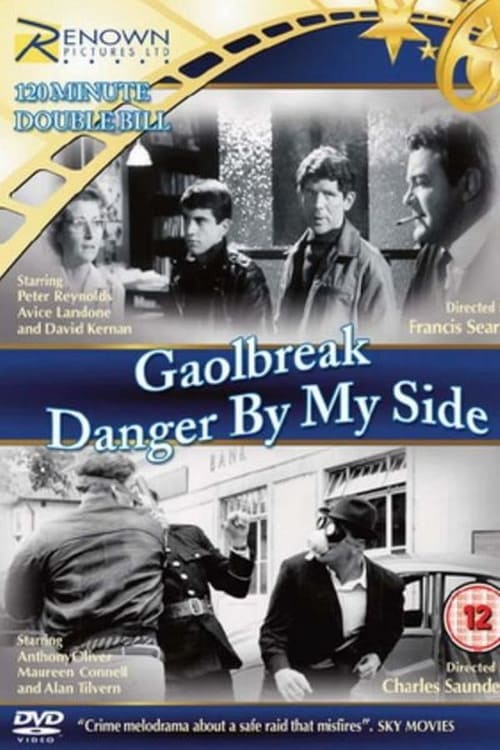
1962
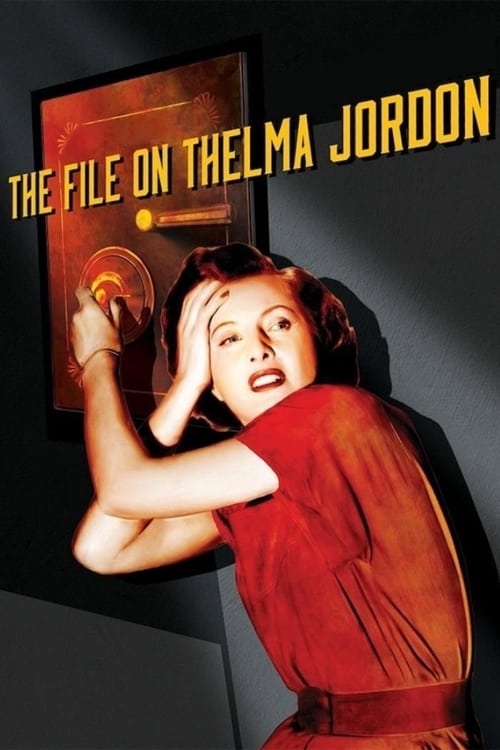
1949
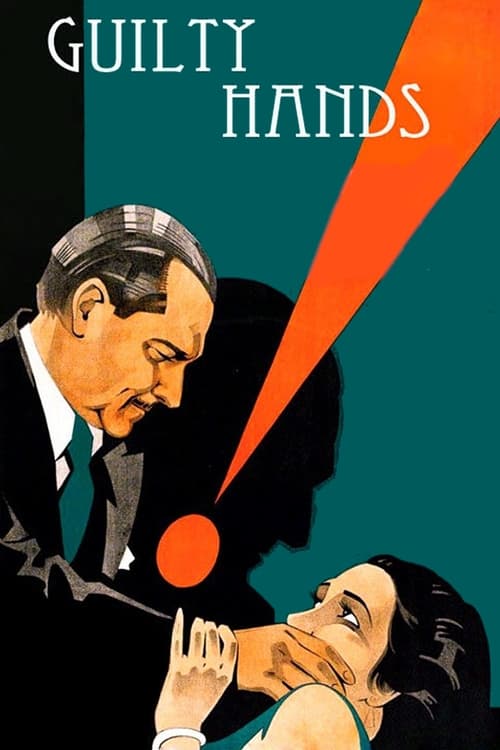
1931
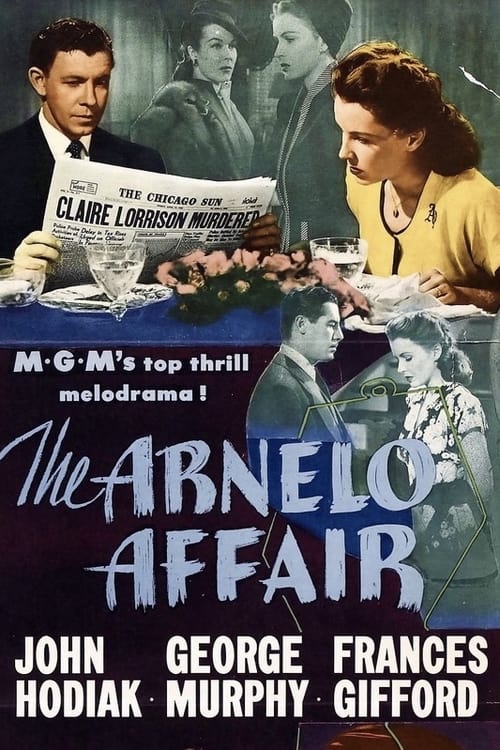
1947
No reviews yet. Be the first to share your thoughts on this movie!
Use the rating form above to leave a star rating and optional review.