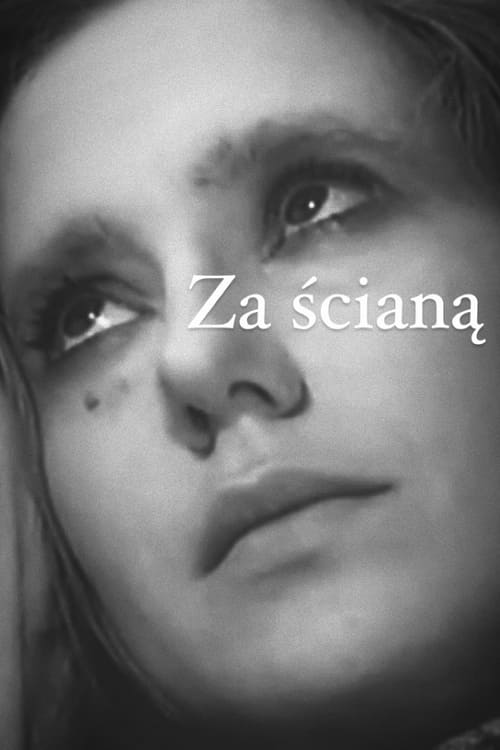
Behind the Wall
1971
No user ratings available yet
Representation score: 5.4 out of 10
Representation Score
Fair
1980
Director
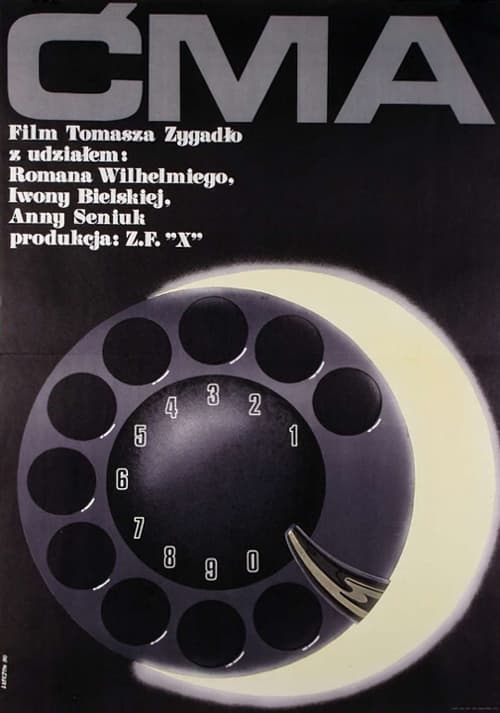
Tomasz Zygadło
Runtime
100 minutes
Average Rating
No ratings yetNew Showbiz Analysis
The Moth is a psychological character study that emphasizes existential struggle over traditional heroism. It successfully deconstructs the nuclear family and criticizes bureaucratic institutions, presenting a cynical, postmodern view of social structures. However, the film lacks broad representation of different identities and experiences. Its narrative is confined to a homogeneous social setting and a male-centric perspective, offering limited representation of racial, ethnic, or LGBTQ+ identities. Ultimately, the film excels in exploring mental health and the breakdown of domestic stability, even though it does not offer diverse demographic representation.
Category Breakdown
The film does not include any explicit LGBTQ+ characters or non-straight relationships. The story revolves around a traditional heterosexual triangle involving a husband, wife, and mistress.
The film challenges typical gender roles by showing the wife and mistress as emotionally unstable rather than nurturing figures. However, the story primarily follows a male protagonist’s psychological journey.
Given its 1980 Polish production context, the film depicts a uniform social environment. There is no indication of racial or ethnic diversity within the narrative.
The story critiques institutional indifference, focusing on individual subjective truths rather than strict professional hierarchies. It portrays the family unit as fragmented rather than a moral ideal.
Physical disabilities are not addressed, but the film delves into significant psychological distress. The protagonist's troubled state and callers' loneliness highlight mental health and instability.
Present on Screen
Limited or Absent
Official Synopsis
This is psychological drama by Tomasz Zygadlo begins as a straightforward story. Jan is the host of a nightly talk show in which he counsels people who call in with their problems. He is dedicated to helping these lonely souls but becomes increasingly disturbed when his co-workers and supervisors at the radio station do not appreciate his program; they seem unable to grasp the importance of what he is doing. Aside from that, Jan's private life is frayed around the edges. His wife is a heavy drinker and his mistress has no comprehension about who he is or what he is doing. Jan's frustration over this lack of recognition builds to an explosive level, threatening to upset the balance of his daily life.
1971

1989
1967
1985
1987
1984
1980
2016
No reviews yet. Be the first to share your thoughts on this movie!
Use the rating form above to leave a star rating and optional review.