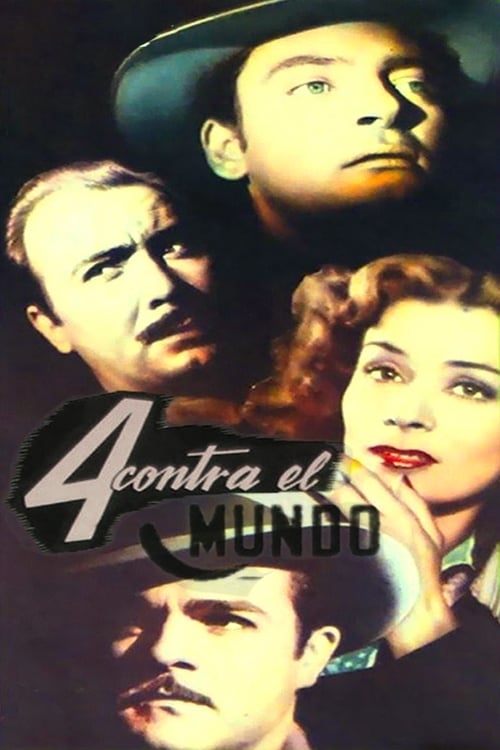
Cuatro contra el mundo
1950
No user ratings available yet
Diversity score: 5.8 out of 10
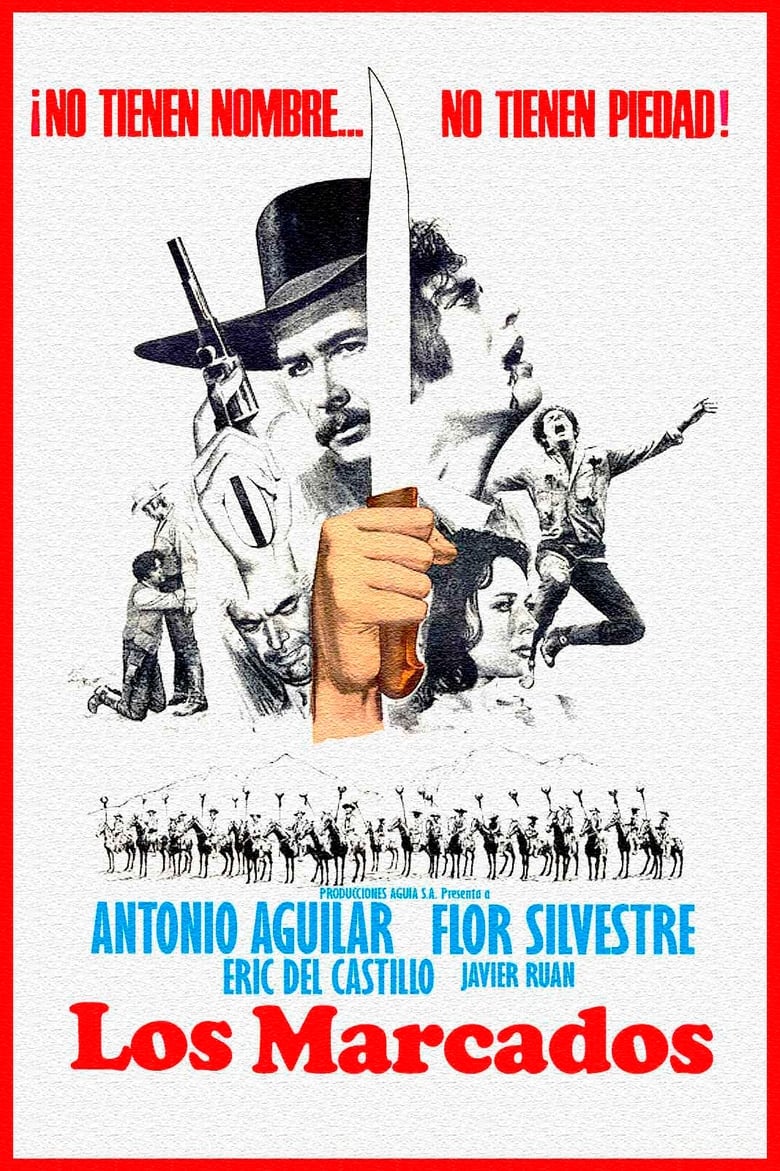
1971
Director
Alberto Mariscal
Runtime
85 minutes
Average Rating
No ratings yetSynopsis
The Kid is a vicious psychopath given to laughing a lot, an actor manqué who leads a gang of looters and rapists, and is incestuous with his father to boot. The town’s resident Mater Dolorosa, madam of the brothel, hires her lover Marcado to kill the Kid, who is of course her son.
Overall Score
Fair
Category Breakdown
LGBTQ+ Representation
The film explores transgressive sexual dynamics, specifically incestuous relationships. These depictions serve as markers of psychological deviance and moral decay rather than explorations of queer identity or non-cisnormative expression.
Gender Representation
A central female figure, the Mater Dolorosa, wields localized power as a brothel madam. However, her agency remains tied to her maternal and romantic connections within a corrupt social landscape.
Racial & Ethnic Diversity
As a Mexican production, the film centers a non-Anglo-Saxon perspective. It prioritizes indigenous and Mestizo social dynamics, offering a departure from the homogeneous casting common in Hollywood at the time.
Religious & Cultural Diversity
The narrative disrupts singular Christian morality by centering a psychopathic antagonist and a maternal figure operating outside conventional religious norms. It portrays the family unit as a site of dysfunction.
Disability Representation
The available narrative information provides no evidence regarding the portrayal of physical or neurodivergent disabilities.
Strengths
Areas for Improvement
AI Analysis
Alberto Mariscal’s work sits in a transitional space, moving away from traditional hero archetypes toward moral ambiguity. While the film lacks modern LGBTQ+ or gender-subversive agency, it provides a vital non-Western perspective on social decay. The film's strength lies in its cultural critique, using a criminal underworld to challenge the efficacy of state institutions. It replaces stable social pillars with a cynical, subjective view of justice and family trauma. However, the film's treatment of taboo subjects remains rooted in character deviance rather than identity exploration. This limits its impact regarding meaningful representation for marginalized groups.
1950
1967

1959
1981

1991

1969
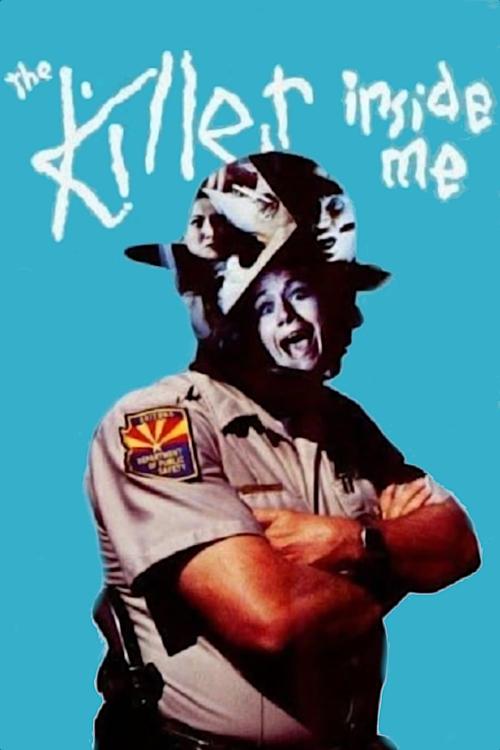
1976

2021
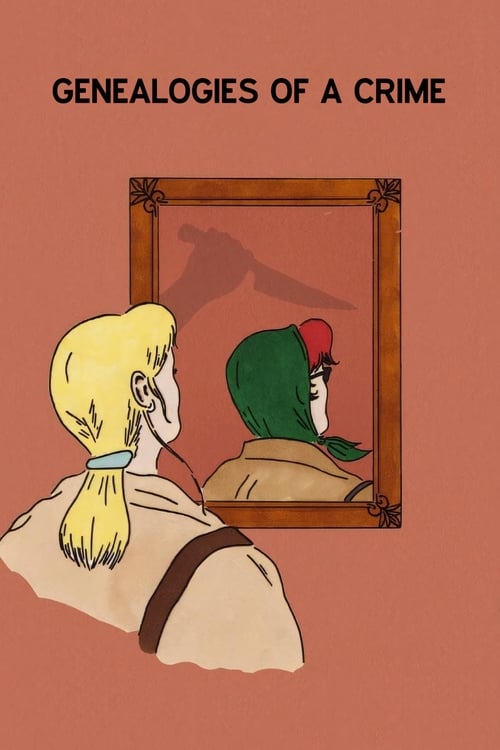
1997
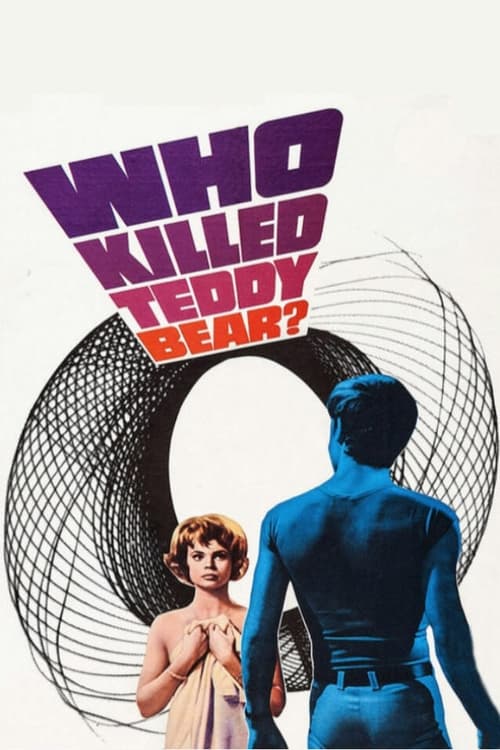
1965
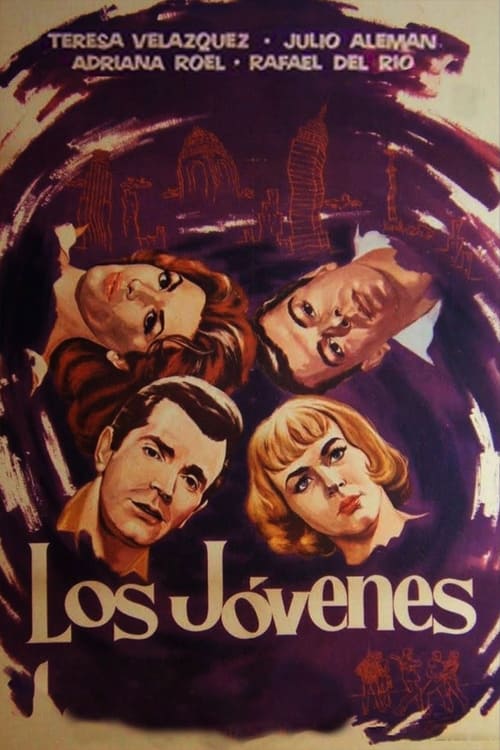
1961

1995
No reviews yet. Be the first to share your thoughts on this movie!
Use the rating form above to leave a star rating and optional review.