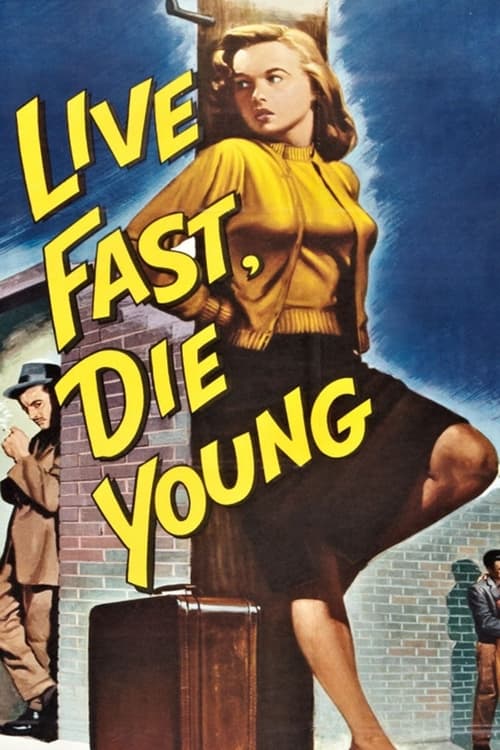
Live Fast, Die Young
1958
No user ratings available yet
Representation score: 0.4 out of 10
Representation Score
Limited
1958
NRDirector
Paul Henreid
Runtime
78 minutes
Average Rating
No ratings yetNew Showbiz Analysis
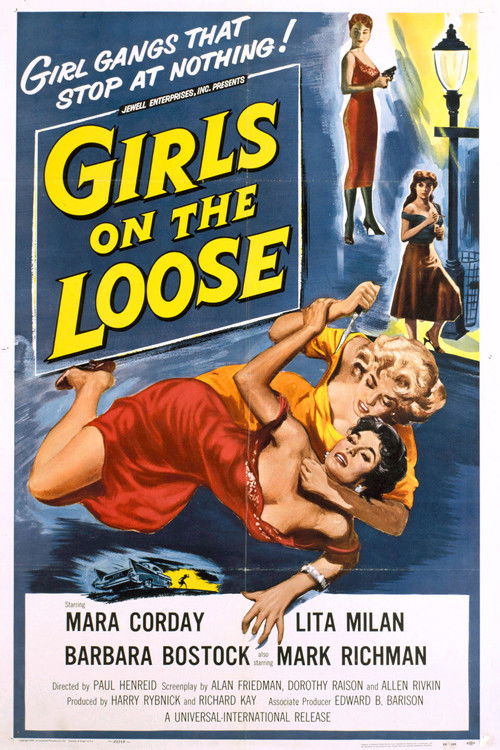
Girls on the Loose serves as a transitional piece of genre cinema. It makes a notable attempt to disrupt traditional gender hierarchies by placing women in the role of criminal protagonists, a space typically reserved for men. However, the film appears limited by the systemic constraints of the late 1950s. While the female ensemble possesses ability to act, the work lacks the complexity or broader systemic critique necessary for a more progressive rating. Ultimately, the narrative provides a moderate disruption of mid-century domestic ideals but remains largely homogeneous in its social and cultural scope.
Category Breakdown
The film does not include any LGBTQ+ identities or narratives. Given the strict censorship standards of 1958, explicit LGBTQ+ themes are unlikely to be present.
The story disrupts conventions by centering a female-led ensemble in a crime genre. Women drive the plot through a payroll robbery, but it remains unclear if this role is empowering or cautionary.
The synopsis does not indicate a diverse cast. In 1958 crime dramas, casting often leaned toward homogeneity, and there is no evidence of diverse casting here.
The film challenges social structures by portraying women engaging in anti-social behavior like theft. However, it likely remains tethered to the moral frameworks and Western institutions of its era.
There is no information available regarding the depiction of physical or neurodivergent characters in this production.
Present on Screen
Limited or Absent
Official Synopsis
A nightclub operator, her sister, a beautician and two other women rob a payroll.
1958

1955
1959

1956
1955
1953
1950
1956
No reviews yet. Be the first to share your thoughts on this movie!
Use the rating form above to leave a star rating and optional review.