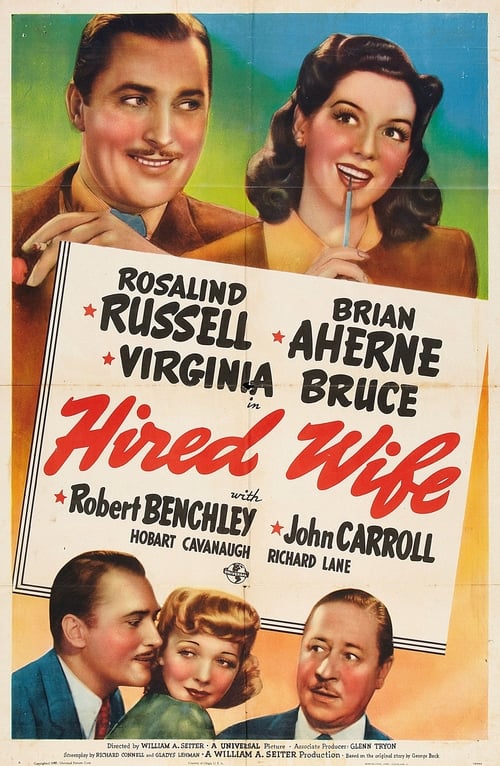
Hired Wife
1940
No user ratings available yet
Representation score: 0.4 out of 10
No Poster Available
Representation Score
Minimal
1930
PassedDirector
Alfred J. Goulding
Runtime
14 minutes
Average Rating
No ratings yetNew Showbiz Analysis
Big Money is a product of the 1930s studio system, emphasizing situational comedy over social complexity. The narrative hinges on established clichés of the era, particularly those centered around a traditional nuclear family dealing with a comedic misunderstanding. Representation is limited, as the film adheres to the homogeneous and conventional social structures of its time. Characters serve as archetypes within a domestic setting, providing little room for diverse identities or subversion of the status quo. Ultimately, the film functions as a typical period farce that avoids engaging with diversity, focusing instead on the predictable dynamics of a bumbling patriarch and his wife.
Category Breakdown
The film does not include any LGBTQ+ characters or stories related to non-cisgender identities. The plot revolves around a traditional marriage misunderstanding.
Gender roles follow typical 1930s stereotypes, featuring a clumsy patriarch and an unsuspecting matriarch. Humor centers on domestic trickery rather than empowering women.
The cast appears uniform and typical of the era's studio productions. There is no indication of racially diverse casting or non-white leads.
The story follows conventional Western social norms and situational comedy. It does not address religious critiques or systemic institutions.
The film does not feature any characters with visible or invisible disabilities. The narrative excludes neurodivergent characters.
Present on Screen
Limited or Absent
Official Synopsis
In the fifth of WB's Potter Family series, based on the characters created by J.P.McAvoy, Pa Potter (Lucien Littlefield) gets a job as a professional divorce-case correspondent. He is hired by a lawyer to make love to the wife of a man seeking a divorce. The problem is that Pa forgets to tell Ma (Lucille Ward) it is all make-believe.
1940
1935
1934

1917
1922

1926
1926

1927
No reviews yet. Be the first to share your thoughts on this movie!
Use the rating form above to leave a star rating and optional review.