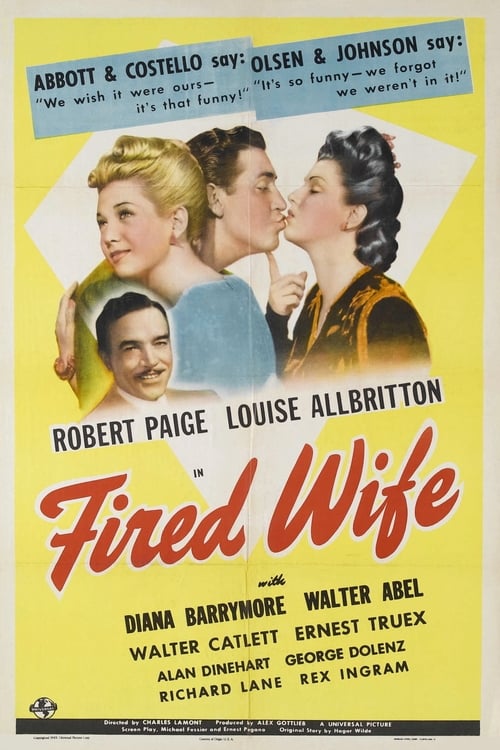
Fired Wife
1943
No user ratings available yet
Representation score: 1.1 out of 10
No Poster Available
Representation Score
Minimal
1935
ApprovedDirector
Charles Lamont
Runtime
20 minutes
Average Rating
No ratings yetNew Showbiz Analysis
Alimony Aches is a period-typical screwball comedy that reinforces mid-1930s social and domestic structures. The plot relies on a deception regarding marital status to secure alimony, a cliché that explores gendered economic roles through a transactional lens. The film lacks multi-layered complexity, focusing on individual comedic conflict within established societal norms rather than attempting to disrupt or subvert them. Ultimately, the production reflects the era's standard industry practices, prioritizing situational humor over any intentional social critique or diverse representation.
Category Breakdown
The film does not depict any non-straight relationships or same-sex intimacy. It adheres to the strict straight-centered standards typical of the 1935 Hays Code era.
The protagonist plays a significant role in driving the story through her use of legal loopholes for financial gain. However, the conflict remains rooted in traditional gendered economic roles and conventional marital structures.
There is no evidence of a diverse cast or non-Anglo-Saxon characters. The production reflects the homogeneous social norms common to 1930s studio comedies.
Themes center on individualistic, transactional morality rather than systemic critique. The narrative uses deception as a comedic device rather than challenging Western institutions or family structures.
The film provides no indication of characters with visible or invisible disabilities.
Present on Screen
Limited or Absent
Official Synopsis
Ex-wife remarries, doesn't tell husband so he'll still pay alimony.
1943

1934
1937
1938

1934
1938
1946
1939
No reviews yet. Be the first to share your thoughts on this movie!
Use the rating form above to leave a star rating and optional review.