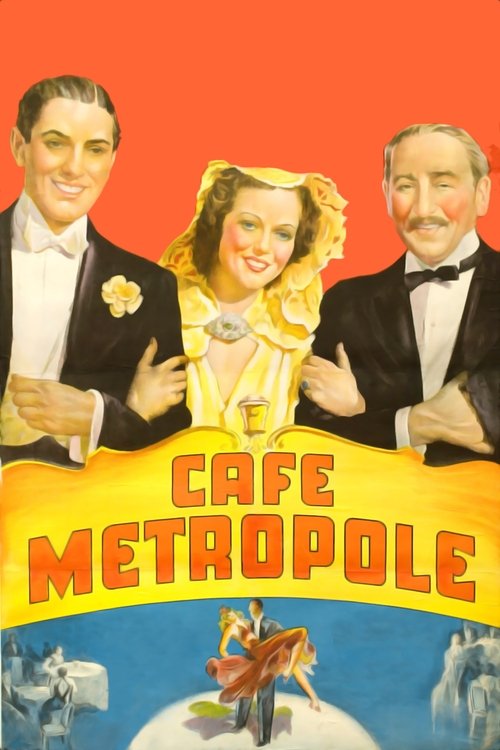
Café Metropole
1937
No user ratings available yet
Representation score: 2.5 out of 10

Representation Score
Minimal
1926
PassedDirector
Malcolm St. Clair
Runtime
82 minutes
Average Rating
No ratings yetNew Showbiz Analysis
The Show Off is a character study of social pretense that adheres to the conventional social hierarchies of the mid-1920s. The narrative focuses on a male protagonist's fraudulent lifestyle, which drives the plot through his deception of a young bride and her family. While the film offers a slight critique of masculine posturing by portraying the lead as a fraud, it lacks complexity in addressing various aspects of identity. The storytelling relies on traditional clichés regarding class and gender dynamics common to the silent comedy era. Ultimately, the film serves as a moralistic tale about dishonesty. It does not engage with diverse identities or systemic critiques, reflecting the mainstream cinematic standards of its time.
Category Breakdown
The film focuses on traditional heterosexual relationships and marriage. There are no characters with non-cisgender identities or same-sex relationships.
The story revolves around a male protagonist's deception and a young bride's family stability. Female characters mainly serve as emotional stakes rather than independent agents.
The film likely reflects the homogeneous casting norms of 1926. There is no indication of diverse ethnic representation.
The story explores socioeconomic deception and class performance. It follows traditional moralistic storytelling regarding the consequences of dishonesty.
There are no characters with visible or invisible disabilities used as central plot points or thematic elements in this production.
Present on Screen
Limited or Absent
Official Synopsis
A blowhard who poses as a railroad executive (but is really just a $30-a-week clerk) catches a young bride and then drives her family's finances to the brink of ruin.
1937

1926
1926

1928
1934
1932
1934
1919
No reviews yet. Be the first to share your thoughts on this movie!
Use the rating form above to leave a star rating and optional review.