
The Army Game
1960
No user ratings available yet
Representation score: 1.1 out of 10
Representation Score
Minimal
1937
Director
Pierre Colombier
Runtime
102 minutes
Average Rating
No ratings yetNew Showbiz Analysis
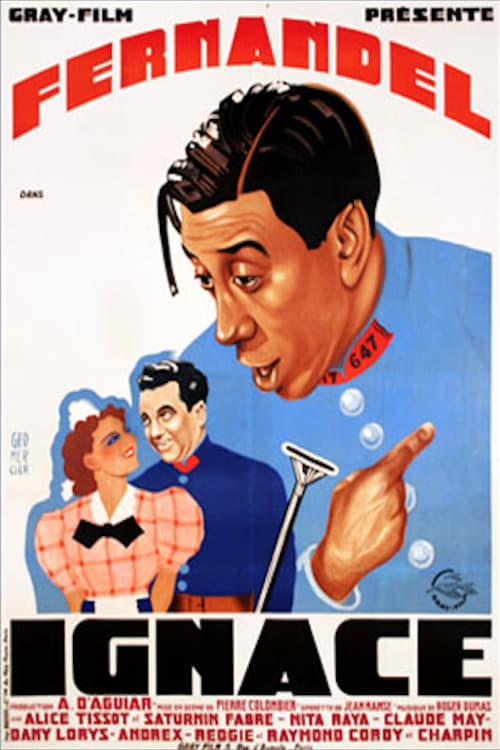
Ignace reflects the social hierarchies and demographic homogeneity of 1937 France. The comedy relies on established military and domestic clichés that reinforce traditional power dynamics rather than subverting them. The film lacks representation for LGBTQ+ identities and diverse ethnic groups. Its narrative centers on a protagonist navigating a conventional military environment, limiting its scope of cultural or social diversity. While the protagonist's lack of intelligence serves as a comedic engine, female characters are primarily defined by their relationships to men. This narrows the depiction of gender roles and social ability to act.
Category Breakdown
The film does not include any characters with non-straight or non-cisgender identities. It focuses on traditional military and family settings typical of the time.
Female characters serve mainly as comedic obstacles or sources of conflict. The story relies on traditional gender stereotypes and reinforces patriarchal structures through its focus on the colonel's wife.
The story reflects the demographic uniformity of 1930s France. There is no indication of diverse ethnic identities or race-bent casting within the provided premise.
The setting highlights Western military traditions and established social hierarchies. The comedy operates within conventional mid-century European frameworks rather than challenging institutional norms.
There is no mention of characters with visible or invisible disabilities. The narrative does not address neurodivergence or chronic illness.
Present on Screen
Limited or Absent
Official Synopsis
Ignace Boitaclou, although sympathetic, is not very intelligent. Upon his arrival at the barracks to perform his military service, he was appointed colonel and had to take care of the latter's terrible wife.
1960
1968
1933
1965
1979
1981
1936
1927
No reviews yet. Be the first to share your thoughts on this movie!
Use the rating form above to leave a star rating and optional review.