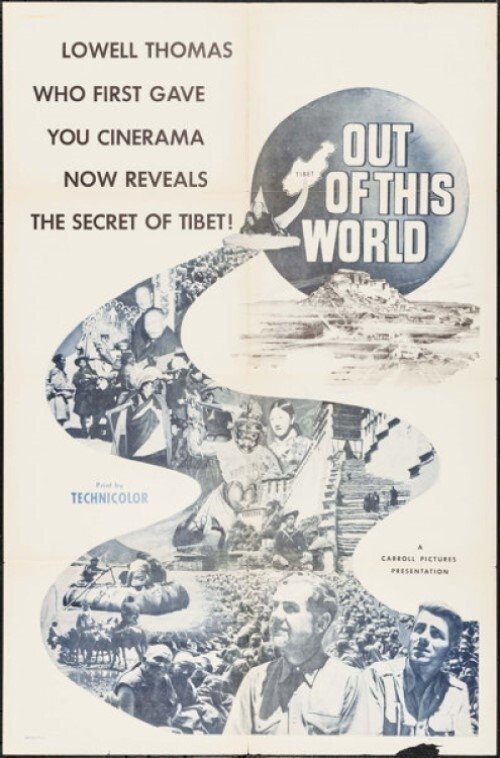
Out of This World
1954
No user ratings available yet
Representation score: 3.8 out of 10
Representation Score
Limited
1956
Director
Hans Nieter
Runtime
79 minutes
Average Rating
No ratings yetNew Showbiz Analysis
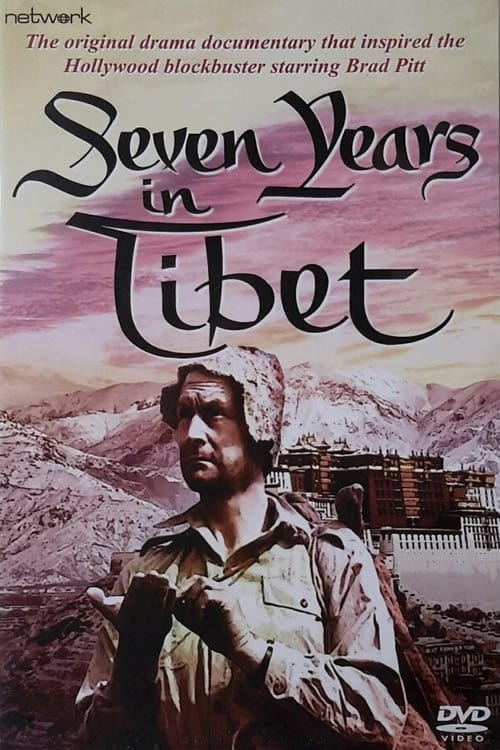
Seven Years in Tibet functions as a mid-century ethnographic record. While it offers valuable visual documentation of Tibetan culture and religious practices, its narrative structure is inherently Western-centric. The story revolves around the personal experiences and survival of an Austrian climber. The documentary captures key cultural moments, such as the Dalai Lama's escape from Chinese occupation. However, these events are observed from an outsider's perspective rather than a collaborative or decentralized one. Overall, the film upholds traditional mid-century clichés, granting narrative ability to act primarily to the male European protagonist and positioning the local population as subjects of an ethnographic study.
Category Breakdown
The film does not include any visible LGBTQ+ characters or stories about non-assuming gender matches what was assigned at birth identities.
The narrative focuses on the male protagonist, Heinrich Harrer, emphasizing traditional masculine traits like survival and endurance.
The documentary showcases Tibetan culture visually. However, the perspective is centered on a Westerner's journey through an exotic landscape.
The film captures Tibetan religious ceremonies and the Dalai Lama's escape. It presents these events from a Western memoir perspective.
There are no specific depictions of disabilities that play a central role in the story or drive the narrative.
Present on Screen
Limited or Absent
Official Synopsis
Heinrich Harrer, an Austrian moutain climber, escapes from a British POW camp in India and flees north across the Himalayan mountains into Tibet. There he meets and befriends the young Dalai Lama.
1954

1935
1989

2013
2010

2016

2007
1997
No reviews yet. Be the first to share your thoughts on this movie!
Use the rating form above to leave a star rating and optional review.