Tibet: The Survival of the Spirit
1989
No user ratings available yet
Representation score: 5.7 out of 10
Representation Score
Limited
1954
ApprovedDirector
Lowell Thomas Jr, Lowell Thomas
Runtime
75 minutes
Average Rating
No ratings yetNew Showbiz Analysis
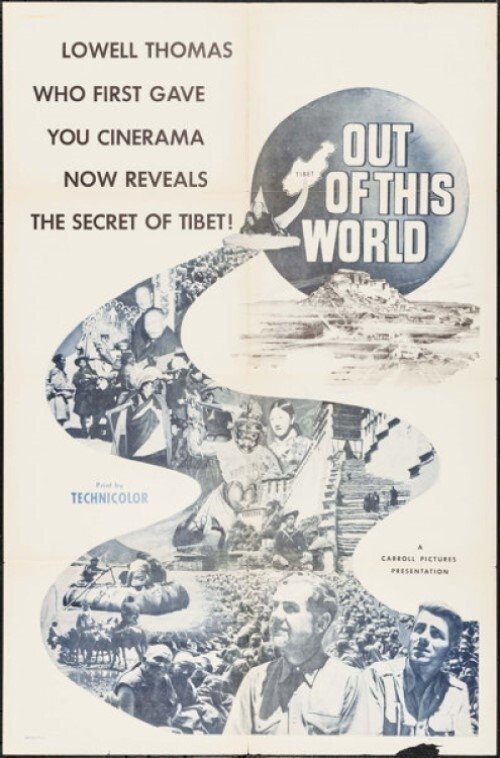
Out of This World serves primarily as a historical and ethnographic archive. Its strength lies in documenting Tibetan culture and people before major geopolitical changes, providing a unique glimpse into a non-Western society. By centering a underrepresented ethnic group, it challenges the Western-centric media of the 1950s. However, the film lacks intentional narrative depth regarding social identity. It operates as an observational record rather than a tool for deconstructing hierarchies. Consequently, it does not represent LGBTQ+ identities or provide significant gender ability to act, reflecting the conventional social structures of both the subject matter and the era. Ultimately, the film is a valuable cultural document but falls short of modern narrative techniques needed to address diverse social identities actively.
Category Breakdown
The documentary does not include any LGBTQ+ characters or narratives, sticking to the social norms of the mid-20th century.
The film likely reflects the strict gender roles of 1949 Tibet. There is no indication of women having significant influence or challenging traditional societal roles.
The film centers a non-Western population, offering significant visibility to Tibetan people and disrupting the Western-centric perspective of the time.
The work provides insight into a highly spiritual society outside Western secular traditions. However, the portrayal may lean towards an exoticized view of Eastern cultures.
There is no evidence that disability or neurodivergence plays a central role or feature in this documentary.
Present on Screen
Limited or Absent
Official Synopsis
Filmed in 1949 when Lowell Thomas and Lowell Thomas Jr. took a journey to Tibet before the Chinese had moved in. It shows Tibet as it was then and, for that matter, as it had been for centuries.
1989

1935
2002
2014
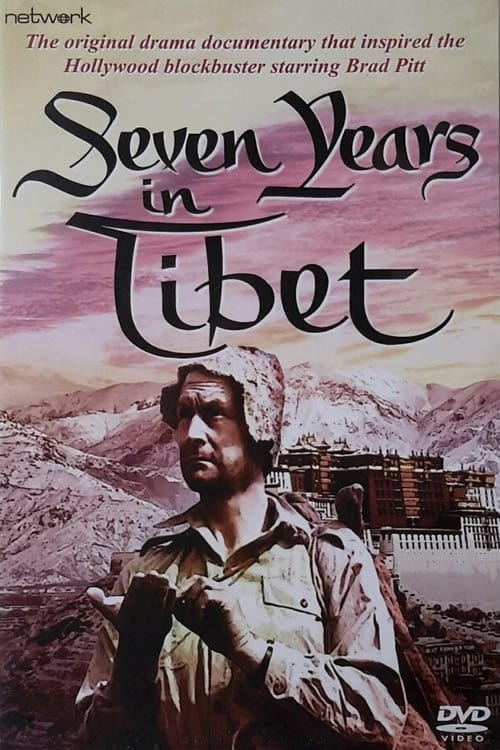
1956
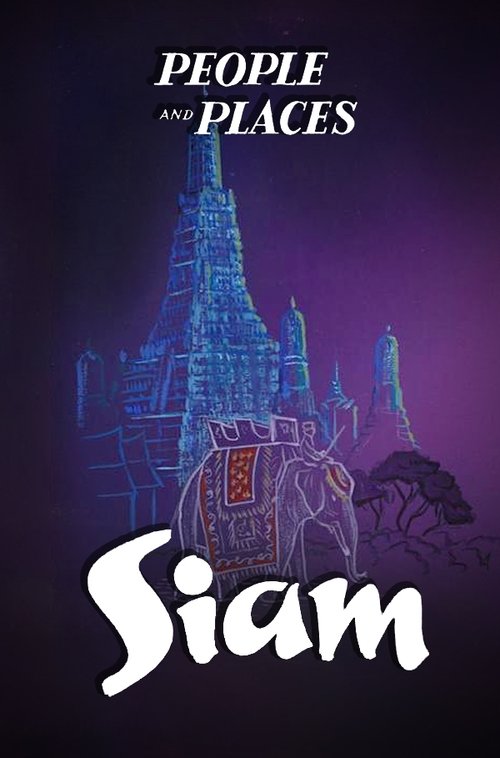
1954
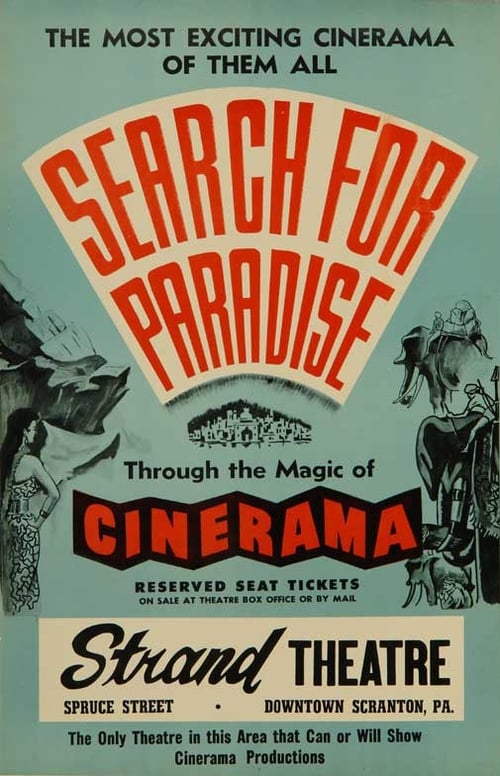
1957
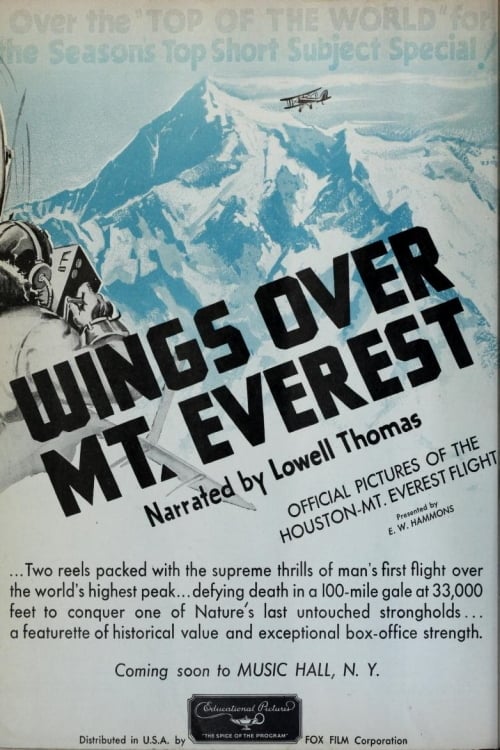
1934
No reviews yet. Be the first to share your thoughts on this movie!
Use the rating form above to leave a star rating and optional review.