Vegetable Vaudeville
1951
No user ratings available yet
Diversity score: 1.5 out of 10
1953
ApprovedDirector
Izzy Sparber
Runtime
7 minutes
Average Rating
No ratings yetSynopsis
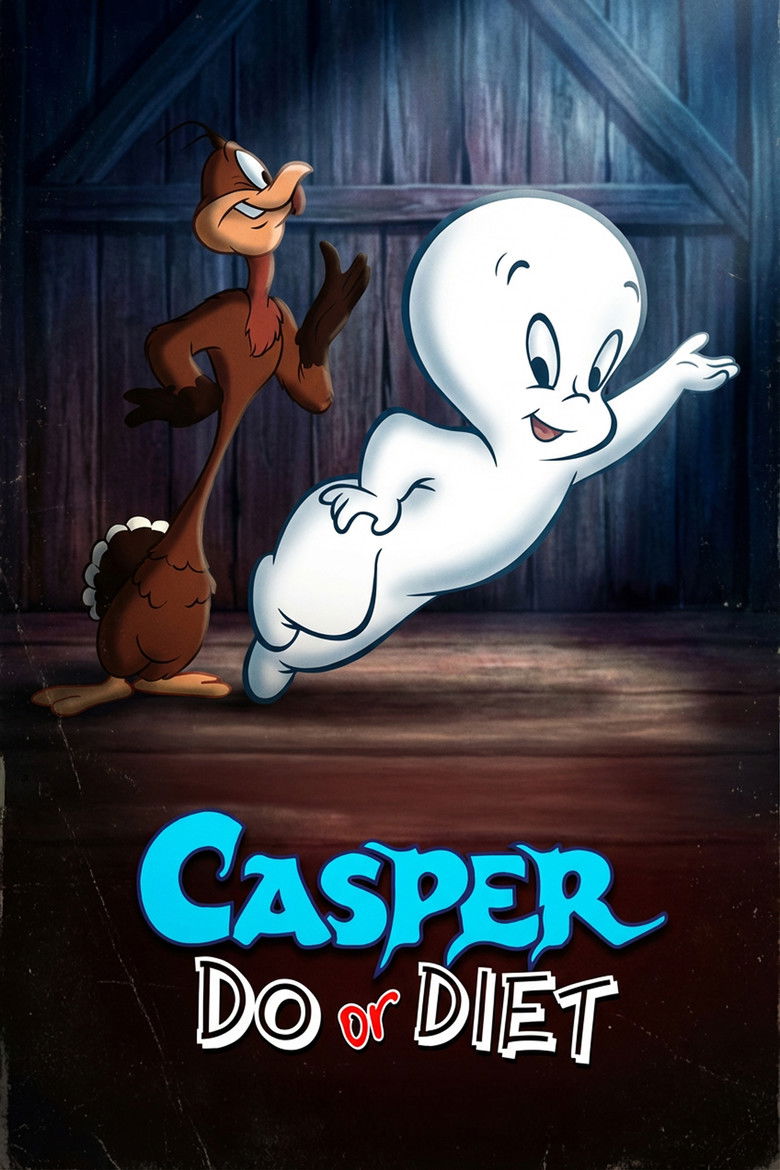
As usual, Casper, the Friendly Ghost, is out to make friends but the only creature willing to respond is a fat turkey worrying his wattles off about the upcoming Thanksgiving Day.
Overall Score
Minimal
Category Breakdown
LGBTQ+ Representation
The film lacks any presence of non-cisnormative identities or same-sex intimacy. The interaction between a ghost and a turkey provides no platform for queer visibility.
Gender Representation
The cast consists of non-human and supernatural entities, precluding an analysis of gender hierarchies. No female characters with agency or intellect are present.
Racial & Ethnic Diversity
The narrative relies on anthropomorphic animals and a supernatural entity. There is no indication of a multi-ethnic cast or the blending of racial identities.
Religious & Cultural Diversity
The plot centers on the Thanksgiving holiday, adhering to traditional Western seasonal celebrations. It operates within the conventional cultural expectations of the 1950s.
Disability Representation
There is no indication of characters possessing visible or invisible disabilities. Motivations are driven by social desire and survival instinct rather than navigating disability.
Strengths
Areas for Improvement
AI Analysis
Do or Diet is a mid-century animated short that prioritizes situational comedy over social commentary. The narrative focuses on a singular, fable-like interaction between Casper the Friendly Ghost and a turkey fearing for its life during Thanksgiving. Because the characters are non-human or supernatural, the film avoids traditional explorations of gender, race, or sexual orientation. It functions as a standard comedic trope of its era, centered on seasonal themes rather than intersectional representation. Ultimately, the work reflects the storytelling constraints of 1953, offering a narrow focus on holiday-themed humor without attempting to disrupt social hierarchies.
1951
1957
1951
1952
1947
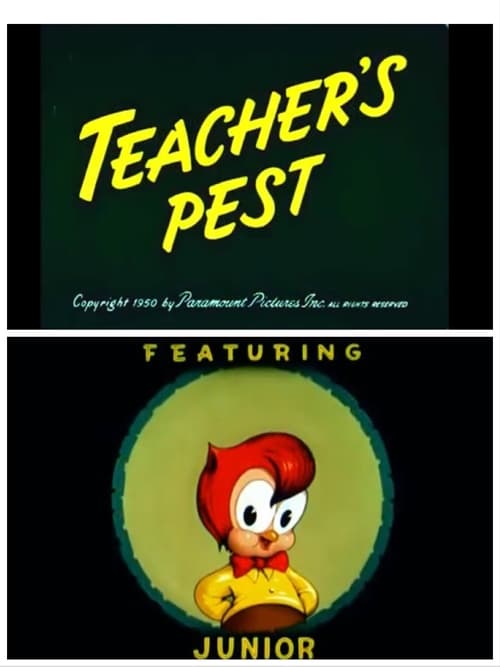
1950
1958
1954
1946
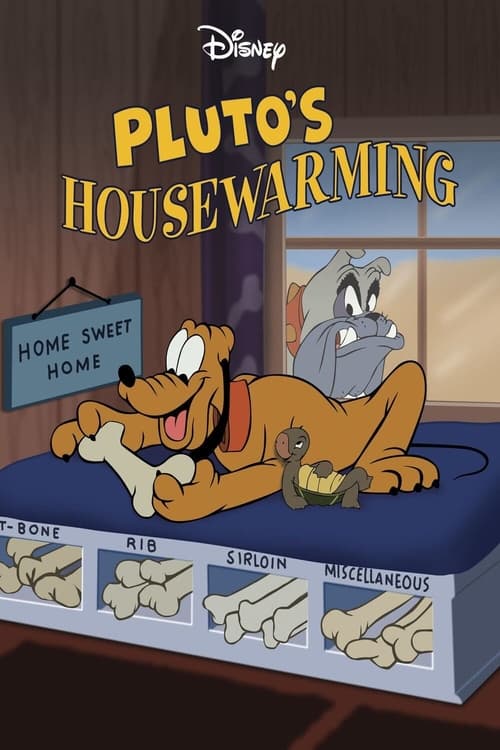
1947
1955
1956
No reviews yet. Be the first to share your thoughts on this movie!
Use the rating form above to leave a star rating and optional review.