
Wedding Association
2013
No user ratings available yet
Representation score: 3.2 out of 10

Representation Score
Good
1978
Director
Atıf Yılmaz
Runtime
83 minutes
Average Rating
No ratings yetNew Showbiz Analysis
Atıf Yılmaz uses sharp social satire to deconstruct traditionalist frameworks and systemic oppression. The film's strength lies in its ability to challenge the toxic, honor-based masculinity prevalent in its rural setting. By framing the protagonist's politeness as a form of rebellion, the narrative disrupts conventional expectations of male leadership. This provides a sophisticated critique of how communal 'justice' and tribal laws stifle individual freedom. However, the film lacks modern multi-layered markers. There is no engagement with LGBTQ+ themes or significant representation of disability, as the focus remains on class and patriarchal structures.
Category Breakdown
The film does not include any LGBTQ+ characters or non-cisgender identities. The narrative focuses solely on the socioeconomic and patriarchal structures of a rural Anatolian village.
The story challenges traditional gender hierarchies by centering a protagonist who rejects aggressive, 'macho' masculinity. It also criticizes the limited opportunities available to women within the village's patriarchal system.
Set in rural Turkey, the film depicts a culturally homogeneous environment. It prioritizes the exploration of class and tribal identity over multi-ethnic representation.
The film offers a powerful critique of the 'honor' system and tribal law. It portrays traditional village authority and outdated customs as corrupt and oppressive forces.
There is no meaningful depiction of physical or neurodivergent disabilities. Character struggles are defined by socioeconomic status and social codes rather than health conditions.
Present on Screen
Limited or Absent
Official Synopsis
To bid for his beloved's hand in marriage, poor villager Feyzo must come up with an enormous dowry to appease her father.
2013
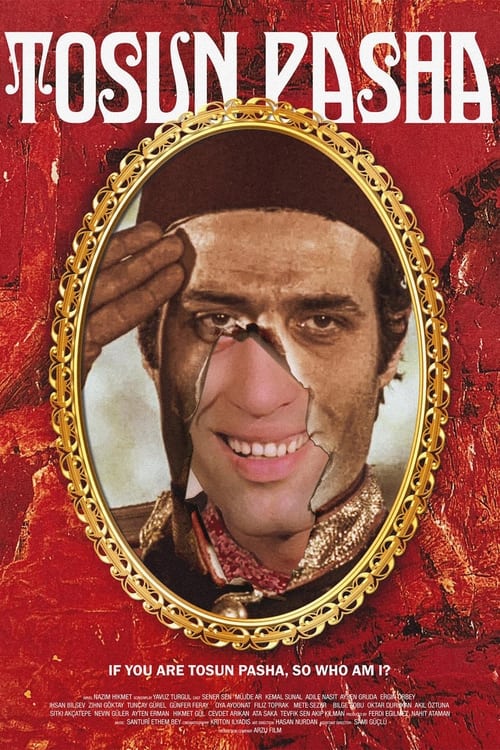
1976

1984

2009

1974
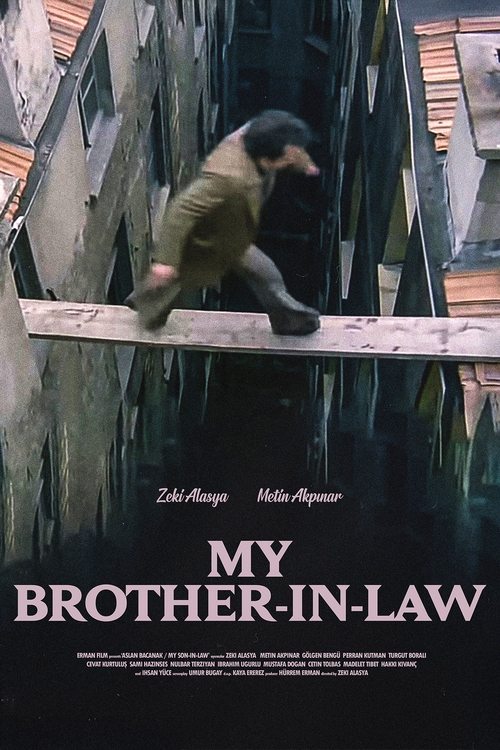
1977
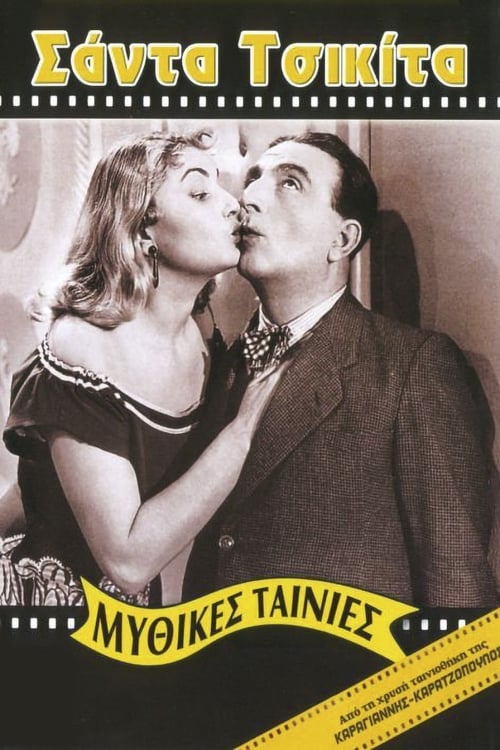
1953
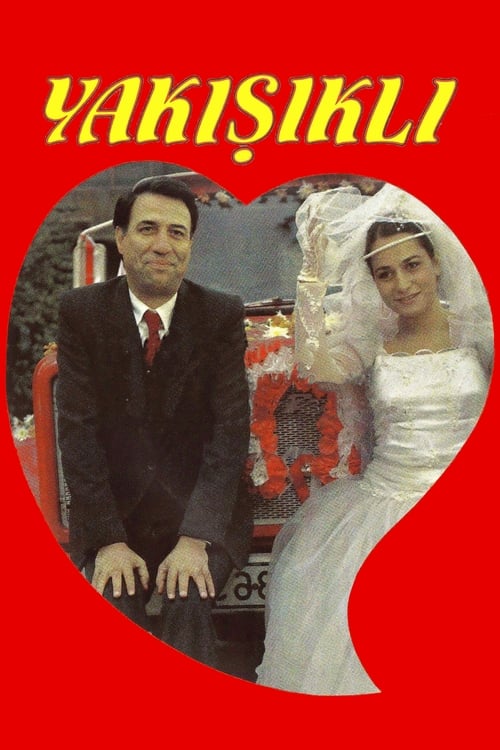
1987
No reviews yet. Be the first to share your thoughts on this movie!
Use the rating form above to leave a star rating and optional review.