
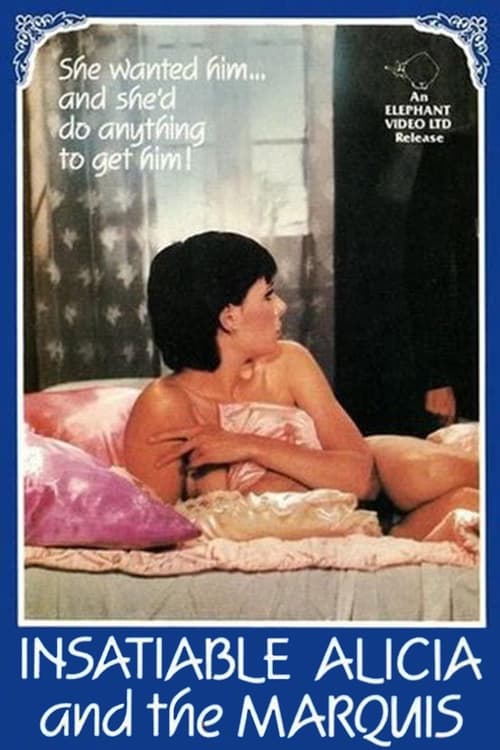
Once Upon a Scoundrel
1974
No user ratings available yet
Representation score: 3.2 out of 10
Representation Score
Limited
1983
Director
Alfonso Balcázar
Runtime
72 minutes
Average Rating
No ratings yetNew Showbiz Analysis
The film serves as a moderately inclusive work for its time, primarily through its engagement with gender identity. The presence of a 'travesti' character disrupts traditional gender presentation, even if the narrative intent is tied to comedic clichés. However, the work remains largely tethered to traditional narrative structures. The plot focuses on class performance and romantic deception rather than providing deep multi-layered complexity or systemic critique. Ultimately, the film functions as a period comedy centered on social climbing. It explores individual romantic outcomes within a localized, homogeneous cultural setting.
Category Breakdown
The film includes a 'travesti,' suggesting the presence of gender-nonconforming identities. This marks a departure from strictly straight-centered casting for 1983 Spanish cinema, although the extent of the character's influence remains unclear.
Alicia uses deception to navigate a patriarchal social hierarchy, demonstrating a significant role in driving the story. However, her motivations are tied to traditional romantic pursuits and the conquest of a Marquis.
The film appears to reflect a homogeneous European social structure. There is no evidence of non-white casting or the use of non-human species as racial metaphors.
The film critiques the authenticity of class markers through themes of social mobility. It operates within established social norms rather than prioritizing secularism or systemic institutional critique.
There are no visible or invisible disabilities mentioned or depicted within the character arcs.
Present on Screen
Limited or Absent
Official Synopsis
Alice meets with his uncle in the castle where he works as a servant. She pretends to be rich to conquer the marquis but Alicia fall in love with the groom.
1974
1981
1932

1993

1936

2013
1940
1976
No reviews yet. Be the first to share your thoughts on this movie!
Use the rating form above to leave a star rating and optional review.