The Roof
1933
No user ratings available yet
Representation score: 1.4 out of 10
Representation Score
Limited
1933
NRDirector
Phil Rosen
Runtime
72 minutes
Average Rating
No ratings yetNew Showbiz Analysis
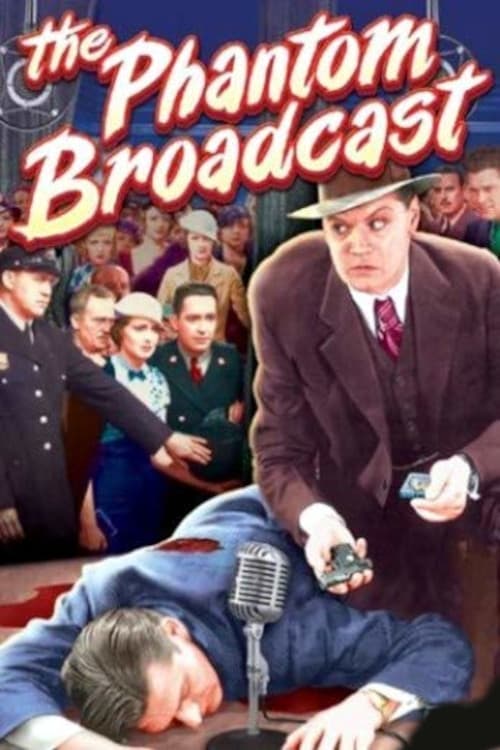
The Phantom Broadcast is a period-typical crime mystery that reinforces traditional social and physical hierarchies. It relies on established 1930s clichés, such as the charismatic but flawed protagonist and the underrepresented laborer. While the film introduces psychological complexity through the 'hidden talent' cliché and themes of deception, it fails to disrupt conventional social structures. The narrative prioritizes melodrama over the deconstruction of identity or power dynamics. Ultimately, the work reflects the systemic limitations of early studio filmmaking, offering little meaningful characters who reflect more than one aspect of diversity.
Category Breakdown
The film follows a conventional framework where everyone is assumed to be straight. The central conflict revolves around a romantic triangle involving two men and a single female love interest.
The female character serves primarily as a passive object of desire contested by men. Power dynamics remain centered on male competition and the exploitation of the accompanist.
The narrative suggests a standard, Eurocentric social hierarchy typical of 1933 Hollywood. There is no evidence of diverse racial or ethnic casting in the ensemble.
The story explores moral ambiguity through deception and class disparity. However, it remains rooted in traditional Western narrative structures regarding fame and romantic possession.
The accompanist is defined by his hunchbacked physical condition. This characterization risks using disability as mere visual shorthand for social exclusion or narrative pathos.
Present on Screen
Limited or Absent
Official Synopsis
A handsome radio singer has it all--fame, money, adoring fans--but what no one knows is that his accompanist, a hunchbacked piano player, is actually the voice behind the arrogant, abusive "singer"'s fame. The two men fall for the same girl, and when the singer turns up dead, suspicion falls upon his assistant and the girl.
1933
1933
1941
1933
1937
1929
1938
1932
No reviews yet. Be the first to share your thoughts on this movie!
Use the rating form above to leave a star rating and optional review.