Midnight Mystery
1930
No user ratings available yet
Representation score: 2.0 out of 10
Representation Score
Fair
1932
Director
Jean Renoir
Runtime
75 minutes
Average Rating
No ratings yetNew Showbiz Analysis
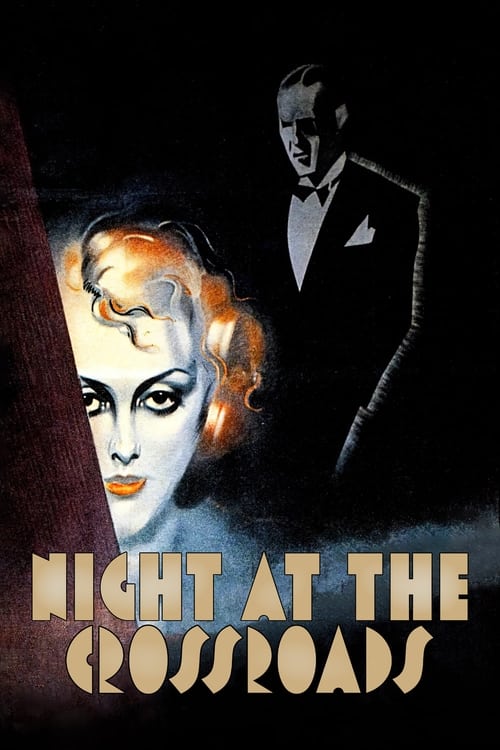
Night at the Crossroads is a period-specific crime drama that emphasizes psychological depth over diverse demographic representation. While it does not explicitly represent underrepresented groups, it benefits from Jean Renoir's humanistic approach and rejection of rigid social hierarchies. The film's strength lies in its nuanced exploration of human fallibility and moral complexity. However, it remains confined by the genre conventions of 1932, with a focus on a male-driven plot and a limited demographic range.
Category Breakdown
The film follows a traditional crime procedural format without any explicit depiction of LGBTQ+ characters or non-straight relationships.
Inspector Maigret, a male authority figure, leads the investigation. Female characters have psychological depth, but the plot remains centered on a male-driven storyline.
The film is set in a European context with a Dutch diamond dealer. The cast reflects the typical demographic composition of early 1930s European cinema.
The film explores moral complexity through themes of insurance fraud and stolen property. It avoids simplistic morality, focusing instead on human fallibility and systemic issues.
There are no characters with visible or invisible disabilities mentioned in the narrative.
Present on Screen
Limited or Absent
Official Synopsis
Inspector Maigret investigates the mysterious murder of a Dutch diamond dealer, found dead in a stolen car. The car belongs to an insurance agent, Michonnet, and has been abandoned in the garage belonging to Carl Andersen.
1930
1937

1930
1939
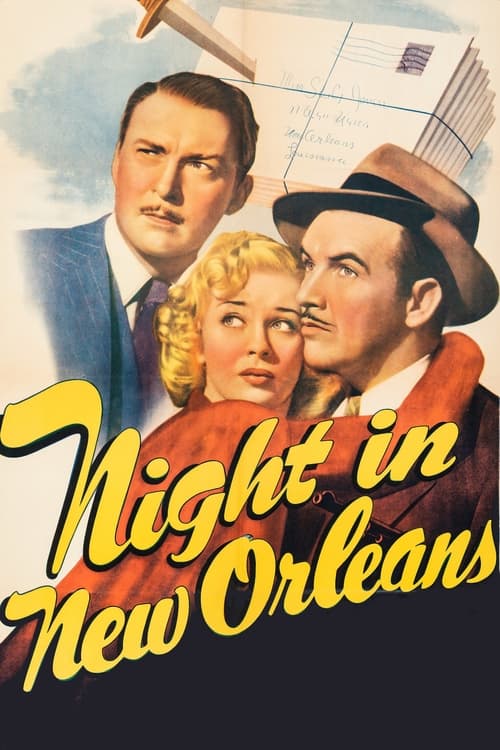
1942
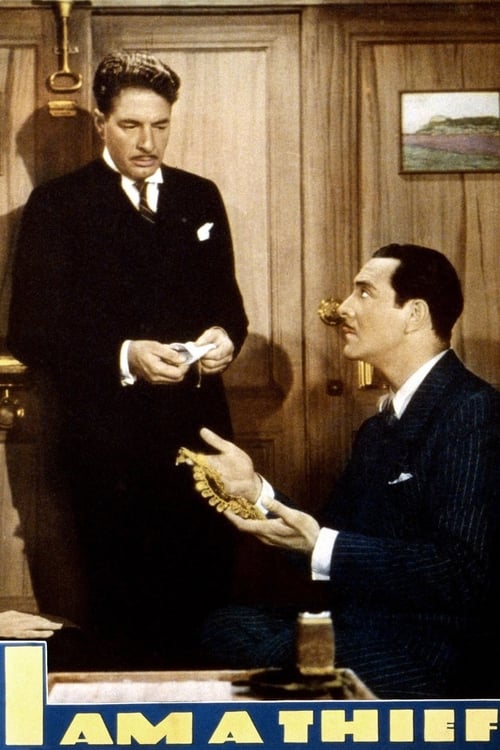
1934
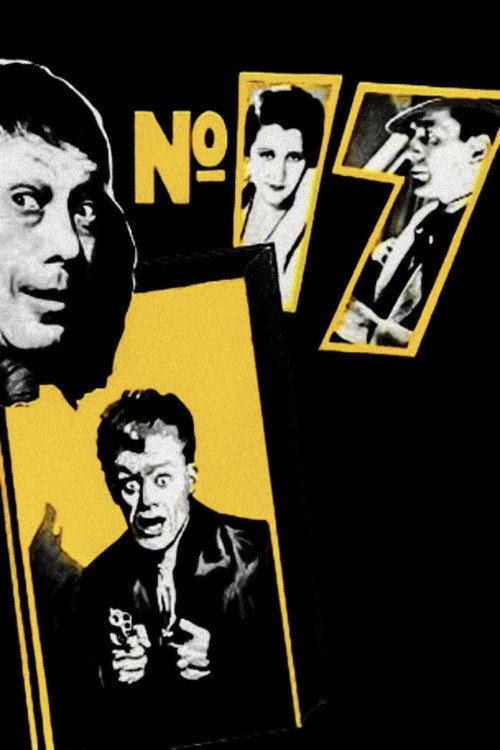
1932
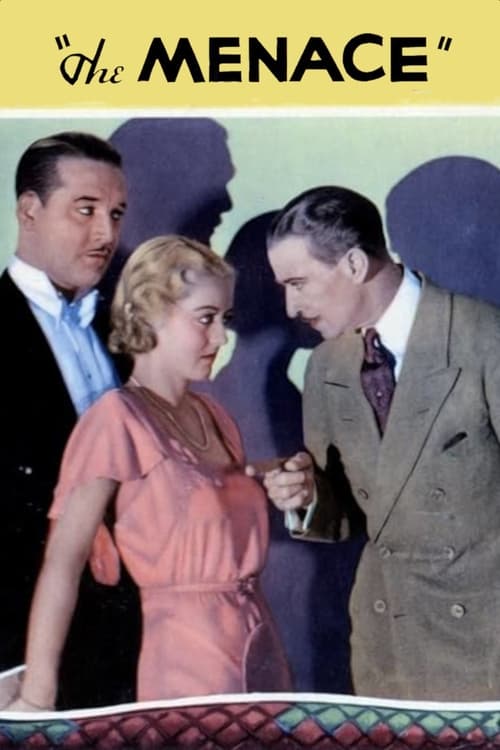
1932
No reviews yet. Be the first to share your thoughts on this movie!
Use the rating form above to leave a star rating and optional review.