
Prostitution
2016
No user ratings available yet
Representation score: 1.8 out of 10
Representation Score
Good
1986
Director
Sølve Skagen
Runtime
109 minutes
Average Rating
No ratings yetNew Showbiz Analysis
Hard asfalt is a gritty social realist drama that finds its strength in subverting traditional gender roles. By centering on a woman's survival through addiction and sex work, it deconstructs the myth of the stable, patriarchal family unit. However, the film lacks breadth in other areas of representation. It operates within a very homogeneous Norwegian social context, offering little in the way of racial or LGBTQ+ diversity. Ultimately, the film is a study of systemic vulnerability. It trades sanitized morality for a cynical, realistic look at how social instability impacts the individual.
Category Breakdown
The film focuses on a heterosexual relationship centered around marriage and motherhood. There are no indications of queer subtexts or non-straight identities.
The movie centers on a female protagonist who navigates systemic failures and socioeconomic hardships. It challenges traditional domestic roles by highlighting the failure of male figures and the protagonist's resilience.
This Norwegian drama seems to focus on a homogeneous social environment. There is no indication of racial diversity or non-majority casting.
The film critiques traditional Western institutions by depicting the nuclear family as a source of trauma. It rejects redemptive narratives in favor of a realistic portrayal of social struggles.
The story highlights themes of substance abuse and alcoholism. These elements depict chronic health issues and behavioral dependencies.
Present on Screen
Limited or Absent
Official Synopsis
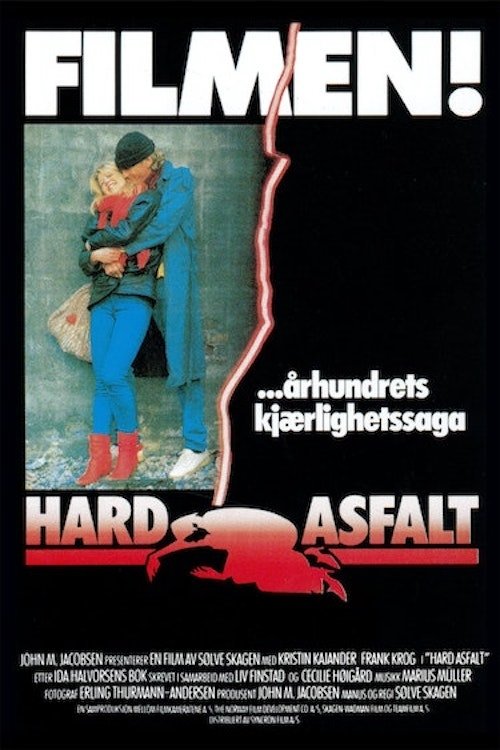
This melodrama is based on the best-selling autobiography of Ida Halvorsen, a part-time prostitute with a life that was difficult to survive. Ida (Kristin Kajander) grew up with an alcoholic father, and after she married an alcoholic, her life went from early marital bliss to misery. She had a child during that marriage, took drugs, and turned to prostitution to get the money she needed. Along the way, many characters she met were dangerous and in more than one instance almost killed her. For Norwegians who are familiar with her story, the ending to the film will be recognized as incomplete, the story continues. For other audiences the ending might be a little grim.
2016

1962

1997

2002

1988
1971

2016

1989
No reviews yet. Be the first to share your thoughts on this movie!
Use the rating form above to leave a star rating and optional review.