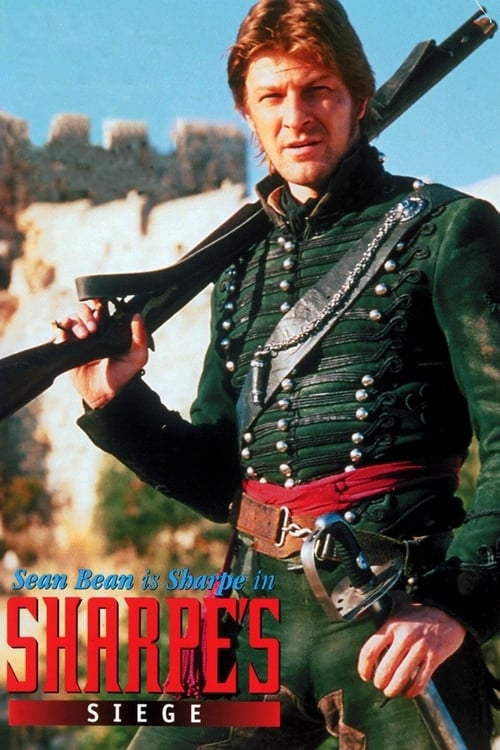
Sharpe's Siege
1996
No user ratings available yet
Representation score: 0.3 out of 10

Representation Score
Minimal
1997
TV-14Director
Tom Clegg
Runtime
101 minutes
Average Rating
No ratings yetNew Showbiz Analysis
Sharpe's Waterloo is a traditional period piece that emphasizes historical realism over contemporary social issues. It reinforces the established hierarchies of the Napoleonic era without challenging them. The film's lack of diversity is due to its adherence to 19th-century social structures. It presents a world defined by patriarchal norms, racial homogeneity, and rigid class distinctions, offering little room for perspectives that reflect multiple aspects of identity. While the film accurately portrays the British Army of the Napoleonic era, it does not attempt to deconstruct or critique the institutions it depicts. It remains a conservative historical narrative.
Category Breakdown
The film follows strict 19th-century social norms and does not depict any LGBTQ+ identities or same-sex relationships. It emphasizes traditional masculine bonds among soldiers.
The story focuses primarily on male characters, particularly the officers. Women are mainly shown in domestic or supporting roles, with limited ability to act.
The cast is predominantly white Europeans, reflecting the historical context of the 1815 British Army. There are no non-Anglo-Saxon characters with significant roles in the story.
The film highlights traditional military discipline and British command structures. It portrays class distinctions through historical realism without critiquing systemic oppression.
The film does not significantly address neurodivergence or visible disabilities. Characters with disabilities are implied but do not have prominent roles.
Present on Screen
Limited or Absent
Official Synopsis
Based on the novel by Bernard Cornwell, "Sharpe's Waterloo" brings maverick British officer Lt. Col. Richard Sharpe to his last fight against the French, in June of 1815.
1996
1970
1993
1979
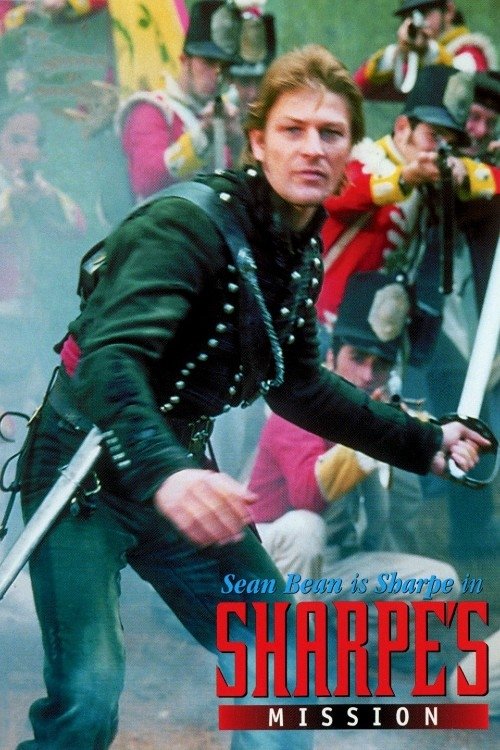
1996
1989
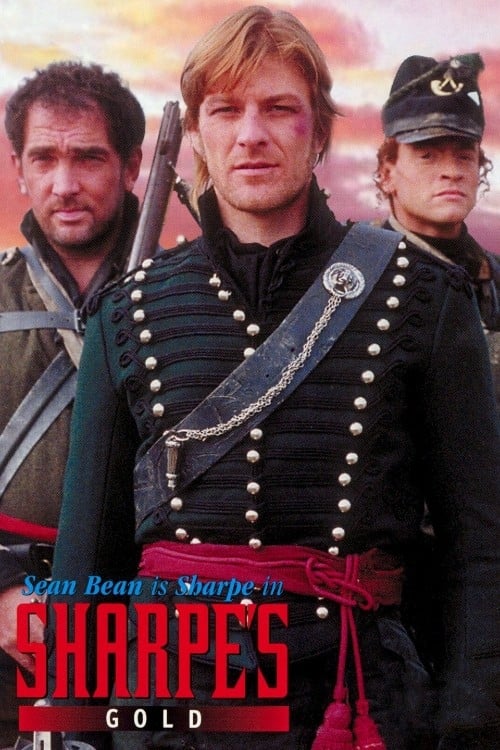
1995
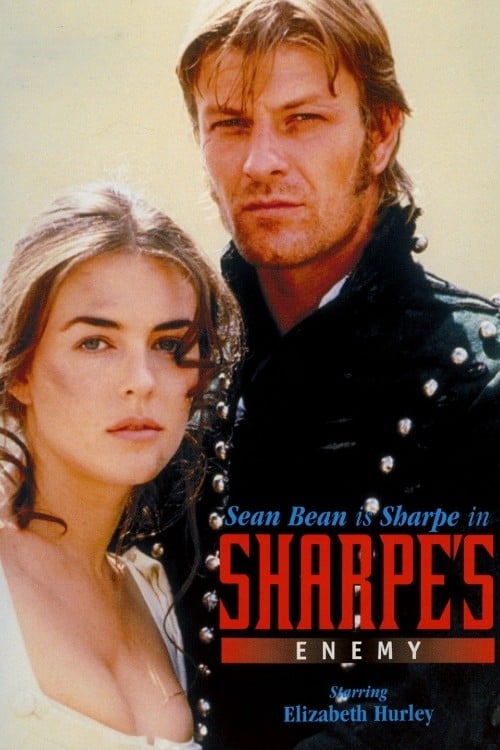
1994
No reviews yet. Be the first to share your thoughts on this movie!
Use the rating form above to leave a star rating and optional review.