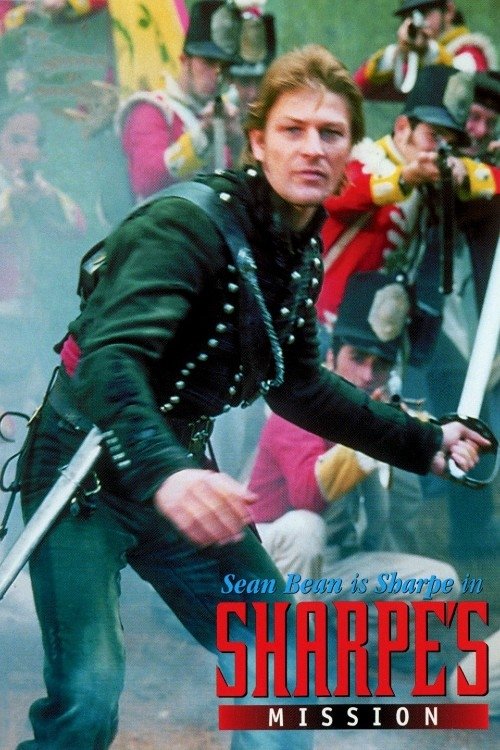
Sharpe's Mission
1996
No user ratings available yet
Representation score: 0.9 out of 10

Representation Score
Limited
1996
TV-14Director
Tom Clegg
Runtime
102 minutes
Average Rating
No ratings yetNew Showbiz Analysis
Sharpe's Regiment is a typical historical drama that prioritizes period accuracy over modern inclusive storytelling. The narrative is built around established hierarchies of gender, race, and class, offering limited representation of diverse identities. The film explores military duty and institutional corruption within the context of the Napoleonic era. It operates within a traditional framework that mirrors the documented social realities of the time. While the film offers a detailed look at class-based tensions, it does not aim to challenge historical norms or broaden its demographic scope through diverse casting.
Category Breakdown
The film follows the social norms of the early 19th century, where everyone is assumed to be straight and cisgender. There are no characters with non-traditional gender identities or same-sex relationships.
Male characters dominate leadership roles and have significant influence. Female characters are mostly seen in domestic or supporting roles, reflecting the gender power structure of the time.
The cast is very uniform, reflecting the historical makeup of the British Army in 1813. The film does not include diverse ethnic perspectives or actors from different backgrounds.
The story highlights the tension between working-class soldiers and aristocratic officials. It focuses on individual survival and honor within the existing class system.
The narrative emphasizes physical strength and military service. There are no characters with visible or invisible disabilities who play a significant role in the story.
Present on Screen
Limited or Absent
Official Synopsis
June, 1813. Major Richard Sharpe's men are in mortal danger - not from the French, but from the bureaucrats of Whitehall. Unless reinforcements can be brought from England, the depleted South Essex will be disbanded, their troops scattered throughout the army. Determined not to see his regiment die, Sharpe returns to England and uncovers a nest of well-bred, high-ranking traitors, any one of whom could utterly destroy his career with a word, or a stroke of the pen. Sharpe is forced into the most desperate gamble of his life - and not even the influence of the Price Regent may be enough to save him.
1996

1979

1993

1997
1997

2006
1997
1995
No reviews yet. Be the first to share your thoughts on this movie!
Use the rating form above to leave a star rating and optional review.