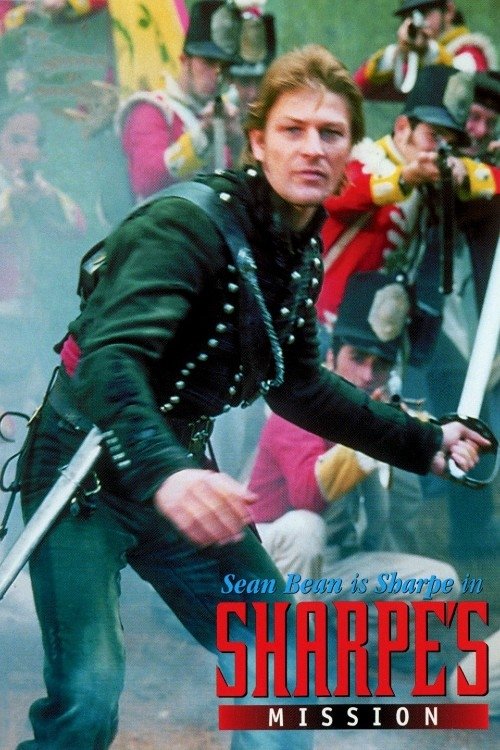
Sharpe's Mission
1996
No user ratings available yet
Representation score: 0.9 out of 10

Representation Score
Minimal
1997
TV-14Director
Tom Clegg
Runtime
102 minutes
Average Rating
No ratings yetNew Showbiz Analysis
Sharpe's Revenge is a conventional period drama that prioritizes historical realism over modern inclusive casting. The narrative operates within the rigid social constraints of the 19th century, emphasizing military duty and individual honor. The film reinforces traditional hierarchies, particularly around gender and race. It presents a homogeneous view of the British military, lacking diverse ethnic representation. Ultimately, the production adheres to standard explorations of Napoleonic-era survivalism. It does not seek to disrupt established social norms or introduce non-traditional identities.
Category Breakdown
The film does not include any characters with same-sex relationships or those who identify outside of traditional gender roles.
The story focuses on masculine military hierarchies and camaraderie. Women are portrayed in peripheral roles, with Jane Sharpe's actions framed as a domestic drama rather than a challenge to the status quo.
The cast is predominantly white and Anglo-European, reflecting the historical homogeneity of the Napoleonic era. There is no evidence of diverse ethnic representation among the characters.
The narrative emphasizes Western institutional values such as patriotism and military duty. It highlights the importance of national honor and the rule of law.
The plot centers on physical combat and prowess. There is no exploration of neurodivergence or chronic illness through the characters' stories.
Present on Screen
Limited or Absent
Official Synopsis
Toulouse, April 1814. The Peninsula war is finally over for Britain and its allies, but the action does not end here for Sharpe. He is set up once again by his long-time enemy, the French spy Ducos, and finds himself accused of stealing Napoleon’s priceless treasures. Having been abandoned by his beautiful wife Jane, who returns to England, and persecuted by both the British and French, Sharpe boldly goes in search of both truth and revenge, embarking on a perilous journey across post-war France with the help of his loyal friends Frederickson and Harper.
1996

1996

2006
1993
1997
1997
1994
1996
No reviews yet. Be the first to share your thoughts on this movie!
Use the rating form above to leave a star rating and optional review.