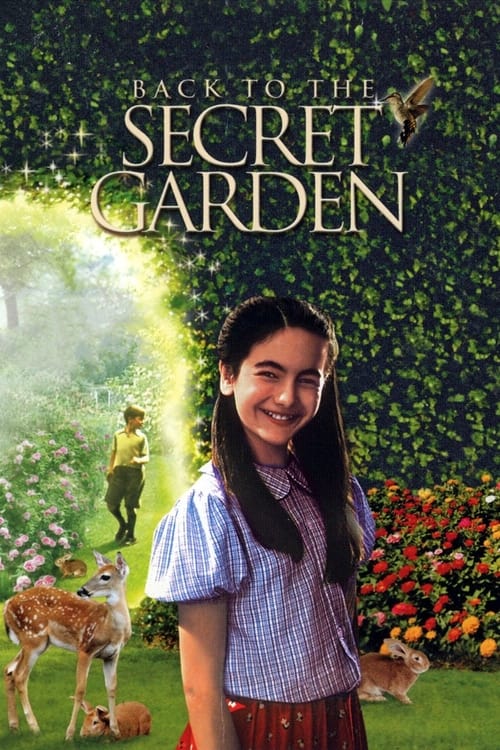
Back to the Secret Garden
2000
No user ratings available yet
Representation score: 2.8 out of 10
Representation Score
Limited
2000
GDirector
Scott Featherstone
Runtime
90 minutes
Average Rating
No ratings yetNew Showbiz Analysis
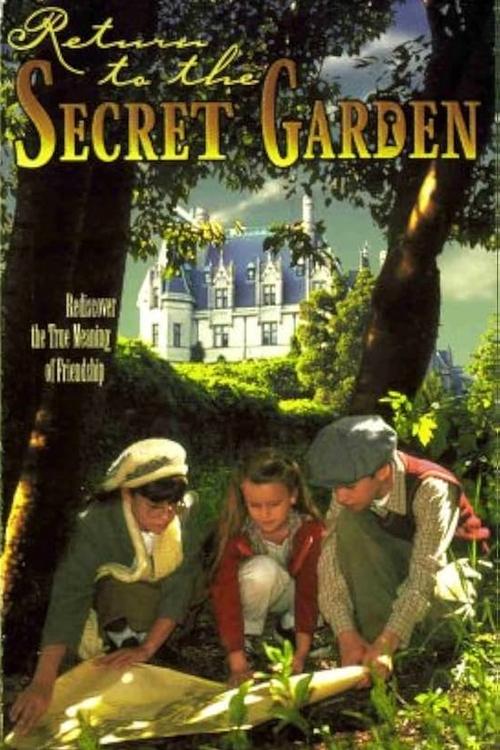
Return to the Secret Garden is a traditional family film that sticks to the social norms of the year 2000. The story focuses on conventional storytelling rather than integrating diverse identities or challenging existing power structures. The film uses typical genre clichés, focusing on themes of discovery and personal growth within a cast that looks similar. It does not show any clear representation of LGBTQ+ identities or racially diverse casts. While the presence of female leads provides some gendered viewpoints, the roles do not challenge existing gender hierarchies. The production stays true to its time, favoring stability over social change.
Category Breakdown
The film does not show any clear examples of non-binary genders or same-sex relationships. It follows traditional family storylines typical of early 2000s movies.
The movie features female actors like Mercedes Kastner and Michelle Horn, which suggests a focus on women’s viewpoints. However, these roles seem to fit traditional stereotypes of caring or leading characters.
The casting follows usual patterns from that time period. There is no indication of diverse racial casts or actors playing roles outside their traditional backgrounds.
The storyline probably highlights traditional values like family and community bonds. It seems to support common Western social norms without questioning them.
There is no clear evidence showing characters with physical disabilities or neurodivergent conditions taking active roles in the story.
Present on Screen
Limited or Absent
2000
2002
2017

1999

2013
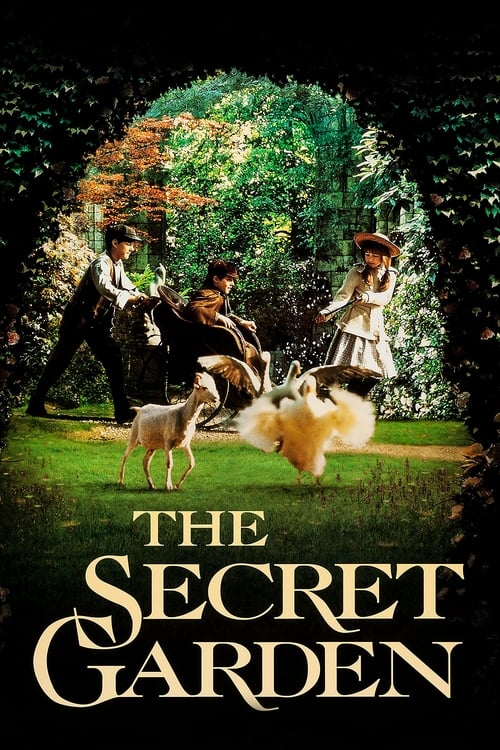
1993
1999

2003
No reviews yet. Be the first to share your thoughts on this movie!
Use the rating form above to leave a star rating and optional review.