
Back Door to Hell
1964
No user ratings available yet
Representation score: 2.8 out of 10
Representation Score
Minimal
1943
NRDirector
Lewis Seiler
Runtime
93 minutes
Average Rating
No ratings yetNew Showbiz Analysis
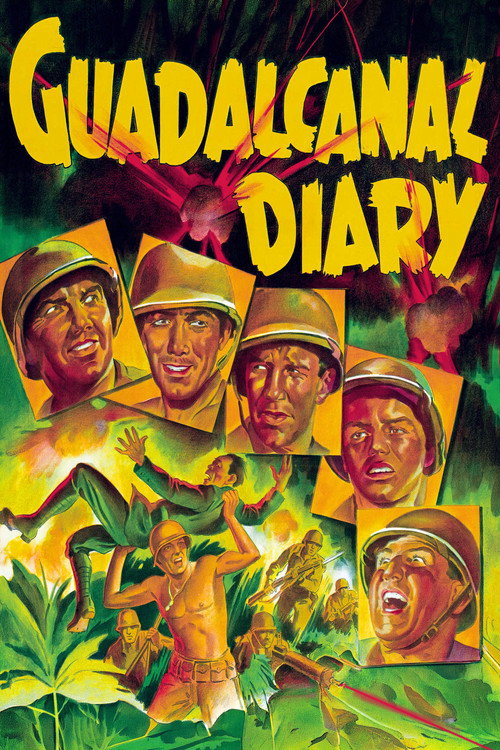
Guadalcanal Diary aims to strengthen national unity and uphold the social structures of its time. It emphasizes military discipline and patriotic duty, focusing on a homogeneous cast that aligns with the racial and gender norms of 1943. The film does not challenge these hierarchies but instead reinforces traditional masculinity and state authority.
Category Breakdown
The film focuses on traditional military brotherhood and does not depict any non-cisgender identities or same-sex relationships.
The narrative emphasizes male combatants and their traditional roles, with a strong focus on stoicism and toughness. Women have very little influence over the plot.
The cast is predominantly white, reflecting the demographics of the time without significant racial diversity among the main characters.
The film upholds Western values of patriotism and military discipline, positioning Allied forces as protectors of civilization.
Injuries are used to highlight the cost of war, but the film does not delve into the personal experiences of those with disabilities.
Present on Screen
Limited or Absent
Official Synopsis
Concentrating on the personal lives of those involved, a war correspondent takes us through the preparations, landing and initial campaign on Guadalcanal during WWII.
1964
1950
1945

1958

1942
1949
1944
1945
No reviews yet. Be the first to share your thoughts on this movie!
Use the rating form above to leave a star rating and optional review.