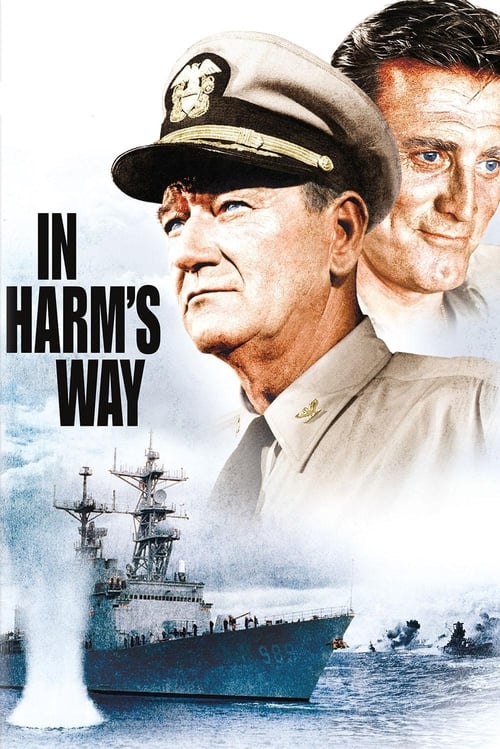
In Harm's Way
1965
No user ratings available yet
Representation score: 0.5 out of 10
Representation Score
Minimal
1945
ApprovedDirector
John Ford
Runtime
135 minutes
Average Rating
No ratings yetNew Showbiz Analysis
John Ford’s wartime drama serves as a period-specific artifact designed to boost national morale. It prioritizes traditional hierarchies, duty, and the mythos of American military competence over social complexity. The film reinforces mid-century norms by centering white male protagonists and relegating women and non-Western characters to the periphery. It validates the state and military apparatus rather than challenging existing power structures. Ultimately, the work lacks depth in reflecting multiple aspects of identity. It presents a singular, institutional perspective that upholds the geopolitical and social status quo of the 1940s.
Category Breakdown
The film focuses on male military brotherhood and does not depict any non-cisgender identities or same-sex relationships.
Male characters have the majority of narrative ability to act, while female characters play minor roles in the civilian setting.
The cast is mainly composed of white American military personnel. Filipino characters appear but serve as a backdrop to the American experience during a colonial era.
The story emphasizes Western values such as patriotism and military discipline. Sacrifice is framed as a duty to maintain the current social and state order.
There are no prominent depictions of characters with visible or invisible disabilities. No characters with disabilities are shown to drive the narrative or have significant influence.
Present on Screen
Limited or Absent
Official Synopsis
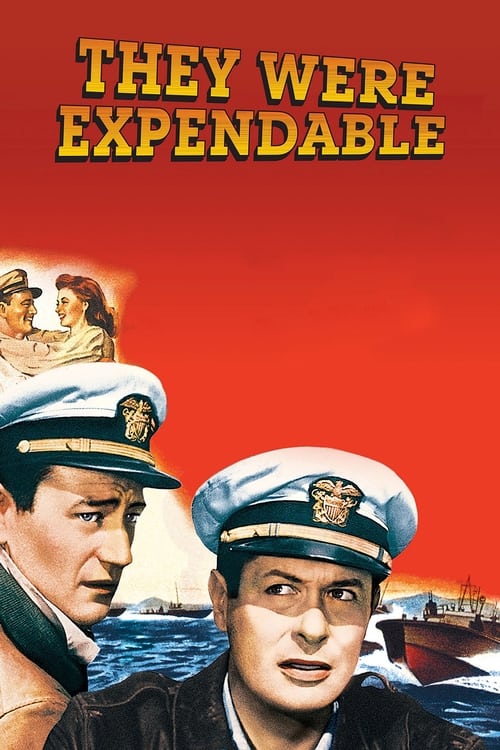
After a demonstration of new PT boats, Navy brass are still unconvinced of their viability in combat, leaving Lt. "Rusty" Ryan frustrated. After the attack on Pearl Harbor, however, Ryan and his buddy Lt. Brickley are told they can finally take their squadron into battle. The PT boats quickly prove their worth, successfully shooting down Japanese planes, relaying messages between islands, and picking off a multitude of enemy ships.
1965
1958
1968
1949
1944

1956
1953
1950
No reviews yet. Be the first to share your thoughts on this movie!
Use the rating form above to leave a star rating and optional review.