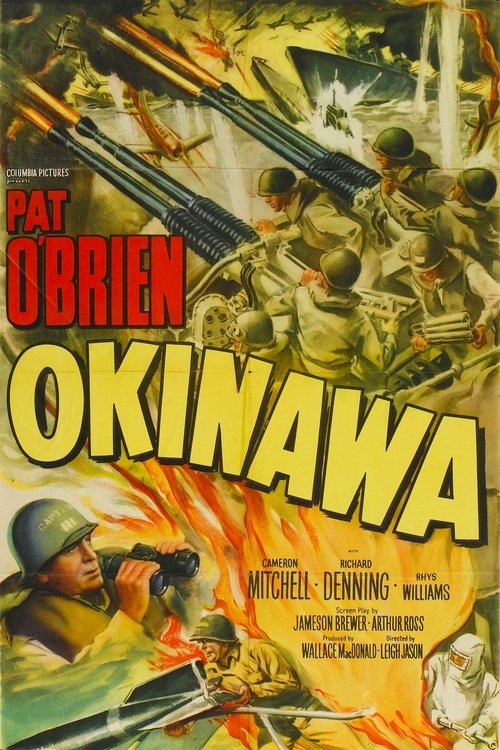
Okinawa
1952
No user ratings available yet
Representation score: 0.6 out of 10

Representation Score
Minimal
1942
NRDirector
John Farrow
Runtime
87 minutes
Average Rating
No ratings yetNew Showbiz Analysis
Wake Island is a quintessential wartime production designed to bolster national resolve. It relies on traditional hierarchies and a homogeneous cast, offering no subversion of 1940s social norms. The film's narrative architecture is built around masculine military bonds and patriotic duty, resulting in a lack of diversity across gender, race, and identity. Ultimately, the film functions as a tool for nationalistic cohesion, prioritizing military command structures and Western institutional preservation over nuanced character representation.
Category Breakdown
The film adheres to the social norms of 1942 and does not depict any non-binary gender identities. It focuses solely on masculine military brotherhood without exploring any queer identities.
Masculinity is the primary driver of leadership and ability to act in the film. Women are given secondary, peripheral roles and are not actively involved in the central conflict.
The cast is predominantly made up of actors from similar backgrounds, reflecting typical Hollywood practices of the time. Representation is framed through wartime antagonism rather than nuanced ethnic diversity.
The narrative celebrates patriotism and the preservation of Western institutions. It emphasizes military duty and nationalistic ideals through a clear moral distinction between opposing forces.
The film does not address visible or invisible disabilities. Characters are defined strictly by their military rank and functional abilities within the combat environment.
Present on Screen
Limited or Absent
Official Synopsis
In late 1941, with no hope of relief or re-supply, a small band of United States Marines tries to keep the Japanese Navy from capturing their island base.
1952
1945

1955
1968
1944
1941
2021
1943
No reviews yet. Be the first to share your thoughts on this movie!
Use the rating form above to leave a star rating and optional review.