Buffalo Gun
1961
No user ratings available yet
Representation score: 0.3 out of 10

Representation Score
Minimal
1950
PassedDirector
William Witney
Runtime
67 minutes
Average Rating
No ratings yetNew Showbiz Analysis
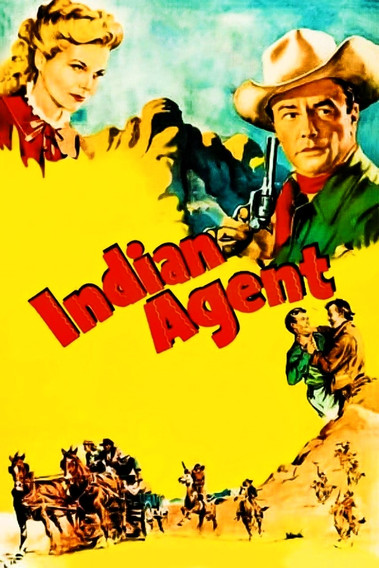
The film opens with a sun-drenched Canadian landscape, establishing a wilderness that is only tamed by the arrival of Roy Rogers. This 1950 B-Western sells a clear moral arithmetic: white competence and legal order are the antidotes to both natural chaos and industrial greed. Rogers, playing himself, is the unimpeachable standard against which all others are measured, including the Oseka tribe whose fishing rights are threatened by a cannery owner. The tribe is not the hero; they are the problem that requires a white savior to navigate the complexities of US-Canadian law. The camera loves Rogers and his horse, Trigger, framing them in heroic angles that emphasize their moral purity. In contrast, the female lead, Ann Keith, is the soft-focus prize, her value derived from her proximity to the hero and her role as a nurse who signals the need for his intervention. The comic relief, Splinters McGonagle, exists to highlight Rogers’ superiority through bumbling incompetence. The film’s argument is that the established social order, led by white men, is the only stable force in a world of conflicting interests. The ending settles this hierarchy by restoring the hero to his domestic and professional safety. The conflict is resolved not through Indigenous self-determination, but through Rogers’ legal maneuvering and the defeat of the greedy cannery owner. The last image is a pose of resolved partnership, reinforcing that the correct way to be is law-abiding, heterosexual, and white. The film does not challenge the frontier myth; it prints it, presenting the wilderness as a space that requires the hero’s presence to become safe and orderly.
Category Breakdown
The narrative relies entirely on the heterosexual pairing of Roy Rogers and Ann Keith. No same-sex intimacy, queer coding, or non-binary identities appear on screen. The romantic arc functions as the standard reward for the male hero.
Roy Rogers is the sole competence center, solving legal and physical conflicts while Ann Keith serves as the passive nurse and romantic prize. The male sidekick, Splinters McGonagle, is the comic relief, highlighting the hero’s superiority. Women are framed as objects of protection rather than agents of change.
The Oseka tribe is the plot’s catalyst, but their agency is secondary to the white protagonist’s intervention. Nogura, the tribal head, is a functional character whose fate drives the conflict, yet the resolution relies on Roy Rogers’ legal maneuvering. Indigenous perspectives are treated as a problem to be managed by white authority.
The film upholds traditional Western hierarchies, positioning law, order, and white merit as the ultimate goods. The Canadian wilderness is a space of danger tamed by the hero’s presence. The ending reinforces the stability of the established social order, with the hero restored to his domestic and professional station.
No characters with physical, sensory, or cognitive disabilities are depicted. The cast presents idealized, able-bodied performers, with no narrative focus on impairment, accessibility, or neurodiversity. The physical prowess of the hero is the norm, not a subject of analysis.
Present on Screen
Limited or Absent
Official Synopsis
An Indian agent comes to the rescue when a local tribe's fishing rights are threatened by a greedy cannery owner.
1961
1940
1948
1963
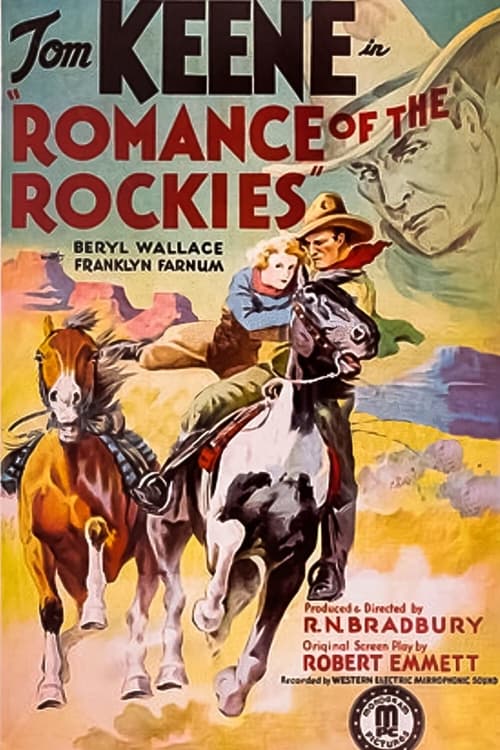
1937
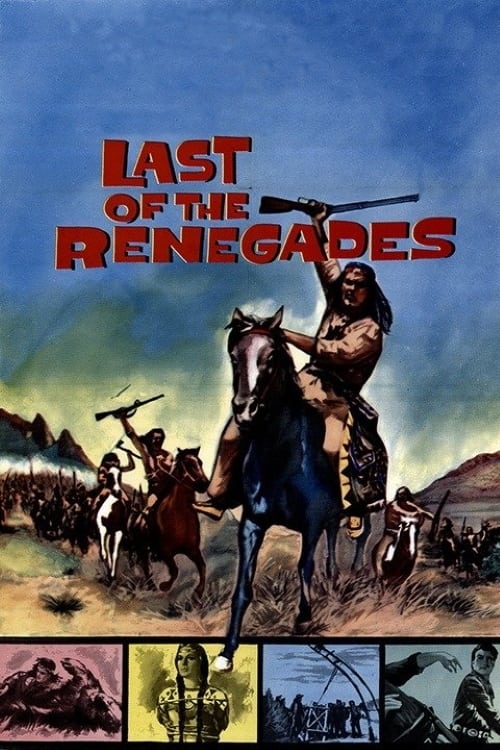
1964
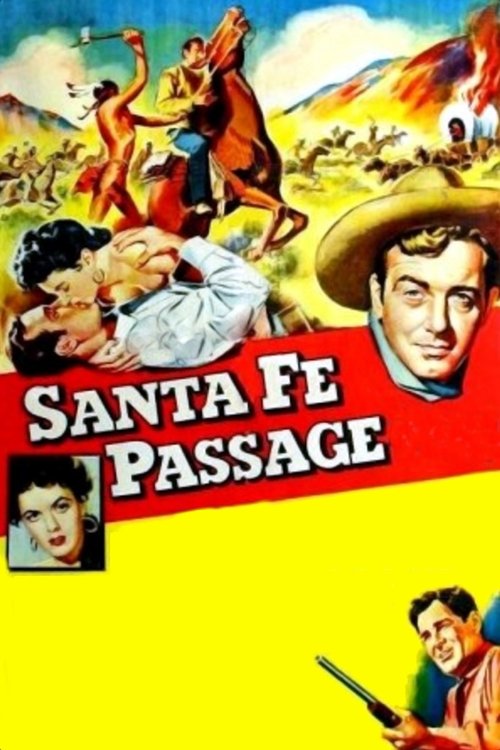
1955

1950
No reviews yet. Be the first to share your thoughts on this movie!
Use the rating form above to leave a star rating and optional review.