Blind
2007
No user ratings available yet
Representation score: 7.4 out of 10
Representation Score
Fair
1962
Director
Anker Sørensen
Runtime
103 minutes
Average Rating
No ratings yetNew Showbiz Analysis
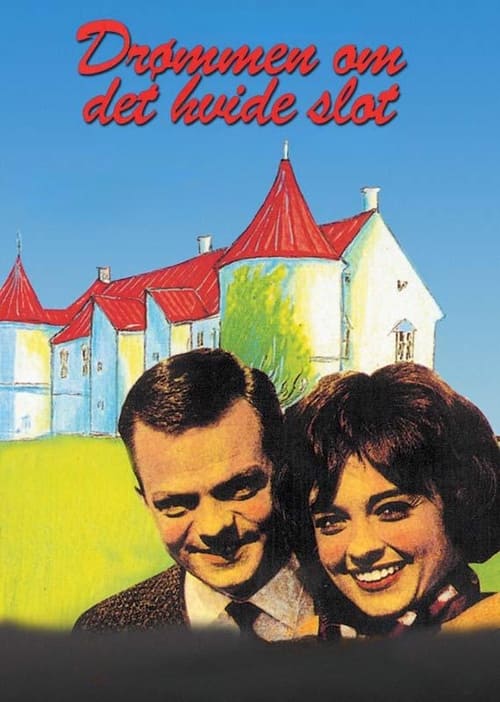
Drømmen om det hvide slot is a character-driven drama that excels in its portrayal of a protagonist with a visual impairment. By focusing on Susanne's sensory experiences, the film transcends simplistic storytelling to provide a nuanced sensory perspective. However, the film remains traditional in its depiction of social structures. It presents a homogeneous European society with no visible racial diversity or LGBTQ+ representation. The plot revolves around established class hierarchies and traditional romantic relationships. Overall, the film stands out for its sensitive handling of disability, even as it stays within the conventional boundaries of its era's storytelling.
Category Breakdown
The film focuses on a traditional romantic storyline between Susanne and the Count's sons. There are no characters or narratives that suggest non-straight relationships.
Susanne is a central character whose internal journey drives the emotional core of the story. She has depth but the plot revolves around traditional romantic relationships with men.
The setting implies a uniform European society with no indication of a diverse cast or narratives that address racial differences.
The story centers on established class structures, featuring a Count and a castle setting. It adheres to traditional Western storytelling without questioning these social norms.
The film highlights Susanne's blindness as a central theme, emphasizing her sensory and psychological experiences rather than relying on pity.
Present on Screen
Limited or Absent
Official Synopsis
Throughout his childhood "The White Castle " stood as something special for Susanne . The towering spiers, the swans in the moat , yes everything she can recall his mind's eye . But Susanne has never seen the castle - she are totally blind! One day she nevertheless castle completely into poå life . Count's two sons , Walter and Albert , discover the beautiful woman hiding behind the dark briller.Det is the start of a drama that will shake to its foundations - and do not let any of the implicedrede be unchanged. Unless they otherwise are alive ...
2007
1991

1948
1951
1986
2005
2003
1979
No reviews yet. Be the first to share your thoughts on this movie!
Use the rating form above to leave a star rating and optional review.