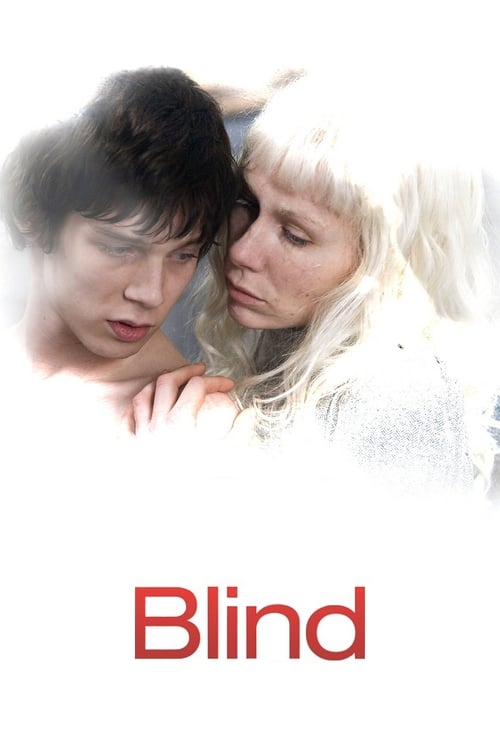
Blind
2007
No user ratings available yet
Representation score: 7.4 out of 10

Representation Score
Fair
1986
NRDirector
Paul Cox
Runtime
93 minutes
Average Rating
No ratings yetNew Showbiz Analysis
Paul Cox delivers a humanistic character study that finds its greatest strength in its sensitive portrayal of disability. By centering the narrative on characters navigating blindness and ocular injuries, the film treats sensory impairment as a fundamental part of human intimacy rather than a mere plot device. However, the film's scope is narrow. It adheres to the racially and culturally homogeneous standards typical of mid-80s regional Australian cinema, offering little in the way of diverse representation or systemic critique. Ultimately, while the film excels at exploring the nuances of individual isolation and physical limitation, it remains a localized, traditional drama with limited social breadth.
Category Breakdown
The film follows a traditional romantic structure that assumes everyone is straight or cisgender. There is no evidence of same-sex relationships or non-binary gender identities in the story.
The story centers on a woman's emotional journey after a traumatic event. While it challenges some age-based social hierarchies, it does not significantly change traditional gender roles.
Set in the Australian outback, the film features a small, homogeneous cast. It lacks a multi-ethnic ensemble or diverse racial representation.
The drama focuses on secular humanism and existential themes rather than religious morality. It avoids critiques of Western institutions or specific cultural promotion.
Sensory impairments are central to the characters' experiences. The film integrates blindness and ocular injuries into the core emotional development of the story.
Present on Screen
Limited or Absent
Official Synopsis
A woman who injured her eyes in car accident and a young blind man fall for each other.
2007
1991

1948
1966
1979
1987

1981

2002
No reviews yet. Be the first to share your thoughts on this movie!
Use the rating form above to leave a star rating and optional review.