Jenny Lamour
1947
No user ratings available yet
Representation score: 6.6 out of 10
Representation Score
Limited
1969
Director
Don Sharp
Runtime
95 minutes
Average Rating
No ratings yetNew Showbiz Analysis
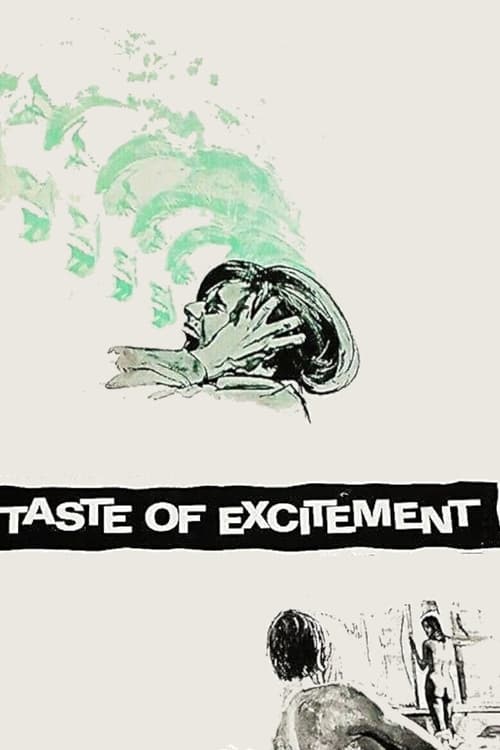
Taste of Excitement is a period suspense thriller that adheres strictly to the genre conventions of 1969. The narrative centers on a female protagonist facing gaslighting from male-dominated institutions, such as the police and medical profession. While the film provides a central role for a woman, it does so through a lens that diminishes her intellect and autonomy. The social landscape is homogeneous, focusing on Eurocentric characters and traditional Western power structures. Ultimately, the film functions as a conventional genre piece. It lacks diverse representation and relies on established social hierarchies to drive its mystery and resolution.
Category Breakdown
There are no visible LGBTQ+ characters or queer themes in the film. The central relationship between Jane and Paul follows a traditional heterosexual storyline.
Jane is the main character, but her ability to drive the story is frequently undermined by male authority figures. The plot often questions her sanity through the actions of men.
The film focuses on a Eurocentric cast set in the French Riviera. There is no indication of racial diversity or non-white characters.
The story revolves around Western mystery clichés and international intrigue. It relies on established institutions like Scotland Yard to resolve the plot, reflecting the social order of the time.
Mental instability is used primarily as a plot device to discredit the protagonist. This approach treats neurodivergence as a tool for suspense rather than a nuanced character trait.
Present on Screen
Limited or Absent
Official Synopsis
A man has been killed on the Dover/Boulogne car ferry. What is the connection between him and the attempts being made to kill Jane Kerrell, a young girl in her early twenties? As she speeds through the French countryside to the South of France, several attempts are made on her life as she is deliberately forced off the road by another car. But when she reports these attempts, the local Cap Ferrat Police Inspector and the sinister psychiatrist, Dr. Forla believe these attempts are in her imagination and Dr Forla, concludes that Jane is mentally disturbed. At her wits end Jane finds an ally in the young English painter, Paul Hedley who finally believes her life is in danger following an attempt to murder him. When Inspector Malling of Scotland Yard and Mr. Breese arrive in Cap Ferrat trying to uncover the connection between Jane and the murdered man on the ferry, this thrilling puzzle of international intrigue begins to unravel against the backdrop of the French Riviera.
1947
1955
1967

1970

1970
1967
1959

1968
No reviews yet. Be the first to share your thoughts on this movie!
Use the rating form above to leave a star rating and optional review.